Best blood pressure monitors for seniors
Upper arm, validated, correct cuff size. Those three things matter more than any feature on the box.
By Selena H. · Last checked October 13, 2026 · How we keep pages current
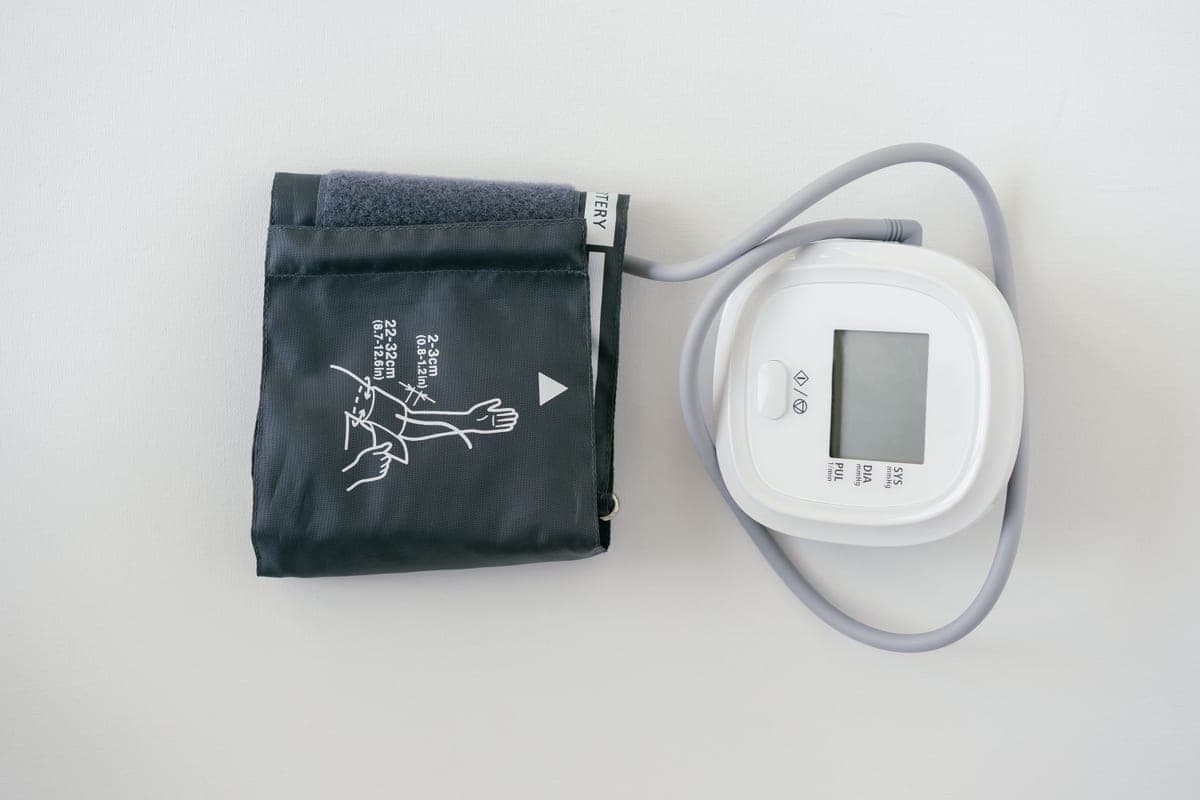
The American Heart Association recommends an automatic, cuff-style, upper-arm monitor for home use. That one sentence settles most of this page: not a wrist monitor, not a finger device, and not a watch.
After that, the thing that most often makes home readings wrong is cuff size. A cuff that is too small reads high, and a surprising number of people are using the cuff that came in the box without ever measuring their arm. Measure the upper arm circumference before buying and match it to the cuff range in the listing.
Everything else is convenience: a display large enough to read without glasses, a memory that stores readings for both people in the house, and buttons that work with arthritic fingers.
This is general information about products, not medical advice. Talk to your doctor or occupational therapist about your own situation.
Some links on this page go to Amazon. If you buy something, we may earn a small commission at no extra cost to you — it never changes which products we pick or the order they appear in. Full disclosure.
Quick picks
Ranked for how little strength, eyesight or patience they need — not for how much they cost.
| # | Product | Best for | Score | Price |
|---|---|---|---|---|
| 1 | Omron Platinum Blood Pressure Monitor (BP5450)Upper-arm, validated, with dual-user memory and an app that keeps a record for the doctor. | A validated monitor with phone records | 9.0 | Check price on Amazon #ad Prices change daily, so we send you to check today's. How we earn |
| 2 | Omron 3 Series Upper Arm Blood Pressure MonitorOne button, a clear display and a cuff that fits most arms — nothing else to go wrong. | A straightforward monitor at a sensible price | 8.8 | Check price on Amazon #ad Prices change daily, so we send you to check today's. How we earn |
| 3 | A&D Medical Multi-User Blood Pressure MonitorStores readings for several people with a large, plain display. | A household of several users | 8.9 | Check price on Amazon #ad Prices change daily, so we send you to check today's. How we earn |
| 4 | Upper-Arm Monitor with Extra-Large CuffThe right cuff is not an accessory — a cuff that is too small reads high, every time. | Larger arms | 8.9 | Check price on Amazon #ad Prices change daily, so we send you to check today's. How we earn |
Tap any row to jump to the full write-up. The price button goes to Amazon.
Pick by what’s hard
Most lists sort by price. That is not how this decision actually gets made, so here it is sorted by the thing that is getting in the way.
- Eyesight makes small screens useless
- A&D Medical Multi-User Blood Pressure Monitor — a large uncluttered display matters more than any connected feature. Try reading the numbers from arm's length in the listing photos.
- Two people monitoring
- Omron Platinum Blood Pressure Monitor (BP5450) — dual-user memory keeps the histories separate, which avoids a confusing record at the next appointment.
- Larger upper arm
- Upper-Arm Monitor with Extra-Large Cuff — measure the arm and match the cuff range. This is the most common cause of wrong readings at home.
- Wants the simplest possible device
- Omron 3 Series Upper Arm Blood Pressure Monitor — one button, no app, readings stored on the device. Fewer features means fewer ways to get stuck.
- Cannot manage a cuff one-handed
- ask the doctor or pharmacist — some cuffs are designed for one-handed application, and a pharmacy can often check readings in store.
How we picked
We don’t run a product lab. Every pick here is chosen by reading the things that actually tell you whether something works for weak hands, poor eyesight or shaky fingers: the manufacturer’s own specifications, the retailer listing, the measurements and weights, and what owners report in their reviews — especially the one-star ones. We read the complaints before the praise.
Prices change constantly, so we send you to Amazon to see today’s price rather than printing a number that goes stale. More about how we choose.
The picks in full
1. Best for a validated monitor with phone records
Omron Platinum Blood Pressure Monitor (BP5450)
Omron · 9.0/10 on our rubric
#ad Prices change daily, so we send you to check today's. How we earn
Upper-arm, validated, with dual-user memory and an app that keeps a record for the doctor.
Omron is the brand most clinicians recognize, and the Platinum sits at the point where accuracy, cuff comfort and a readable display all come together.
Dual-user memory matters in a household where two people are monitoring — it keeps the readings separate without anyone having to remember which was whose.
The app record is genuinely useful at appointments: a printed or on-screen list of readings over two weeks tells a doctor far more than a single measurement in a clinic.
Good
- Validated upper-arm design
- Dual-user memory, so two people can share it
- App record that can be shown at an appointment
Watch out for
- Check the cuff range against the arm measurement before buying
- The app is optional — do not let it put you off if nobody will use it
| Type | Automatic upper-arm |
|---|---|
| Users | Two, with separate memory |
| Record | On-device memory plus optional app |
| Cuff | Check the circumference range in the listing |
How it scores
- Accuracy confidence9.4
- Display readability8.8
- Cuff fitting9.0
- Ease of use8.6
2. Best for a straightforward monitor at a sensible price
Omron 3 Series Upper Arm Blood Pressure Monitor
Omron · 8.8/10 on our rubric
#ad Prices change daily, so we send you to check today's. How we earn
One button, a clear display and a cuff that fits most arms — nothing else to go wrong.
Not everyone wants an app. The 3 Series does one job: wrap the cuff, press the button, read the number, and it stores a history on the device itself.
For an older person monitoring alone, fewer features means fewer things to get stuck on, and that is a genuine advantage rather than a compromise.
Good
- Single-button operation
- Clear display
- Stores readings on the device, no phone needed
Watch out for
- Single user memory on some models
- Check the cuff range against the arm
| Type | Automatic upper-arm |
|---|---|
| Operation | One button |
| Memory | On device |
| Cuff | Standard range — verify the fit |
How it scores
- Accuracy confidence9.0
- Display readability8.4
- Cuff fitting8.4
- Ease of use9.4
3. Best for a household of several users
A&D Medical Multi-User Blood Pressure Monitor
A&D Medical · 8.9/10 on our rubric
#ad Prices change daily, so we send you to check today's. How we earn
Stores readings for several people with a large, plain display.
A&D's multi-user models keep separate histories for several people, which suits a couple monitoring together or a household where a visiting family member also checks.
The display is large and uncluttered — which, for someone whose eyesight is the limiting factor, matters as much as any clinical specification.
Good
- Separate memory for several users
- Large plain display
- Well regarded for accuracy
Watch out for
- Larger unit than single-user monitors
- Check cuff size options for larger arms
| Type | Automatic upper-arm |
|---|---|
| Users | Multiple, with separate memory |
| Display | Large |
| Cuff | Options available — check the range |
How it scores
- Accuracy confidence9.0
- Display readability9.2
- Cuff fitting8.6
- Ease of use8.8
4. Best for larger arms
Upper-Arm Monitor with Extra-Large Cuff
Omron · 8.9/10 on our rubric
#ad Prices change daily, so we send you to check today's. How we earn
The right cuff is not an accessory — a cuff that is too small reads high, every time.
If the upper arm measures beyond a standard cuff's range, a larger cuff is not an upgrade, it is a requirement. Readings from an undersized cuff are systematically too high, which can mean medication decisions made on bad numbers.
Measure around the bare upper arm at the midpoint between shoulder and elbow, then match that figure to the cuff range in the listing before buying anything.
Good
- Correct readings for larger arms
- Usually the same monitor with a different cuff
- Cuffs can often be bought separately
Watch out for
- Measure the arm first — do not guess
- Confirm the cuff is compatible with the monitor
| Type | Automatic upper-arm, large cuff |
|---|---|
| Fit | Match the listed circumference range |
| Why | Undersized cuffs read high |
| Buy | Cuff separately if the monitor is otherwise fine |
How it scores
- Accuracy confidence9.2
- Display readability8.4
- Cuff fitting9.8
- Ease of use8.6
How to measure properly
- Sit quietly for five minutes first. No coffee, no cigarettes and no exercise for half an hour before.
- Sit with your back supported, feet flat on the floor, legs uncrossed.
- Rest the arm on a table so the cuff is level with the heart.
- Put the cuff on bare skin, not over a sleeve, snug enough that one finger fits underneath.
- Stay still and do not talk during the measurement. Talking raises the reading measurably.
- Take two readings a minute apart and record both, at the same times each day.
What the numbers mean is a conversation with your doctor. Do not change or stop any medication based on home readings — take the record to an appointment instead.
Why not a wrist monitor?
Wrist monitors are easier to put on, which is why people like them, and they are more sensitive to position: the wrist must be held exactly at heart level or the reading is wrong. Upper-arm devices are less affected by how you hold yourself.
The American Heart Association's guidance is explicit about preferring an upper-arm cuff for home monitoring. If a wrist monitor is the only type someone can manage alone, use it — but take it to an appointment and have the readings compared against the clinic's own device.
Questions people ask
▸What is the best blood pressure monitor for seniors?
An automatic upper-arm cuff monitor with a large display and the correct cuff size for the arm. Validated devices from established brands are what clinicians generally recommend for home use.
▸Are wrist blood pressure monitors accurate?
They can be, but they are far more sensitive to arm position, so readings vary more. Guidance generally prefers an upper-arm cuff for home monitoring.
▸How do I know what cuff size I need?
Measure around the bare upper arm midway between shoulder and elbow, then match that number to the cuff circumference range in the listing. A cuff that is too small reads systematically high.
▸How often should blood pressure be checked at home?
Follow your doctor's instruction — often twice a day for a week before an appointment, at the same times. Record every reading and take the list with you rather than only the best or worst ones.
Sources
Read next
Guide
How to take blood pressure at home
The technique that makes home readings reliable, step by step.
Read the guide →

Best pill dispenser
Best automatic pill dispensers for seniors
Locked dispensers compared on capacity, alarms, family alerts and monthly costs.
Read the guide →
Head to head
Pill dispenser vs pill organizer
Which device fits which problem, and the pharmacy option that beats both.
Read the guide →

Best magnifier
Best magnifiers for low vision
Optical and electronic magnifiers compared for reading, labels and close work.
Read the guide →