The equipment that answers "what happens if she falls and nobody is there" — and the much cheaper equipment that stops the fall happening.
Most families arrive in this section after an incident — a fall, a long night, a phone that rang out. The instinct is to buy the most advertised medical alert system immediately. That is often the right category and almost never the right order, because the cheapest and most effective purchase in home safety is usually a grab bar, not a subscription.
Think of it in two layers. The first layer prevents the fall: grab bars where the hands reach for the wall, a shower chair so standing is not required, a raised toilet seat so getting up does not need a pull from the sink, a bed rail for the first step of the morning. None of it is clever and all of it works. The second layer is what happens if a fall occurs anyway: a button that is actually worn, a device that calls for help when nobody can press anything, and a way in for the responders.
Both layers have an honesty problem in this market. Automatic fall detection is sold as if it were certain; it is not, and the manufacturers' own terms say so. Monthly fees are quoted at a headline rate that excludes the protection plan, the lockbox and the fall-detection add-on. We write both plainly, because the decision is easier when the limits are stated.
Some links on this page go to Amazon. If you buy something, we may earn a small commission at no extra cost to you — it never changes which products we pick or the order they appear in. Full disclosure.
Our picks in home safety
Every roundup below names a top pick with a link to check today’s price on Amazon, so you can buy without reading the whole thing. The write-ups are there if you want the reasoning.
#ad Prices change daily, so we send you to check today's. How we earn
Prevention first: what to fix, and roughly in what order
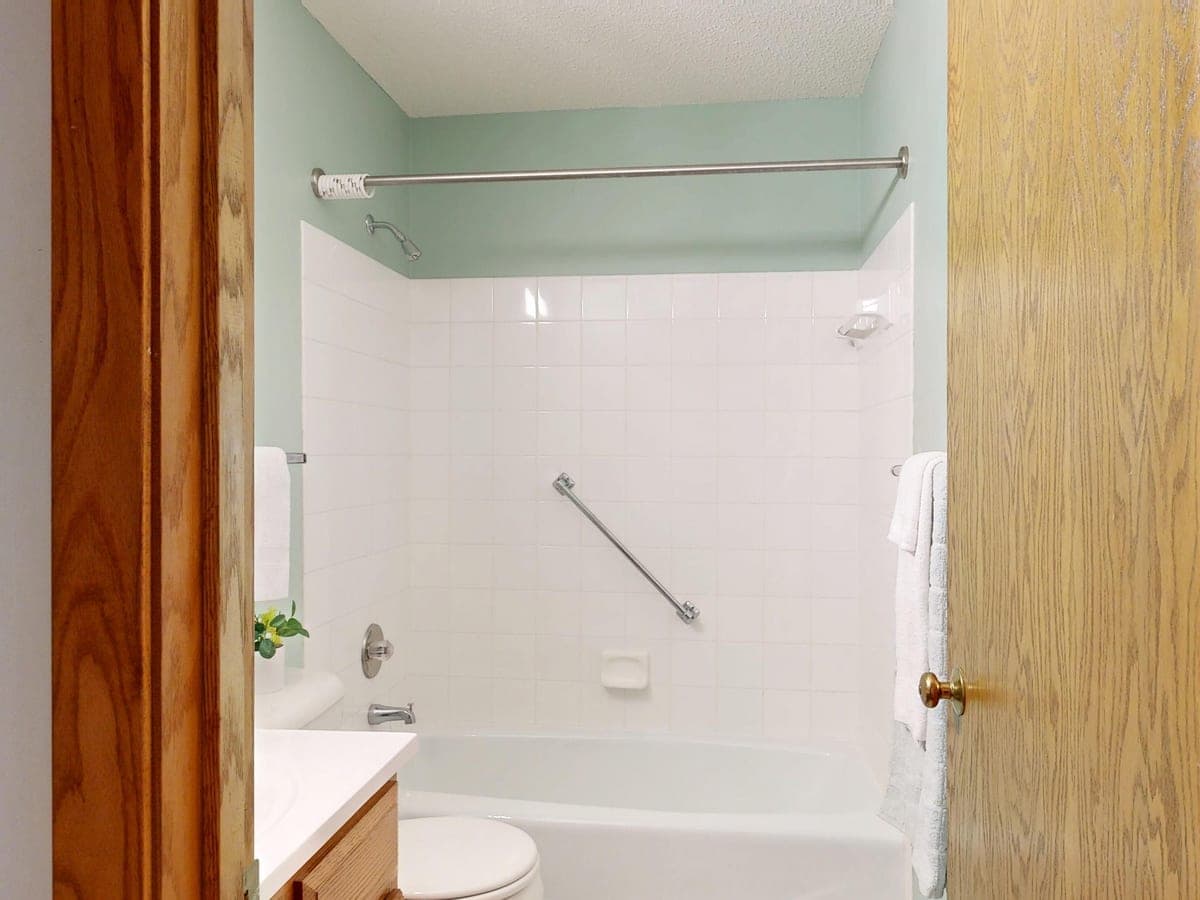
The bathroom. It is where most household falls happen, and it is the cheapest room to make safer. Grab bars at the shower entry and beside the toilet come first.
Standing up. A raised toilet seat and a chair with arms remove the two hardest transfers of the day.
The route to the bathroom at night. Lighting and a clear path beat any device.
The first step out of bed. A bed rail gives something solid to push against when balance is at its worst.
Then, and only then, the alert system — for the fall you did not manage to prevent.
Monthly fee or no monthly fee?
The honest trade-off between monitored and unmonitored alerts
Type
What you get
What you give up
Monitored (monthly fee)
A trained operator answers, can stay on the line, and will call family or 911
An ongoing bill, usually with add-ons that are not in the headline price
No monthly fee
The device dials family or 911 directly; no subscription at all
Whoever is on the list has to answer, and nobody is trained to handle it
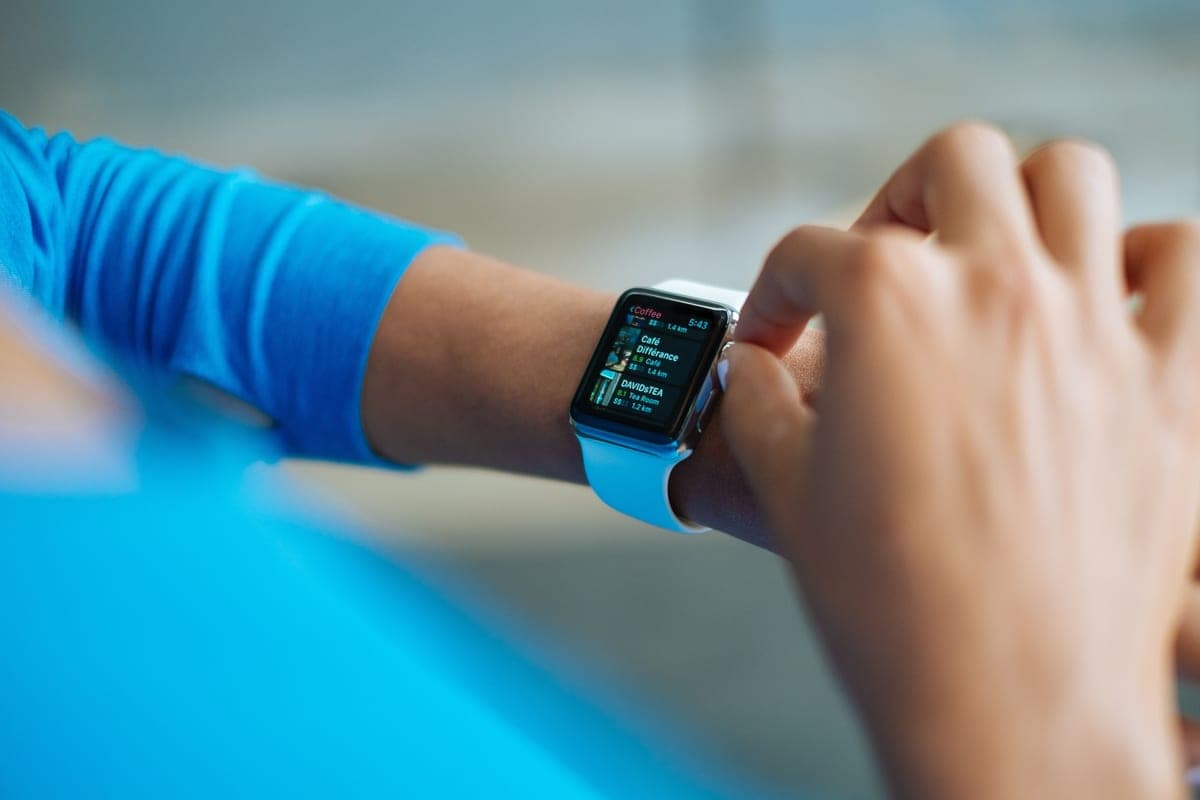
Phone or watch based
A device that is already worn, with fall detection built in
Needs charging, pairing and a user who will press through the prompts
Who actually pays for home safety equipment, and the phone calls that find out.
Read the guide →
Where to start
If there has just been a fall, start with the medical alert roundup — it separates the systems by where the person actually spends their time, because an in-home base unit is useless to someone who gardens, and a mobile unit is an unnecessary expense for someone who does not leave the house.
If the budget is tight, read the no-monthly-fee page before anything else. There is a real product category there, and for a household with family close by it can be the right answer rather than a compromise.
If no fall has happened yet, spend the money on the bathroom first. The grab bar and shower chair roundups are the two most useful pages in this section, and together they usually cost less than three months of monitoring.
Two other parts of the site overlap with this one: Mobility, Comfort & Travel (rollators, canes and lift chairs — the other half of staying steady), and Health, Fitness & Medication (balance work is the only thing that reduces fall risk at the source).
Questions people ask
▸What is the best medical alert system for seniors?
There is no single best one. The right choice depends on whether the person leaves the house, whether they will wear a pendant, and whether a family member can reliably answer a call. Our roundup splits the picks on exactly those three questions.
▸Does Medicare pay for a medical alert system?
Original Medicare does not cover personal emergency response systems. Some Medicare Advantage plans include them as a supplemental benefit, and some state Medicaid waiver programs do. Check your specific plan rather than a general claim.
▸Is automatic fall detection reliable?
It is helpful but not certain. Every manufacturer states that it may not detect all falls, and soft falls or slow slides are the ones most often missed. Treat it as a backup to a button you can press, never a replacement.
The easiest tech and everyday gear for life after 65.