How to take blood pressure at home
Most home readings are wrong for the same handful of reasons. All of them are easy to fix.
By Selena H. · Last checked October 13, 2026 · How we keep pages current
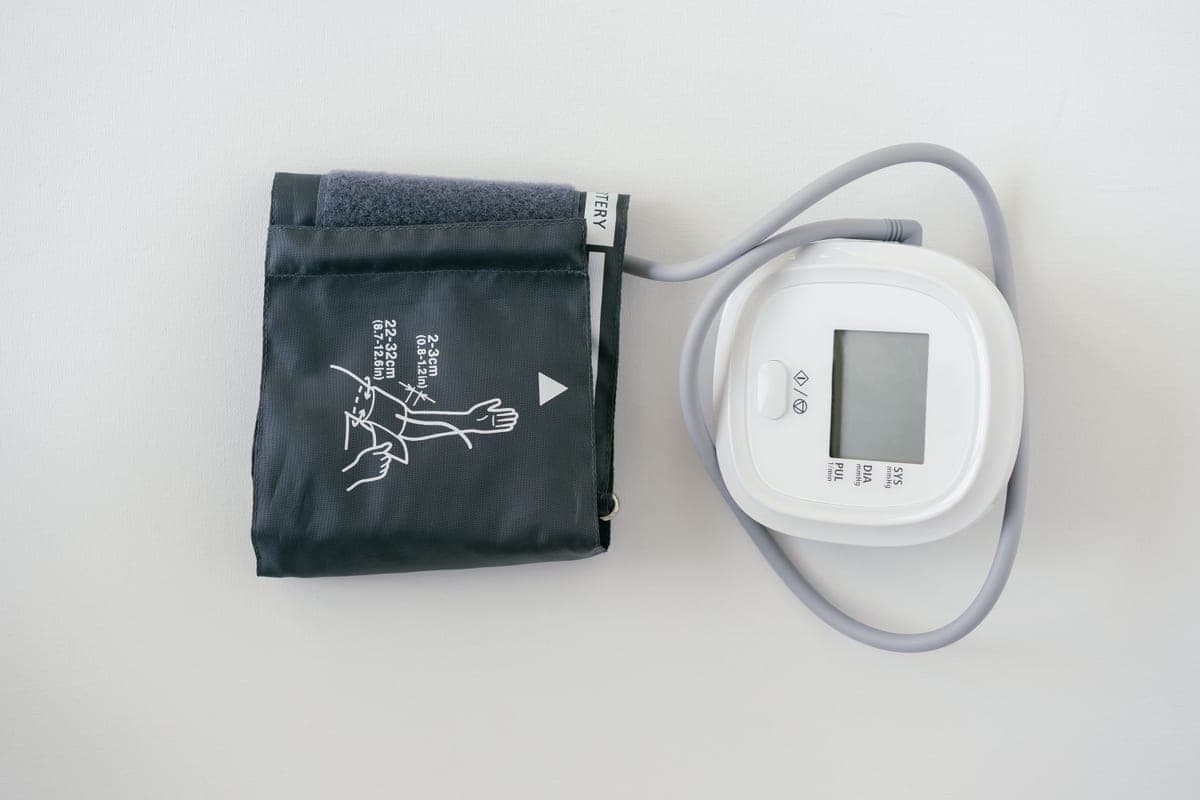
Sit quietly for five minutes, feet flat and back supported, with the cuff on a bare upper arm at heart level. Do not talk. Take two readings a minute apart and write both down. That is the whole technique, and following it properly changes readings by more than most people expect.
What the numbers mean is a conversation with your doctor. This page covers how to measure, not how to interpret, and nothing here is a reason to change or stop any medication.
This is general information about products, not medical advice. Talk to your doctor or occupational therapist about your own situation.
Some links on this page go to Amazon. If you buy something, we may earn a small commission at no extra cost to you — it never changes which products we pick or the order they appear in. Full disclosure.
The method, step by step
- No coffee, cigarettes or exercise for thirty minutes beforehand. Empty your bladder first — a full bladder raises readings.
- Sit quietly for five full minutes before measuring. This is the step most often skipped and it matters.
- Sit with your back supported against the chair, feet flat on the floor, legs uncrossed.
- Rest the arm on a table so the middle of the cuff is level with the heart. An arm hanging down reads high.
- Put the cuff on bare skin, about an inch above the elbow crease, snug enough to slide one finger underneath.
- Press start and stay still. Do not talk during the measurement — talking raises the reading measurably.
- Wait one minute and take a second reading. Record both, with the date and time.
- Measure at the same times each day, usually morning before medication and evening, unless the doctor says otherwise.
Quick picks
| # | Product | Best for | Score | Price |
|---|---|---|---|---|
| 1 | Omron 3 Series Upper Arm Blood Pressure MonitorOne button, a clear display, and readings stored on the device for the appointment. | A simple monitor that follows this method | 8.8 | Check price on Amazon #ad Prices change daily, so we send you to check today's. How we earn |
| 2 | Upper-Arm Monitor with Extra-Large CuffIf the arm is beyond a standard cuff's range, the larger cuff is a requirement, not an upgrade. | Larger arms, correct readings | 8.9 | Check price on Amazon #ad Prices change daily, so we send you to check today's. How we earn |
Tap any row to jump to the full write-up. The price button goes to Amazon.
How we picked
We don’t run a product lab. Every pick here is chosen by reading the things that actually tell you whether something works for weak hands, poor eyesight or shaky fingers: the manufacturer’s own specifications, the retailer listing, the measurements and weights, and what owners report in their reviews — especially the one-star ones. We read the complaints before the praise.
Prices change constantly, so we send you to Amazon to see today’s price rather than printing a number that goes stale. More about how we choose.
The picks in full
1. Best for a simple monitor that follows this method
Omron 3 Series Upper Arm Blood Pressure Monitor
Omron · 8.8/10 on our rubric
#ad Prices change daily, so we send you to check today's. How we earn
One button, a clear display, and readings stored on the device for the appointment.
Upper-arm, automatic, straightforward. Check the cuff range against the arm measurement before buying.
Good
- One-button operation
- Clear display
- Stores readings without a phone
Watch out for
- Verify the cuff fits the arm
- Single-user memory on some models
| Type | Automatic upper-arm |
|---|---|
| Operation | One button |
| Memory | On device |
| Cuff | Check the circumference range |
2. Best for larger arms, correct readings
Upper-Arm Monitor with Extra-Large Cuff
Omron · 8.9/10 on our rubric
#ad Prices change daily, so we send you to check today's. How we earn
If the arm is beyond a standard cuff's range, the larger cuff is a requirement, not an upgrade.
An undersized cuff reads high, which can mean medication decisions made on bad numbers. Measure first.
Good
- Accurate readings for larger arms
- Cuffs often sold separately
- Same monitor, right fit
Watch out for
- Measure the arm before ordering
- Confirm cuff compatibility
| Cuff | Extra large |
|---|---|
| Fit | Match listed circumference |
| Why | Small cuffs read high |
| Type | Upper-arm automatic |
The five things that make readings wrong
- A cuff that is too small, which reads systematically high. Measure the arm and match the cuff range.
- The arm below heart level, which also reads high. Rest it on a table, not on a lap.
- Talking during the measurement.
- Not sitting quietly first. Five minutes of stillness is part of the measurement, not a preliminary.
- A cuff over a sleeve. Bare skin only — a rolled-up sleeve bunching above the cuff is its own problem.
Keeping a record the doctor can use
Write down every reading, not only the alarming ones or the reassuring ones. A two weeks of readings at consistent times tells a doctor far more than a single measurement in a clinic, and selective recording makes the whole exercise useless.
Note anything unusual alongside: a bad night, a new medication, a cold. Context explains outliers that would otherwise prompt an unnecessary change.
Take the record to the appointment, along with the monitor itself if possible — the practice can check it against their own device, which is worth doing once when it is new.
Do not change or stop any medication on the basis of home readings. Single high readings are common and usually mean little; what matters is the pattern, and interpreting it is the doctor's job.
When to seek help urgently
Ask your doctor what numbers should prompt a call, because the threshold depends on the person. As a general rule, a very high reading accompanied by chest pain, breathlessness, severe headache, vision changes, weakness on one side or difficulty speaking is an emergency — call 911 rather than rechecking.
A single high reading with no symptoms is usually not an emergency. Rest for five minutes, measure again, and if it remains high, contact the doctor's office for advice.
Questions people ask
▸How do you take blood pressure correctly at home?
Sit quietly for five minutes, back supported and feet flat. Put the cuff on a bare upper arm resting at heart level. Stay silent during the measurement, take two readings a minute apart, and record both.
▸What time of day should blood pressure be measured?
Usually morning before medication and again in the evening, at the same times each day. Follow your doctor's instruction, and keep the timing consistent so readings can be compared.
▸Why is my home reading different from the doctor's?
Often cuff size, arm position or not resting first. Clinic readings can also be higher simply because you are in a clinic. Take your monitor to an appointment so it can be checked against theirs.
▸What blood pressure reading is an emergency?
Ask your doctor what threshold applies to you. A very high reading with chest pain, breathlessness, severe headache, vision changes or weakness on one side is an emergency — call 911 rather than measuring again.
Sources
Read next
Best BP monitor
Best blood pressure monitors for seniors
Upper-arm monitors compared on display size, cuff fit and ease of use.
Read the guide →

Best pill dispenser
Best automatic pill dispensers for seniors
Locked dispensers compared on capacity, alarms, family alerts and monthly costs.
Read the guide →

Guide
Chair exercises for seniors
A ten-movement seated routine with safety notes and how to progress it.
Read the guide →
Head to head
Pill dispenser vs pill organizer
Which device fits which problem, and the pharmacy option that beats both.
Read the guide →