Low-impact fitness and medication help that fits real life
Staying strong enough to keep doing things, and taking the right pills at the right time.
Two things in this section do more than everything else on the site combined to keep someone independent: moving regularly, and taking medication correctly. Neither needs a gym or a nurse. Both need equipment that is pleasant enough to use on a dull Tuesday in February, which is a much higher bar than most fitness marketing bothers with.
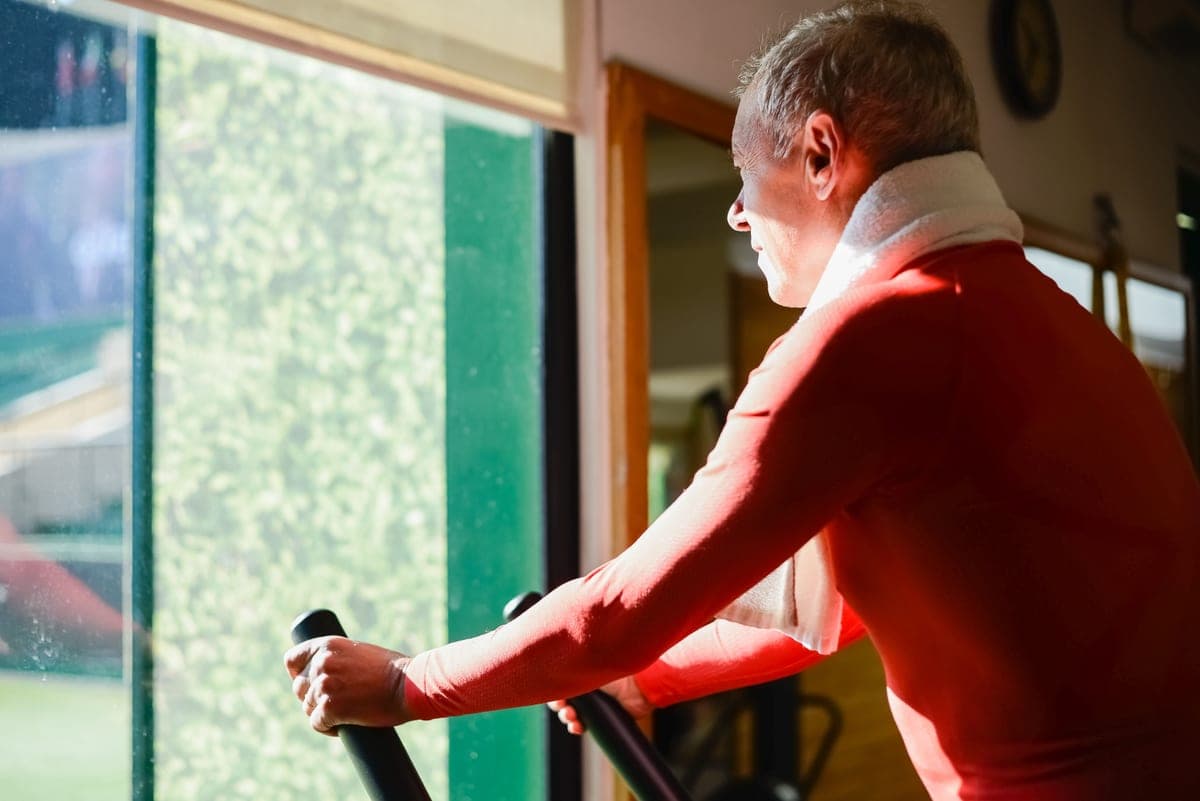
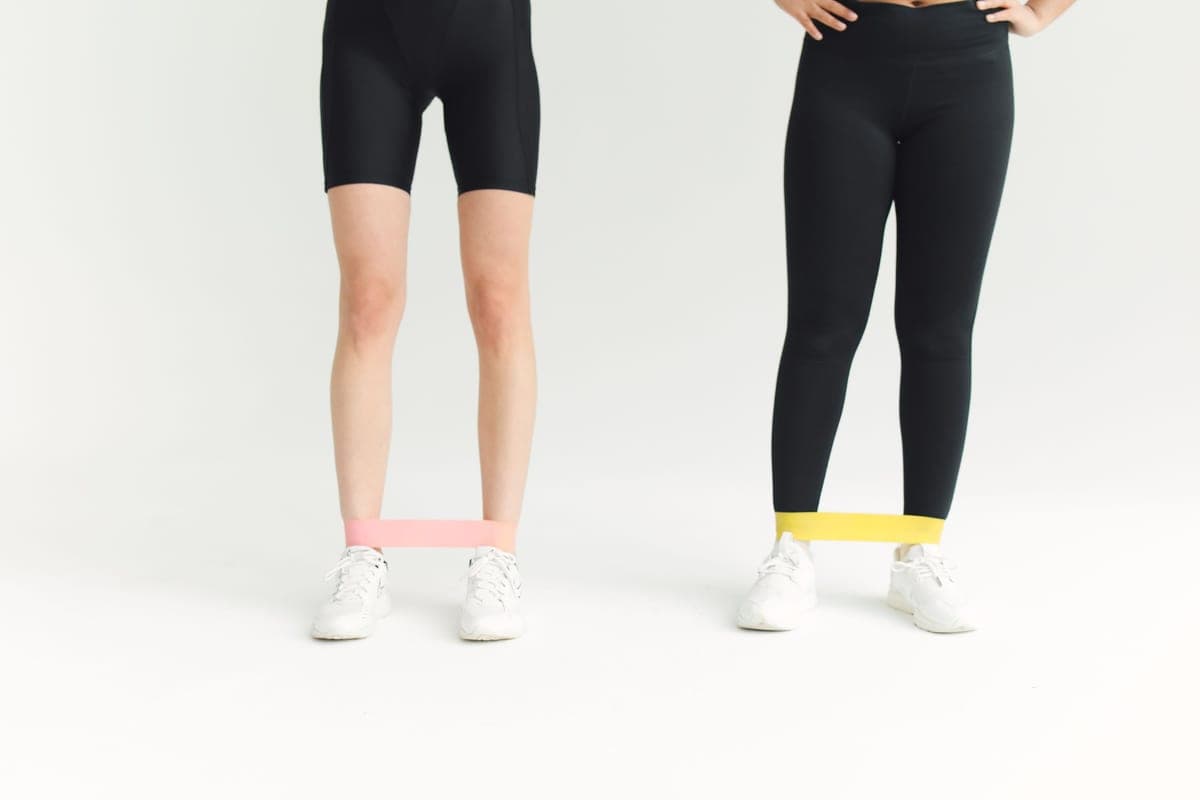
For movement, low impact is not a euphemism for easy. A recumbent bike supports the back and keeps the knees in a safe arc; a pedal exerciser puts the same motion under a dining chair for a tenth of the price and a hundredth of the space. Resistance bands cover the strength half, which is the half that preserves the ability to get out of a chair. Balance work is the only training that addresses fall risk at the source, and it needs no equipment at all to start.
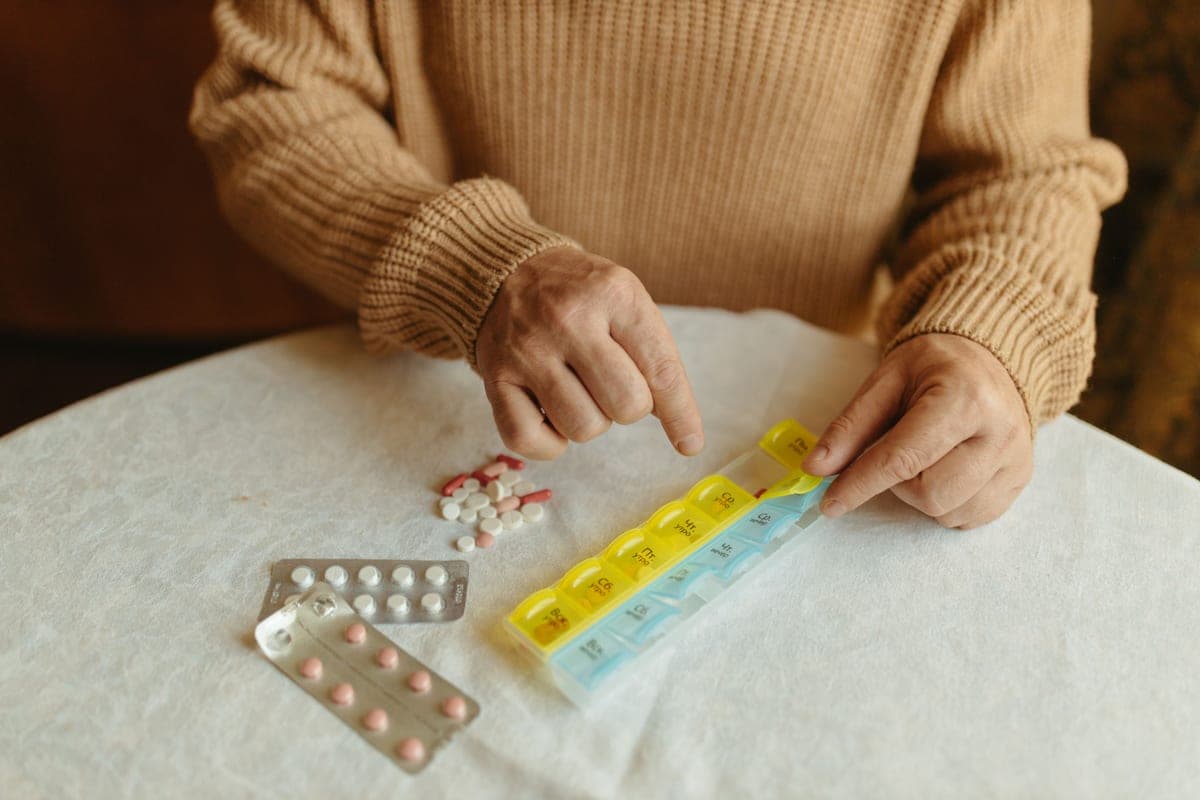
For medication, the honest framing is that pill organizers solve a sorting problem and dispensers solve a remembering problem. If the issue is "did I take Tuesday?", a weekly organizer answers it for a few dollars. If the issue is doses missed or doubled, a locked dispenser with an alarm is worth every penny — and worth checking for the one specification people forget, which is what it does when the power goes out.
Some links on this page go to Amazon. If you buy something, we may earn a small commission at no extra cost to you — it never changes which products we pick or the order they appear in. Full disclosure.
Our picks in health & fitness
Every roundup below names a top pick with a link to check today’s price on Amazon, so you can buy without reading the whole thing. The write-ups are there if you want the reasoning.
#ad Prices change daily, so we send you to check today's. How we earn
Start where the joints are, not where the marketing is
Matching the equipment to the body
Situation
Start with
Why
Sore knees, poor balance
Recumbent bike
Seat and backrest take the load; nothing to fall off
No space, low budget
Pedal exerciser
Goes under any chair and stores in a cupboard
Losing strength, not stamina
Resistance bands
Strength training is what preserves standing up
Unsteady on the feet
Balance work at a counter
Free, and the only thing that reduces fall risk directly
Pill organizer or automatic dispenser?
An organizer is a tray with lids. It tells you at a glance whether a dose has been taken, and it costs almost nothing. It will not remind anyone, and it does not stop a double dose.
An automatic dispenser locks the pills away and releases only the dose that is due, usually with an alarm and often with a phone alert to family if the dose is not collected. That is the right product when doses are genuinely being missed or repeated — and the specification to check is what happens in a power cut, because the good ones hold their schedule on battery.
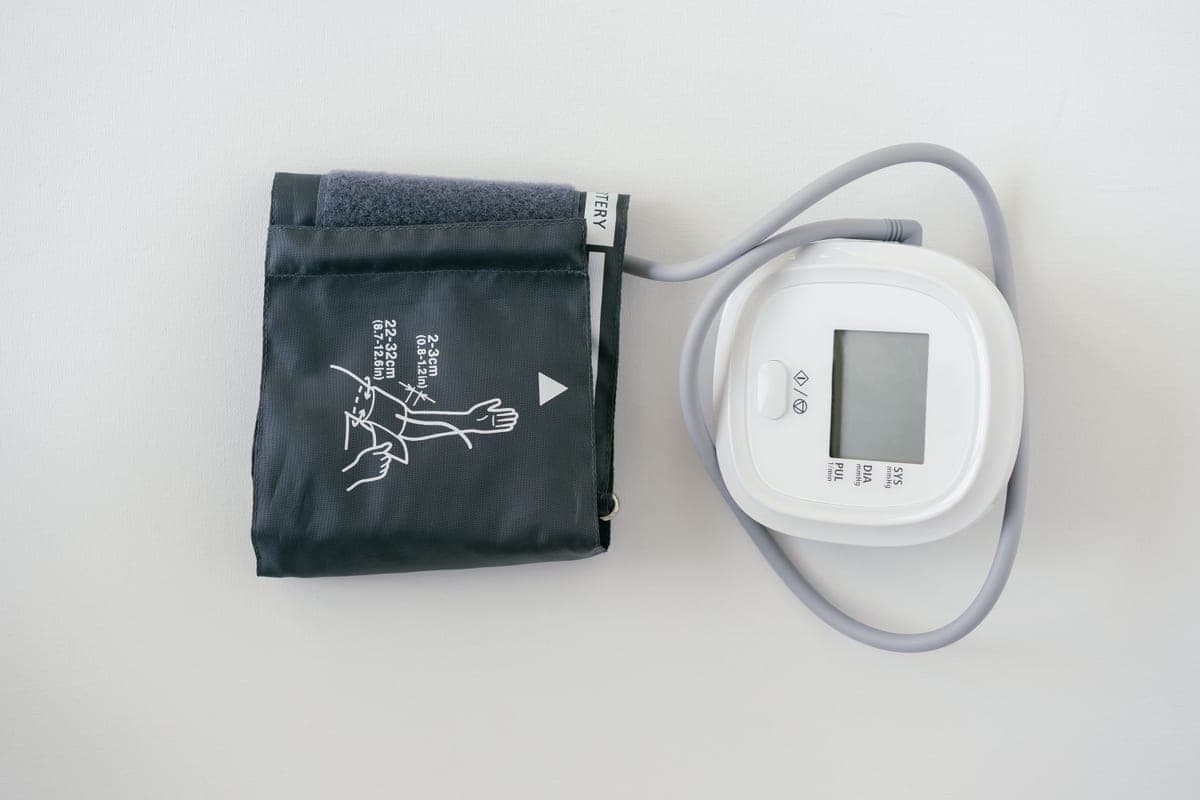
The technique that makes home readings reliable, step by step.
Read the guide →
Where to start
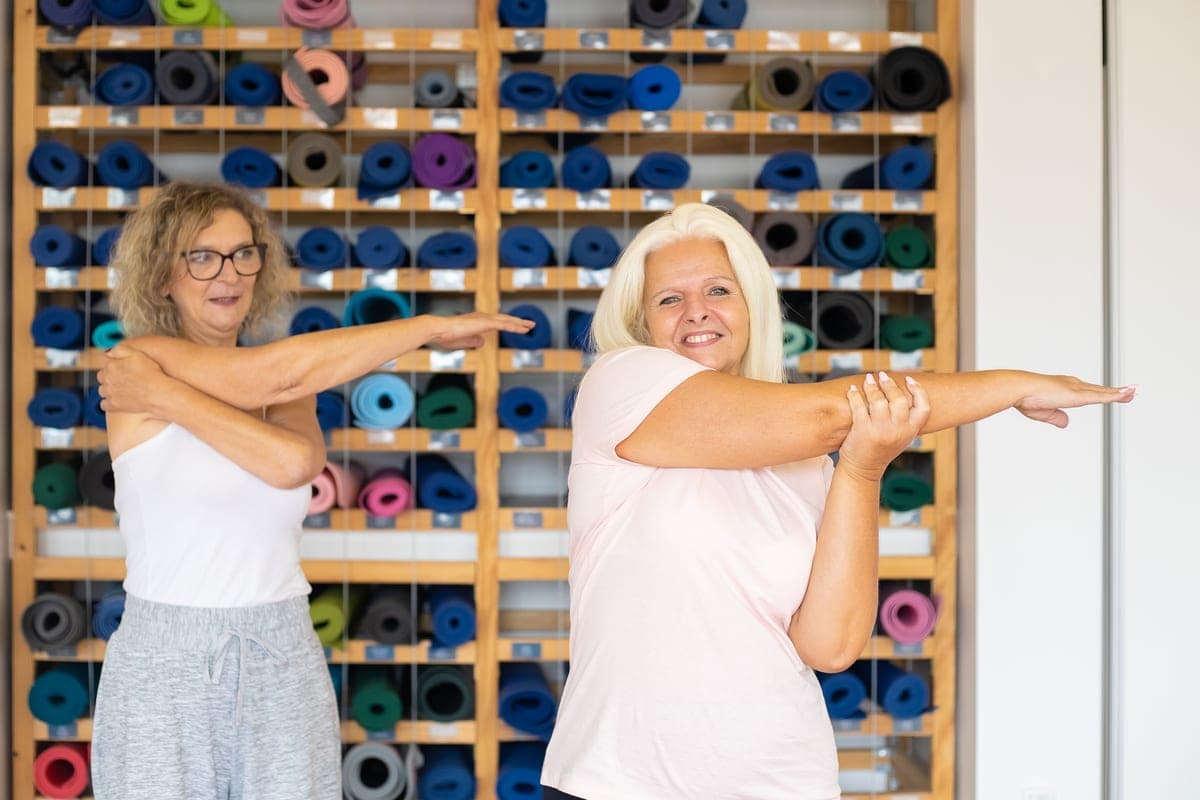
If someone is starting from nothing, start with chair exercises. They are free, they can be done while the kettle boils, and they build the baseline that makes everything else possible. Our guide covers a sequence that does not require getting down on the floor.
If you are buying equipment, read the recumbent bike versus pedal exerciser comparison before you spend. People routinely buy the bike when the pedal exerciser was the right answer for their space and their routine, and it ends up as a very expensive clothes rack.
If medication is the worry, read the pill dispenser roundup and the organizer comparison together. The question is not which product is better, it is which problem you have.
Two other parts of the site overlap with this one: Home Safety & Alerts (balance work and fall alerts are two halves of the same worry), and Mobility, Comfort & Travel (if walking any distance is already the limiting factor).
Questions people ask
▸Is there an automatic pill dispenser for seniors?
Yes. Several lock a week or a month of doses away and release only what is due, with an alarm. Some also text a family member when a dose is not taken. Check battery backup and how hard it is to refill before choosing one.
▸What exercise is safest for someone over 80?
Seated and supported movement: chair exercises, a recumbent bike, or a pedal exerciser. Add resistance bands for strength and daily balance practice at a counter. Check with a doctor first if there is heart, joint or blood pressure history.
▸How often should blood pressure be checked at home?
Follow your doctor's instruction — commonly once or twice a day for a week before an appointment, at the same times. Sit still for five minutes first, feet flat, arm supported at heart level. What the numbers mean is a conversation with your doctor.
The easiest tech and everyday gear for life after 65.