Home safety checklist for aging in place
Most of this costs under fifty dollars and takes an afternoon. Start with the bathroom.
By Selena H. · Last checked October 13, 2026 · How we keep pages current

Work through this in order. The bathroom first, because that is where falls cluster; then lighting and the night-time route; then the stairs; then everything else. Most of it is cheap, and the expensive items are the ones you can put off.
One thing to understand before starting: the majority of falls happen doing ordinary things in familiar rooms, not during anything dramatic. You are not looking for hazards a stranger would notice — you are looking at the bath, the rug by the bed, and the bulb nobody has replaced.
This is general information about products, not medical advice. Talk to your doctor or occupational therapist about your own situation.
Some links on this page go to Amazon. If you buy something, we may earn a small commission at no extra cost to you — it never changes which products we pick or the order they appear in. Full disclosure.
The bathroom, first
- Fit a grab bar at the shower or bath entry, screwed into studs. Not suction.
- Fit a second bar inside the shower, and one beside the toilet.
- Put a non-slip mat inside the shower and a second on the floor outside it.
- Add a shower chair if standing for ten minutes is tiring, and a handheld shower head to go with it.
- Raise the toilet seat, or add a frame with arms, if standing up is a struggle.
- Put a night light on the route from bed to bathroom — a motion-sensor one needs no switch.
Quick picks
| # | Product | Best for | Score | Price |
|---|---|---|---|---|
| 1 | 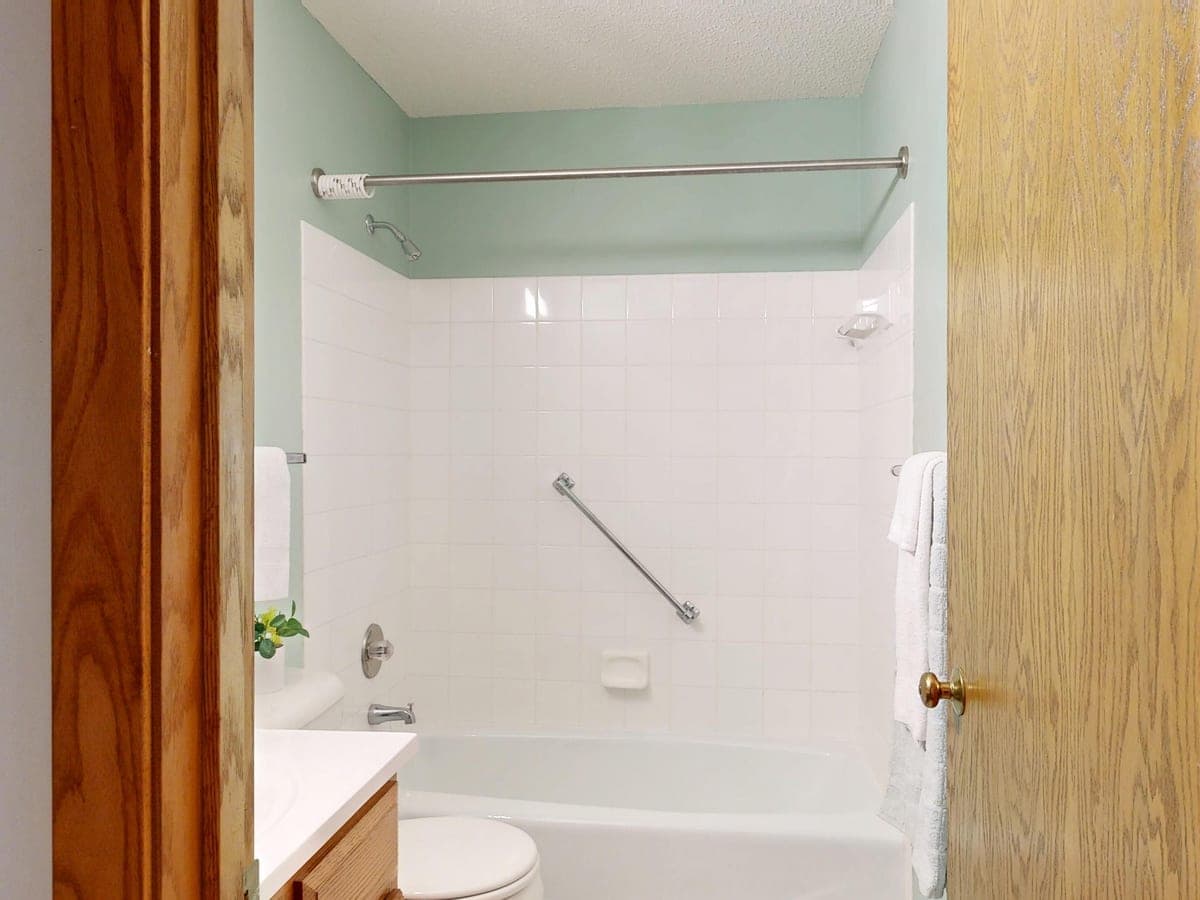 Moen Home Care Grab Bar (24 inch)Rated to 500 lb installed correctly, and the single most protective item on this list. | The first thing to fit | 9.0 | Check price on Amazon #ad Prices change daily, so we send you to check today's. How we earn |
| 2 | Drive Medical Shower Chair with Back and ArmsArms and a back, so washing does not depend on balance and stamina. | Removing the standing | 8.9 | Check price on Amazon #ad Prices change daily, so we send you to check today's. How we earn |
| 3 |  Daytech Wireless SOS Call Button SystemButtons in the bathroom and beside the bed, for when prevention has not worked. | Calling for help from the floor | 8.2 | Check price on Amazon #ad Prices change daily, so we send you to check today's. How we earn |
Tap any row to jump to the full write-up. The price button goes to Amazon.
How we picked
We don’t run a product lab. Every pick here is chosen by reading the things that actually tell you whether something works for weak hands, poor eyesight or shaky fingers: the manufacturer’s own specifications, the retailer listing, the measurements and weights, and what owners report in their reviews — especially the one-star ones. We read the complaints before the praise.
Prices change constantly, so we send you to Amazon to see today’s price rather than printing a number that goes stale. More about how we choose.
The picks in full
1. Best for the first thing to fit
Moen Home Care Grab Bar (24 inch)
Moen · 9.0/10 on our rubric
#ad Prices change daily, so we send you to check today's. How we earn
Rated to 500 lb installed correctly, and the single most protective item on this list.
Fit one at the shower entry and one beside the toilet, into studs. Nothing else on this page protects as much per dollar.
Good
- 500 lb rating installed correctly (manufacturer listing)
- Concealed screws
- Multiple lengths
Watch out for
- Must be fixed into studs or blocking
- Drilling tile needs care
| Weight rating | 500 lb installed correctly (manufacturer listing) |
|---|---|
| Fitting | Studs or blocking |
| Where | Shower entry, shower wall, beside the toilet |
| Lengths | 12 to 42 inches typically |
2. Best for removing the standing
Drive Medical Shower Chair with Back and Arms
Drive Medical · 8.9/10 on our rubric
#ad Prices change daily, so we send you to check today's. How we earn
Arms and a back, so washing does not depend on balance and stamina.
Pair it with a handheld shower head and the whole bathing routine becomes a seated task.
Good
- Arms make standing up easier
- Height adjustable
- Drainage seat
Watch out for
- Needs cubicle space
- Check the weight rating
| Back and arms | Both |
|---|---|
| Height | Adjustable |
| Seat | Drainage slots |
| Pair with | Handheld shower head |
3. Best for calling for help from the floor
Daytech Wireless SOS Call Button System
Daytech · 8.2/10 on our rubric
#ad Prices change daily, so we send you to check today's. How we earn
Buttons in the bathroom and beside the bed, for when prevention has not worked.
The cheapest way to make sure a fall is not also a long wait.
Good
- Cheap enough for several rooms
- No fee
- Loud receiver
Watch out for
- In-home only
- Needs to be reachable
| Type | Wall buttons and receiver |
|---|---|
| Fee | None |
| Fit in | Bathroom, bedside, stairs |
| Range | Within the home |
Lighting and the night route
- Motion-sensor night lights along the bedroom-to-bathroom route. The single highest-value item on this page after grab bars.
- A lamp within reach of the bed, or a touch lamp that does not need a small switch found in the dark.
- Brighter bulbs everywhere. Ageing eyes need considerably more light than younger ones to see the same edge.
- Light switches at both ends of every hallway and staircase.
- A flashlight in a known place, and a check that it works.
Floors and routes
- Remove loose rugs, or fix them down with double-sided carpet tape. Loose rugs are the classic trip hazard and people defend them fiercely.
- Clear the walking routes of cables, magazine racks, footstools and pet bowls.
- Check carpet edges and thresholds for lifting, and fix any that catch a toe.
- Keep the route from the bed to the bathroom completely clear — this is the route walked half asleep.
- Move everyday items to between hip and shoulder height so neither a stool nor a deep bend is needed.
Stairs
- Handrails on both sides, firmly fixed, running the full length including the top and bottom steps.
- Light switches at both top and bottom.
- Contrast tape on the edge of the first and last step, where misjudgement happens.
- Nothing stored on the stairs. Ever.
- If stairs have become genuinely difficult, consider whether the bedroom can move downstairs before considering a stairlift.
Kitchen and living areas
- Everyday crockery and pans between hip and shoulder height.
- A sturdy step stool with a handrail if a high shelf must be used — never a chair.
- A chair with arms, at a height where standing up is possible unaided.
- A kettle that tips or pours without lifting, if wrists are weak.
- A fire extinguisher and a working smoke alarm on every floor, tested monthly.
The things that are not about equipment
A medication review with a doctor or pharmacist. Several common medicines cause dizziness or low blood pressure on standing, and combinations do it more. This is one of the highest-value fall-prevention actions available and it costs nothing.
An eye test, with glasses updated. Bifocals are worth discussing specifically — they distort depth perception on stairs, and some people do better with a separate pair for walking.
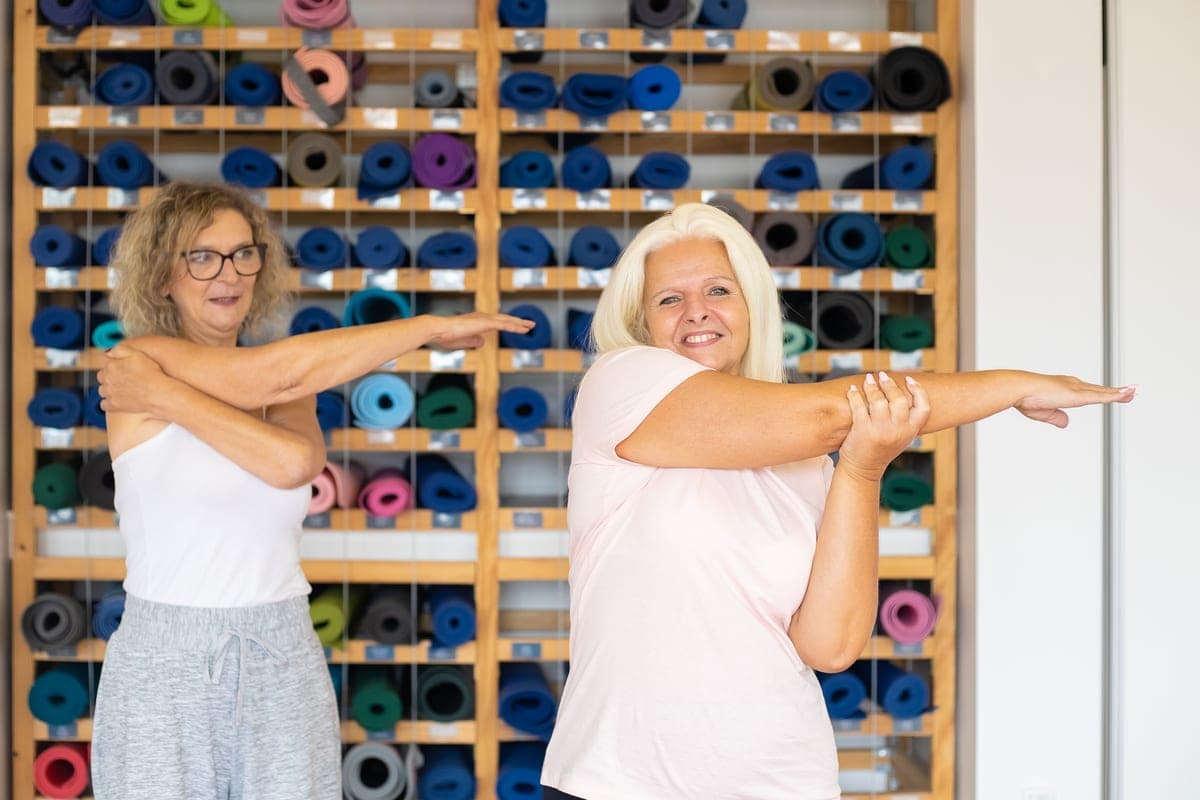
Strength and balance exercise, which is the only thing on this entire page that reduces fall risk at the source rather than managing its consequences.
Shoes. Slippers without backs are implicated in a lot of falls. A proper slipper with a back and a non-slip sole is a cheap, unglamorous improvement.
This is general information, not medical advice. If there has been a fall, ask the doctor for a falls assessment — most areas have a structured one.
Questions people ask
▸What is the most important home safety change for an older adult?
Grab bars in the bathroom, screwed into studs. Most household falls happen there, and a bar at the shower entry and beside the toilet costs little and protects a great deal.
▸Where do most falls at home happen?
In the bathroom and on the route to it, usually during ordinary activities in familiar rooms. The combination of wet surfaces, tight turns and low light is what makes that area disproportionately dangerous.
▸Do night lights really prevent falls?
They address one of the most common fall situations: getting up at night with poor night vision. Motion-sensor lights along the bedroom-to-bathroom route need no switch, so they work when someone is half asleep.
▸Should loose rugs be removed?
Yes, or fixed down with double-sided carpet tape. Loose rugs catch feet and slide underfoot. This is the recommendation people resist most and one of the cheapest to act on.
Sources
Read next
Best grab bar
Best grab bars for showers
Grab bars that take weight, plus an honest warning about suction models.
Read the guide →
Best shower chair
Best shower chairs for seniors
Shower chairs and transfer benches ranked for stability, height adjustment and fit.
Read the guide →
Guide
How to get free grab bars and safety equipment
Who actually pays for home safety equipment, and the phone calls that find out.
Read the guide →
Guide
Balance exercises to prevent falls
A four-week counter-based progression, and the non-exercise changes that matter as much.
Read the guide →
Best cane
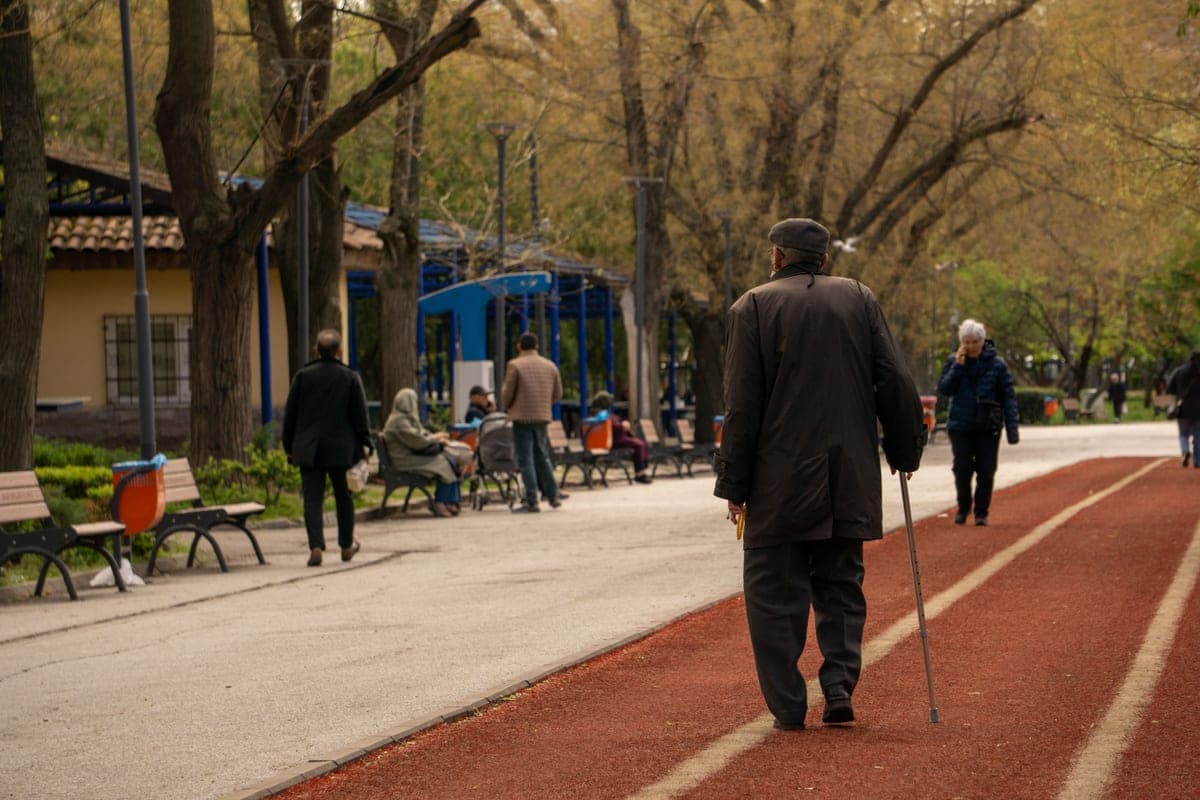
Best canes for balance
Folding, quad and offset canes compared, with the sizing rule that most people get wrong.
Read the guide →