Balance exercises to prevent falls
Thirty seconds at the kitchen counter, three times a day. That is a complete starting program.
By Selena H. · Last checked October 13, 2026 · How we keep pages current
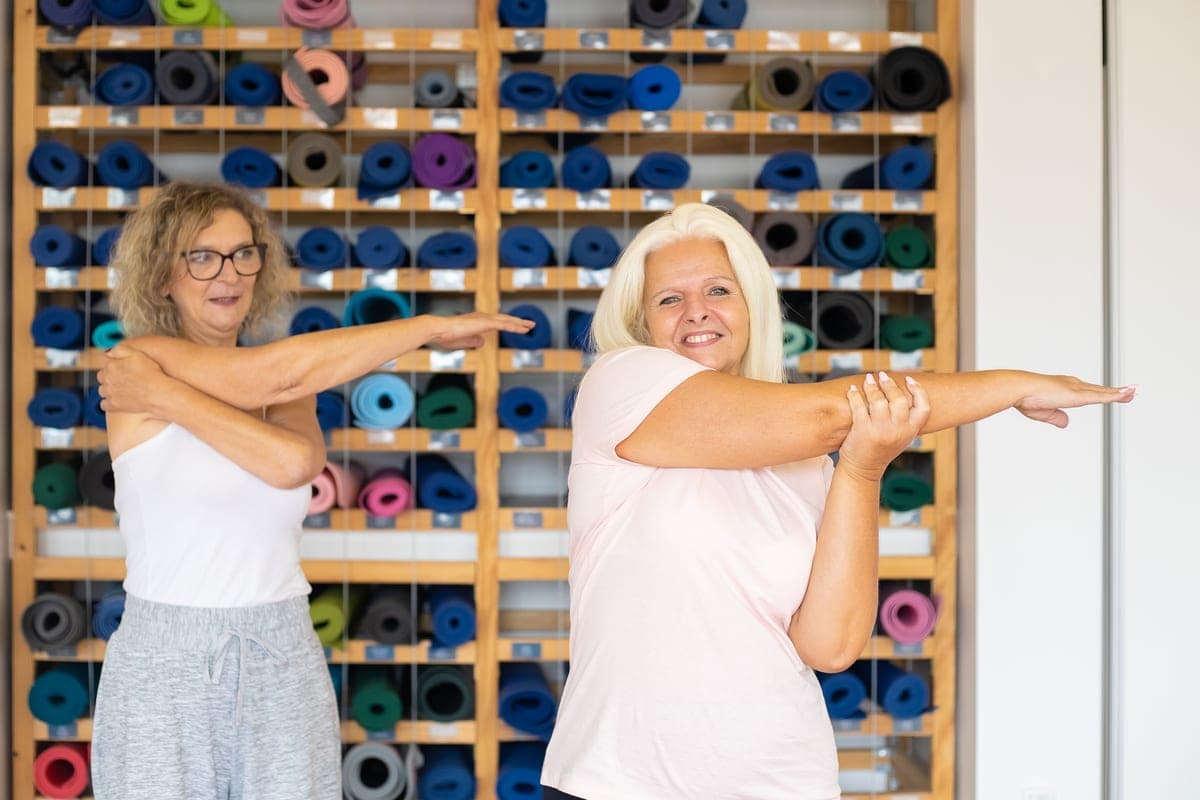
Stand at a kitchen counter with both hands resting on it and your feet together. Hold for thirty seconds. Do that three times a day. That is week one, and it is a genuine balance program rather than a warm-up for one.
Balance and strength training is the intervention with the strongest evidence behind it for reducing falls, which is why fall-prevention programs are built around it rather than around equipment. The progression below needs nothing but a counter.
This is general information about products, not medical advice. Talk to your doctor or occupational therapist about your own situation.
Some links on this page go to Amazon. If you buy something, we may earn a small commission at no extra cost to you — it never changes which products we pick or the order they appear in. Full disclosure.
The four-week progression
- Week 1: feet together at the counter, both hands resting on it, 30 seconds. Three times a day.
- Week 2: feet in a line, heel to toe, 30 seconds each way, both hands on the counter.
- Week 3: repeat week 2 with one hand on the counter instead of two.
- Week 4: stand on one leg, hand on the counter, 10 seconds each side. Build towards 30.
- Ongoing: reduce to a fingertip on the counter, then no hands, keeping the counter within arm's reach at all times.
- Add: walking heel to toe along a countertop edge, ten steps, hand trailing on the counter.
Quick picks
| # | Product | Best for | Score | Price |
|---|---|---|---|---|
| 1 | 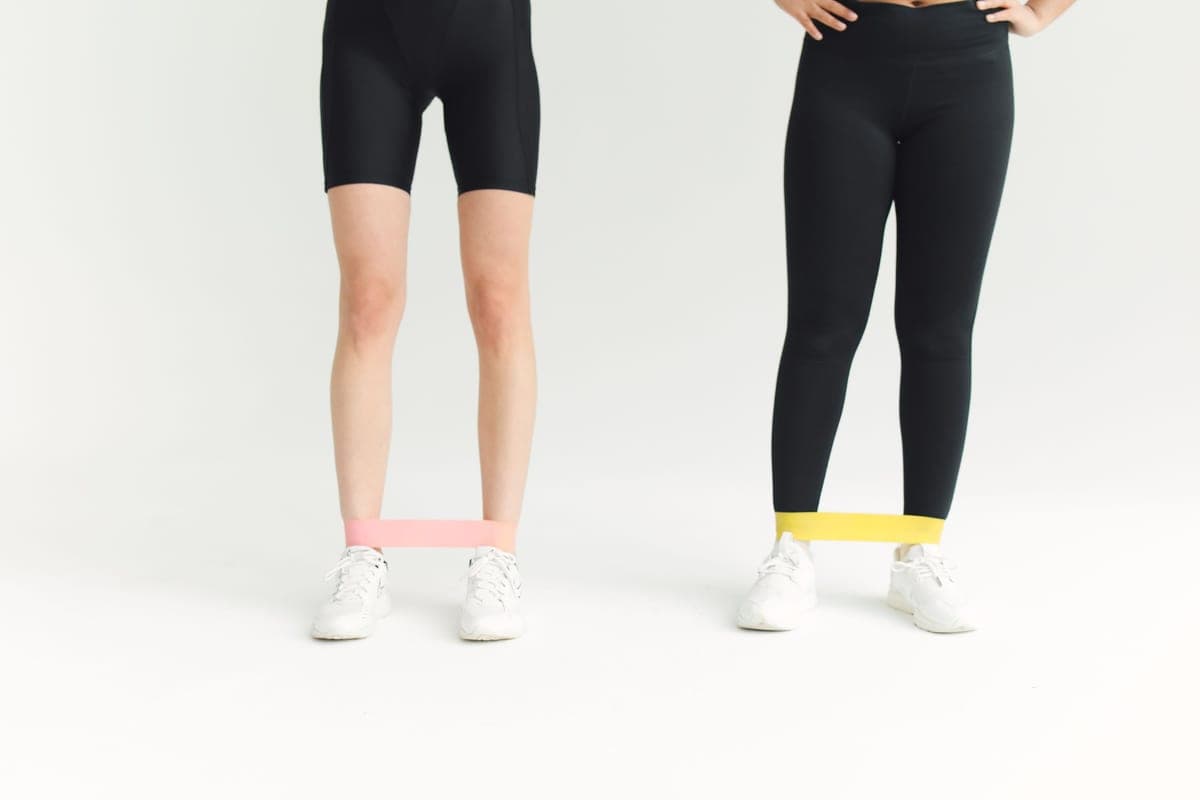 Fit Simplify Loop Resistance BandsThe hip strength that catches a sideways stumble, built sitting down with no fall risk. | Hip strength, seated | 9.0 | Check price on Amazon #ad Prices change daily, so we send you to check today's. How we earn |
| 2 | Balance Pad (foam)The next step once the counter progression has become easy — still beside the counter. | Week five and beyond | 8.9 | Check price on Amazon #ad Prices change daily, so we send you to check today's. How we earn |
Tap any row to jump to the full write-up. The price button goes to Amazon.
How we picked
We don’t run a product lab. Every pick here is chosen by reading the things that actually tell you whether something works for weak hands, poor eyesight or shaky fingers: the manufacturer’s own specifications, the retailer listing, the measurements and weights, and what owners report in their reviews — especially the one-star ones. We read the complaints before the praise.
Prices change constantly, so we send you to Amazon to see today’s price rather than printing a number that goes stale. More about how we choose.
The picks in full
1. Best for hip strength, seated
Fit Simplify Loop Resistance Bands
Fit Simplify · 9.0/10 on our rubric
#ad Prices change daily, so we send you to check today's. How we earn
The hip strength that catches a sideways stumble, built sitting down with no fall risk.
Band above the knees, push the knees apart, ten repetitions. One of the most useful exercises on this site.
Good
- No grip needed
- Can be done seated
- Five resistance levels
Watch out for
- Rubber can roll on bare skin
- Not balance practice in itself
| Type | Loop bands |
|---|---|
| Key exercise | Seated hip abduction |
| Levels | Five |
| Grip | None required |
2. Best for week five and beyond
Balance Pad (foam)
Yes4All · 8.9/10 on our rubric
#ad Prices change daily, so we send you to check today's. How we earn
The next step once the counter progression has become easy — still beside the counter.
Repeat the whole four-week progression standing on the pad, starting again with two hands.
Good
- Controlled increase in difficulty
- Light and easy to store
- Fits both feet
Watch out for
- Never use away from a counter
- A softer pad is harder, not easier
| Type | Foam balance pad |
|---|---|
| Use | Beside a counter only |
| Progression | Repeat the hand sequence |
| Storage | Under a bed |
The safety rules
- Always within arm's reach of a solid counter or a heavy chair back. Never a table on castors, never a chair that slides.
- Shoes with backs and non-slip soles. Not socks. Not backless slippers.
- Someone else in the house if balance is poor — present, not necessarily watching.
- Clear the floor of rugs, cables and pets before starting.
- Progress the hands, not the difficulty: two hands, one hand, fingertip, none.
- Stop if you feel dizzy, and tell a doctor — dizziness on standing is common, treatable, and a major cause of falls.
If there has been a fall in the past year, ask the doctor for a falls assessment first. Many areas run free structured classes such as A Matter of Balance, which work better than practicing alone.
The three things that matter as much as the exercises
A medication review. Several common medicines cause dizziness or a drop in blood pressure on standing, and combinations of them do it more. A pharmacist or doctor reviewing everything at once is one of the highest-value fall-prevention actions available, and it is free.
An eye test with glasses updated. Bifocals deserve specific discussion: they distort depth perception at exactly the angle you look at stairs, and some people do better with a separate pair for walking.
The home itself: lighting, loose rugs, a clear route to the bathroom at night, and grab bars where hands reach for walls. Our home safety checklist covers it room by room.
Why strength is half of balance
Balance is not only about sensing a wobble; it is about having the strength to correct it. The hip muscles that stop a sideways stumble and the thigh muscles that catch a forward lurch both need to be strong enough to act in time.
That is why a complete program pairs balance practice with strength work — a loop band around the thighs, and sit-to-stands from a dining chair. Both can be done seated or with support, and both can be started the same day as the counter work.
Questions people ask
▸What balance exercises prevent falls?
Standing with feet together, then heel to toe, then on one leg — all at a counter, progressing by reducing hand support rather than by increasing difficulty. Thirty seconds, three times a day, is a complete start.
▸How long does it take to improve balance?
Most people notice a difference within four to six weeks of daily practice. Improvement continues for months, and stops fairly quickly once practice stops — so it has to become routine rather than a course.
▸Is it safe to practice balance alone?
At a solid counter, in shoes, on a clear floor, yes for most people. If balance is poor or there has been a fall, have someone in the house and ask the doctor for a falls assessment first.
▸What else reduces falls?
A medication review, an eye test, better lighting, removing loose rugs, grab bars in the bathroom and proper footwear. The medication review in particular is free and frequently the single most effective change.
Sources
Read next
Best balance kit
Best balance trainers for seniors
Balance pads and discs compared, with the safety setup that makes home practice sensible.
Read the guide →
Guide
Chair exercises for seniors
A ten-movement seated routine with safety notes and how to progress it.
Read the guide →
Best strength kit
Best resistance bands for seniors
Band types compared, with handles, loops and tubes for different grip strength.
Read the guide →
Guide
Home safety checklist for aging in place
Room by room: what to fix first, what it costs, and what to stop worrying about.
Read the guide →

Best cane
Best canes for balance
Folding, quad and offset canes compared, with the sizing rule that most people get wrong.
Read the guide →