Best seated exercise equipment for seniors
Everything here works from a chair you already own. The question is whether it slides across the floor when you push on it.
By Selena H. · Last checked November 22, 2026 · How we keep pages current
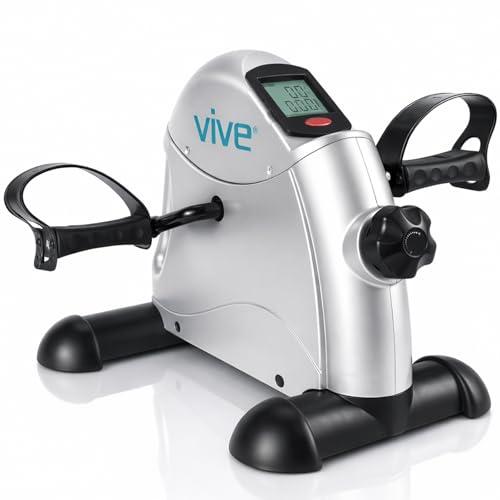
Buy the Vive Pedal Exerciser. It works on the floor for the legs and on a table for the arms, which is two pieces of equipment for the price of one, the tension adjusts with a knob rather than a dial you cannot reach, and it is the only thing here that can be used for both halves of the body from the same chair. The budget pick is the TheraBand Resistance Band Set - the cheapest real equipment on this page and the one a physical therapist is most likely to hand you.
This page exists because almost all exercise equipment assumes you can stand up, get down on a mat, or balance while you use it. For somebody who cannot safely do any of those - because of a bad knee, poor balance, breathlessness or simply a body that no longer gets off the floor - the useful list is short and nobody writes it down. Five things are below, every one of which works while seated in a chair you already own.
The one specification that decides this category is whether the equipment stays put. A pedal exerciser that walks across a wooden floor as you pedal, or a resistance band anchored to nothing, turns an exercise into a fight and then into a reason to stop. Weight and rubber feet matter more here than resistance figures do.
Prices come from the live Amazon listing for each product and carry the date they were checked. We have not used these ourselves; the descriptions come from the manufacturers published specifications and what owners report. If there has been a stroke, a heart event, a recent fracture or a joint replacement, what to do and what to avoid is a conversation with a physical therapist rather than something to take from a web page.
This is general information about products, not medical advice. Talk to your doctor or occupational therapist about your own situation.
Some links on this page go to Amazon. If you buy something, we may earn a small commission at no extra cost to you — it never changes which products we pick or the order they appear in. Full disclosure.
Which piece does which job
Start with less than you think. Ten minutes twice a day that happens beats thirty minutes once that does not.
Quick picks
Ranked for how little strength, eyesight or patience they need — not for how much they cost.
| # | Product | Best for | Score | Price |
|---|---|---|---|---|
| 1 | Vive Pedal ExerciserThe top pick: a compact pedal unit that works on the floor for legs and on a tabletop for arms, with tension set by a knob. | Legs on the floor and arms on a table, from one chair | 9.0 | $79.99 · View on Amazon #ad Price as of November 28, 2026. How we earn |
| 2 | 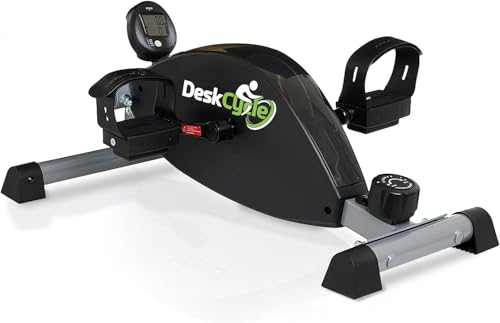 DeskCycle 2 Under-Desk Pedal ExerciserThe pedal exerciser that stays where you put it: heavier, quieter, magnetic resistance and a low enough profile to go under a table. | A heavier unit that does not move, and a low pedal height | 8.8 | $159.99 · View on Amazon #ad Price as of November 28, 2026. How we earn |
| 3 | 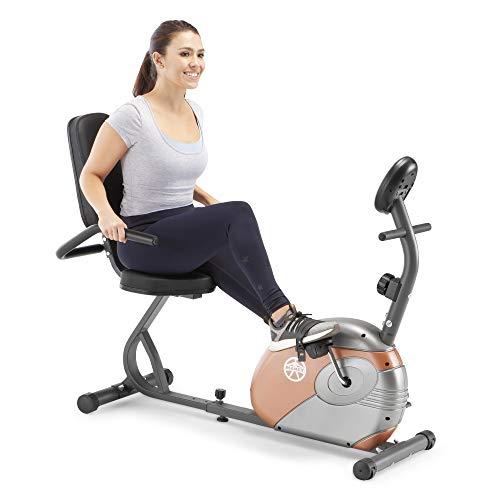 Marcy Recumbent Exercise Bike ME-709The seated bike for a bad back: a step-through frame, a padded seat with a backrest, and eight resistance levels on a dial. | Pedaling with a backrest, for a sore lower back | 8.5 | $151.99 · View on Amazon$199.99(24% off) #ad Price as of November 28, 2026. How we earn |
| 4 | 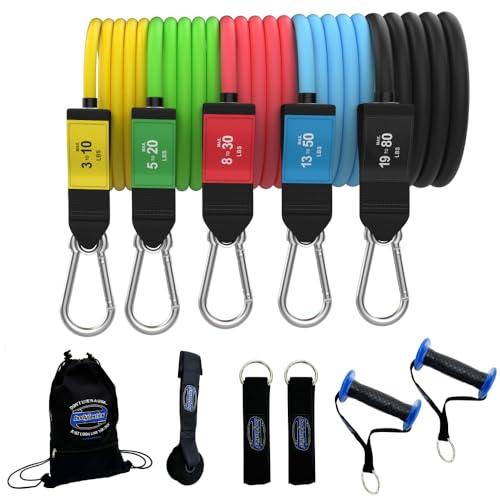 Bodylastics Resistance Bands with HandlesBands with proper handles and an anchor, so the grip is a handle rather than a fistful of rubber - the pick for arthritic hands. | Arm and back work when a flat band cannot be held | 8.6 | $42.46 · View on Amazon$49.95(15% off) #ad Price as of November 28, 2026. How we earn |
| 5 | 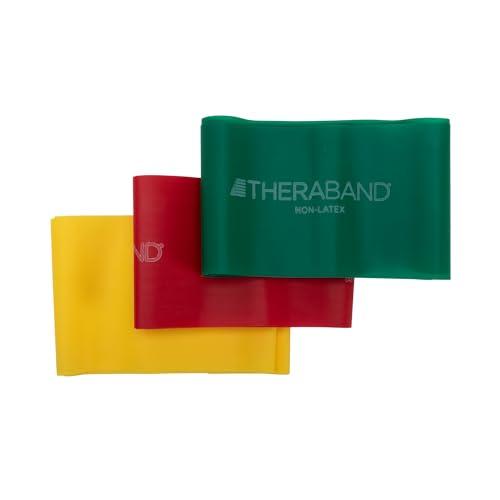 TheraBand Resistance Band SetThe budget pick: the flat bands physical therapists actually prescribe, in graded strengths from very light, at the lowest price on this page. | The cheapest equipment here, and the one a therapist will recognize | 8.9 | $9.78 · View on Amazon$13.71(29% off) #ad Price as of November 28, 2026. How we earn |
Tap any row to jump to the full write-up. The price button goes to Amazon.
Pick by what’s hard
Most lists sort by price. That is not how this decision actually gets made, so here it is sorted by the thing that is getting in the way.
- Cannot get down onto the floor, and cannot get back up
- Vive Pedal Exerciser — everything on this page works from a chair, but the pedal exerciser is the one that needs nothing else - no anchor, no mat, no door. Put it in front of the chair that already gets sat in.
- The pedal exerciser slides across the floor
- DeskCycle 2 Under-Desk Pedal Exerciser — the fix is weight, not technique. A heavier unit with magnetic resistance stays put; failing that, put a light one against a wall or on a rubber mat.
- Hands cannot grip a flat rubber band
- Bodylastics Resistance Bands with Handles — buy bands with molded handles so the load goes through the palm instead of a pinch. This is the single most common reason band exercises get abandoned.
- Sitting unsupported makes the lower back ache
- Marcy Recumbent Exercise Bike ME-709 — a recumbent bike brings its own backrest, which is why people who cannot tolerate an upright bike or a hard chair can use one for half an hour.
- Has been given an exercise sheet by a physical therapist
- TheraBand Resistance Band Set — buy the bands the sheet was written for. Color-graded TheraBand means red means red, and you are not guessing what resistance was intended.
How we picked
We don’t run a product lab. Every pick here is chosen by reading the things that actually tell you whether something works for weak hands, poor eyesight or shaky fingers: the manufacturer’s own specifications, the retailer listing, the measurements and weights, and what owners report in their reviews — especially the one-star ones. We read the complaints before the praise.
Prices change constantly, so we send you to Amazon to see today’s price rather than printing a number that goes stale. More about how we choose.
The picks in full
1. Best for legs on the floor and arms on a table, from one chair
Vive Pedal Exerciser
Vive Health · 9.0/10 on our rubric
#ad Price as of November 28, 2026. How we earn
The top pick: a compact pedal unit that works on the floor for legs and on a tabletop for arms, with tension set by a knob.
This is the most useful single object on the page because it does two jobs. On the floor in front of an ordinary dining chair it is a leg exerciser; lifted onto a table it becomes an arm exerciser, which is the half of the body that chair exercise usually ignores. For somebody who cannot walk far, keeping shoulder and arm movement is often what decides whether they can still dress and reach a cupboard.
The tension is a knob rather than an electronic setting, which means it can be adjusted by feel without reading anything, and it goes genuinely light at the bottom of its range. That matters more than the top of the range: equipment that starts too hard is equipment that gets used twice.
It is light, which is the trade. A light pedal unit wants either a mat under it or a wall behind it, because otherwise it creeps forward across a smooth floor as you pedal and you spend the session chasing it. Vive fits rubber feet, and on carpet that is enough; on laminate, put it against a wall or on a rubber mat.
Good
- Works on the floor for legs and on a table for arms
- Tension knob adjustable by feel, with a genuinely light low setting
- Compact enough to live beside a chair rather than in a spare room
- Nothing to climb onto or get down from
Watch out for
- Light enough to creep on a smooth floor - use a mat or a wall
- No display worth reading; count time rather than metrics
| Use | Floor for legs, tabletop for arms |
|---|---|
| Resistance | Adjustable tension knob |
| Display | Basic |
| Best for | Both halves of the body from one chair |
How it scores
- Stays put on the floor7.6
- Light enough at the low end9.4
- Setup and storage9.4
- Value9.2
2. Best for a heavier unit that does not move, and a low pedal height
DeskCycle 2 Under-Desk Pedal Exerciser
DeskCycle · 8.8/10 on our rubric
#ad Price as of November 28, 2026. How we earn
The pedal exerciser that stays where you put it: heavier, quieter, magnetic resistance and a low enough profile to go under a table.
If the complaint about a cheap pedal exerciser is that it slides away, this is the answer. The DeskCycle 2 is substantially heavier and uses magnetic resistance rather than friction, which means it is quiet enough to use while the television is on and smooth rather than lurching at the bottom of the range - friction units tend to grab, which is uncomfortable on a sore knee.
The low pedal height is the other reason to pick it. It can be used under a dining table or a desk without the knees hitting the underside, which is what makes it something somebody uses while doing something else rather than as a separate activity. Equipment that fits into an existing routine gets used; equipment that requires a session does not.
The reservations are price and ambition. It costs around twice the Vive and it only does the legs - there is no table-top arm use here. Buy it when pedaling is the exercise and it is going to happen daily, and buy the Vive when the budget is tighter or arms matter too.
Good
- Heavy enough to stay put on a smooth floor
- Magnetic resistance - quiet and smooth rather than grabbing
- Low pedal height, fits under a table or desk
- Built to be used daily for years
Watch out for
- Around twice the price of the Vive
- Legs only - no tabletop arm use
| Resistance | Magnetic, multiple levels |
|---|---|
| Noise | Quiet enough for TV |
| Pedal height | Low - fits under a desk |
| Best for | Daily pedaling that stays put |
How it scores
- Stays put on the floor9.4
- Light enough at the low end8.8
- Setup and storage8.4
- Value8.2
3. Best for pedaling with a backrest, for a sore lower back
Marcy Recumbent Exercise Bike ME-709
Marcy · 8.5/10 on our rubric
#ad Price as of November 28, 2026. How we earn
The seated bike for a bad back: a step-through frame, a padded seat with a backrest, and eight resistance levels on a dial.
A recumbent bike is the only piece of equipment here that provides its own chair, and for somebody whose lower back cannot tolerate sitting unsupported it is the one that makes pedaling possible at all. The seat has a backrest, the pedals are in front rather than below, and the frame is step-through so nobody has to swing a leg over a crossbar.
Eight levels of resistance on a dial, a seat that slides fore and aft to set leg length, and a frame solid enough that it does not shift. It is the piece of equipment on this page most likely to be used for twenty or thirty minutes at a time rather than five, because it is comfortable rather than merely usable.
The honest costs are space and commitment. It is a piece of furniture - it does not fold away into a cupboard, and in a small apartment it occupies a corner permanently. The step-through height, while low, is still a step-through, so somebody who genuinely cannot lift a foot clear of a low frame is better served by a pedal exerciser on the floor. Our recumbent bike versus pedal exerciser comparison goes through that decision properly, because buying the bike when a pedal exerciser was the answer is an expensive clothes rack.
Good
- Provides its own supported seat with a backrest
- Step-through frame - no crossbar to swing a leg over
- Eight resistance levels, and a seat that slides to set leg length
- Comfortable enough to be used for a real length of time
Watch out for
- A permanent piece of furniture, not something that folds away
- Still requires stepping through a low frame
| Type | Recumbent exercise bike |
|---|---|
| Resistance | 8 levels, dial |
| Seat | Padded with backrest, adjustable fore and aft |
| Frame | Step-through |
How it scores
- Stays put on the floor9.6
- Light enough at the low end8.6
- Setup and storage5.4
- Value8.4
4. Best for arm and back work when a flat band cannot be held
Bodylastics Resistance Bands with Handles
Bodylastics · 8.6/10 on our rubric
#ad Price as of November 28, 2026. How we earn
Bands with proper handles and an anchor, so the grip is a handle rather than a fistful of rubber - the pick for arthritic hands.
A flat therapy band has to be gripped by wrapping it round the hand and squeezing, which is exactly the movement arthritic hands cannot do. Handles change that: the hand holds a shaped grip, the load goes through the palm, and the band does the work. For anybody whose hands are the weak link rather than their arms, this is the version of band exercise that is actually possible.
The set includes a door anchor, which is the other half of the solution for seated work. Anchored behind a door or round a chair leg, the band gives a pull you can row against while sitting - which works the upper back, and the upper back is what collapses first when somebody spends most of the day in a chair.
Resistance clips together in layers, so it goes light and builds up without buying anything else. The reservations: more parts to keep track of than a single band, and the door anchor needs a door that latches properly. Check the clips every few weeks - the failure mode of any band system is a clip or a band giving way under tension, which is startling and occasionally bruising.
Good
- Proper handles, so the hand grips a handle rather than rubber
- Door anchor included for seated rowing movements
- Layered bands - light to heavy from one purchase
- Packs into a drawer
Watch out for
- More parts to keep together than a single band
- Check clips and bands regularly for wear before loading them
| Type | Clip-together bands with handles |
|---|---|
| Anchor | Door anchor included |
| Resistance | Layered, light to heavy |
| Best for | Hands that cannot grip a flat band |
How it scores
- Stays put on the floor8.6
- Light enough at the low end8.6
- Setup and storage8.8
- Value8.8
5. Best for the cheapest equipment here, and the one a therapist will recognize
TheraBand Resistance Band Set
TheraBand · 8.9/10 on our rubric
#ad Price as of November 28, 2026. How we earn
The budget pick: the flat bands physical therapists actually prescribe, in graded strengths from very light, at the lowest price on this page.
This is the least expensive real equipment on the page and it is the one most likely to be handed over in a physical therapy appointment. TheraBand is the standard the exercises in rehabilitation handouts are written for, which matters practically: if a therapist says to use the red band, this is the system they mean, and the color grading means a sheet of exercises can be followed without translation.
The strengths start genuinely light - lighter than most consumer band sets, which begin at a resistance that assumes a healthy forty-year-old. For a shoulder recovering from anything, or hands that have lost grip strength, the lightest band is where you start and it is the reason this set beats a cheaper unbranded one.
The limitation is the grip. A flat band is held by wrapping it round the palm, which is awkward or painful for arthritic hands, and that is why the Bodylastics set with handles is on this page as well. Flat bands also perish - check for small cracks or sticky patches before each use and replace them annually, because a band that snaps mid-pull is unpleasant.
Good
- The lowest price on this page by a distance
- The brand physical therapy handouts are written for
- Graded strengths starting genuinely light
- Fits in a drawer; nothing to assemble
Watch out for
- Flat bands have to be wrapped round the hand - hard with arthritis
- Bands perish; check for cracks and replace annually
| Type | Flat resistance bands, graded by color |
|---|---|
| Resistance | Multiple strengths from very light |
| Latex | Latex-free versions available |
| Best for | Following a therapist's exercise sheet |
How it scores
- Stays put on the floor8.0
- Light enough at the low end9.6
- Setup and storage9.6
- Value9.8
Make the chair safe before you buy the equipment
Everything here is used from a chair, which means the chair is part of the equipment. A dining chair with a firm seat, a back and no wheels is the right one. An armchair is too soft and too low for most of this, and an office chair on castors is genuinely unsafe to push against - it rolls away at the worst moment.
Put the chair where there is a wall or a heavy piece of furniture behind it, so it cannot slide backwards under load. Check the feet have something on them that grips the floor. And if the problem is that getting out of the chair afterwards is harder than the exercise, that is worth solving first: our guide to getting up from a chair safely covers the technique, and our lift chair roundup covers the equipment answer.
One more practical point. Keep the equipment in the room where it will be used, in sight. A pedal exerciser in a cupboard is a pedal exerciser that is used in January. One beside the armchair gets used in front of the evening news, which is the whole trick.
If a chair has to be dragged into position each time, the session will not happen. Set it up once and leave it set up.
How much, how often, and what to actually do
Federal physical activity guidelines suggest adults aim for 150 minutes of moderate activity a week plus muscle-strengthening work twice a week, and add that older adults who cannot meet that should be as active as their condition allows. Read in that spirit, ten minutes of pedaling twice a day is not a token - it is twenty minutes toward a figure most people in their eighties are nowhere near.
A reasonable shape for a week from a chair: pedaling most days, starting at five minutes and adding a minute or two a week; band work for arms and upper back twice a week, eight to twelve repetitions of each movement with the lightest band that makes the last couple feel like work; and some ankle and foot movement daily, because that is what keeps the circulation going in legs that do not walk much.
Our chair exercises guide sets out an actual sequence that needs no equipment at all, and it is the page to read alongside this one - the equipment here makes a routine progressable, but the routine matters more than the kit.
What not to buy for seated exercise
- Ankle weights for anybody with a knee or hip problem. They load the joint at the end of a long lever, which is the opposite of what a sore knee wants.
- Hand weights heavier than a couple of pounds, if the hands are the weak link. A dumbbell that cannot be held safely gets dropped on a foot.
- Vibration plates and passive machines sold as exercise. Being shaken is not activity, and the claims around them are not supported.
- A treadmill or walking pad, if the reason for shopping is that standing is unsafe. Our walking pad roundup covers those for people who can walk; this page is for people who cannot.
- Anything that requires getting down onto a mat, if getting back up is the problem. That rules out most of what the internet calls senior exercise videos.
Questions people ask
▸What is the best exercise equipment for seniors who cannot stand?
A pedal exerciser is the most useful single purchase, and the Vive is the pick because it works on the floor for the legs and on a table for the arms. Add resistance bands for the upper body - TheraBand flat bands if a therapist has given you an exercise sheet, or Bodylastics bands with handles if the hands cannot grip a flat band.
▸Do pedal exercisers actually do anything?
They keep legs moving, which maintains circulation, range of motion and some strength in people who do not walk far - and that is a real benefit even though it is not cardiovascular training. The usual reason they disappoint is that they are too light and slide away, or set too hard and abandoned. Choose a heavy unit, start at the lightest tension, and count minutes rather than distance.
▸How do I stop my pedal exerciser from sliding away?
Put it against a wall so it has something to push back on, or on a rubber mat, or buy a heavier unit. The DeskCycle 2 is substantially heavier than budget pedal exercisers and stays put on a smooth floor, which is most of what you are paying extra for.
▸Should I buy a recumbent bike or a pedal exerciser?
A pedal exerciser if space is tight, the budget is modest, or stepping through even a low frame is difficult - it sits in front of a chair you already own. A recumbent bike if the lower back needs support to pedal at all, or if sessions are going to be twenty to thirty minutes rather than five to ten. Our recumbent bike versus pedal exerciser comparison goes through the decision in detail.
▸Are resistance bands safe for someone with arthritis?
Generally yes, at light resistance, and they are what physical therapists most often prescribe because the load is gradual rather than sudden. The problem is usually the grip rather than the resistance - a flat band has to be wrapped round the palm, which arthritic hands hate. Bands with molded handles solve that, and the lightest strength is the right place to start.
▸How often should an older person do chair exercises?
Most days for movement and circulation, and twice a week for anything that counts as strengthening - which matches the federal guidance for older adults, with the sensible caveat that anybody who cannot reach the headline figures should be as active as their condition allows. Short and frequent beats long and occasional, because the long session is the one that gets skipped.
Sources
Read next
Guide
Chair exercises for seniors
A ten-movement seated routine with safety notes and how to progress it.
Read the guide →
Best pedal exerciser
Best pedal exercisers for seniors
Pedal exercisers ranked on pedal height, stability and resistance that is actually usable.
Read the guide →
Best strength kit
Best resistance bands for seniors
Band types compared, with handles, loops and tubes for different grip strength.
Read the guide →
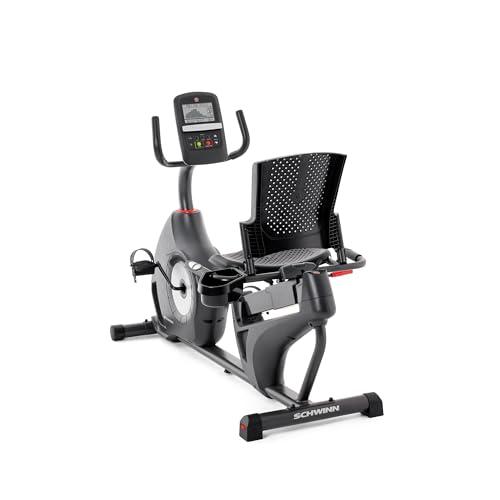
Head to head
Recumbent bike vs pedal exerciser
Space, transfer, resistance and cost compared — and which one actually gets used.
Read the guide →
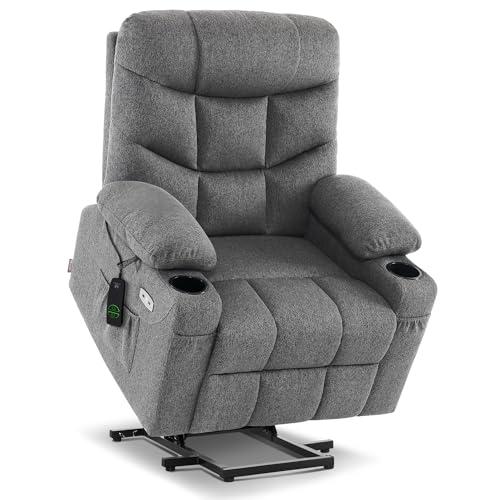
Guide
Getting up from a chair safely
The method, the chair features that help, and the equipment worth buying if it is still hard.
Read the guide →