Getting up from a chair safely
Nose over toes, hands on the arms, push with the legs. The technique matters as much as the chair.
By Selena H. · Last checked October 13, 2026 · How we keep pages current
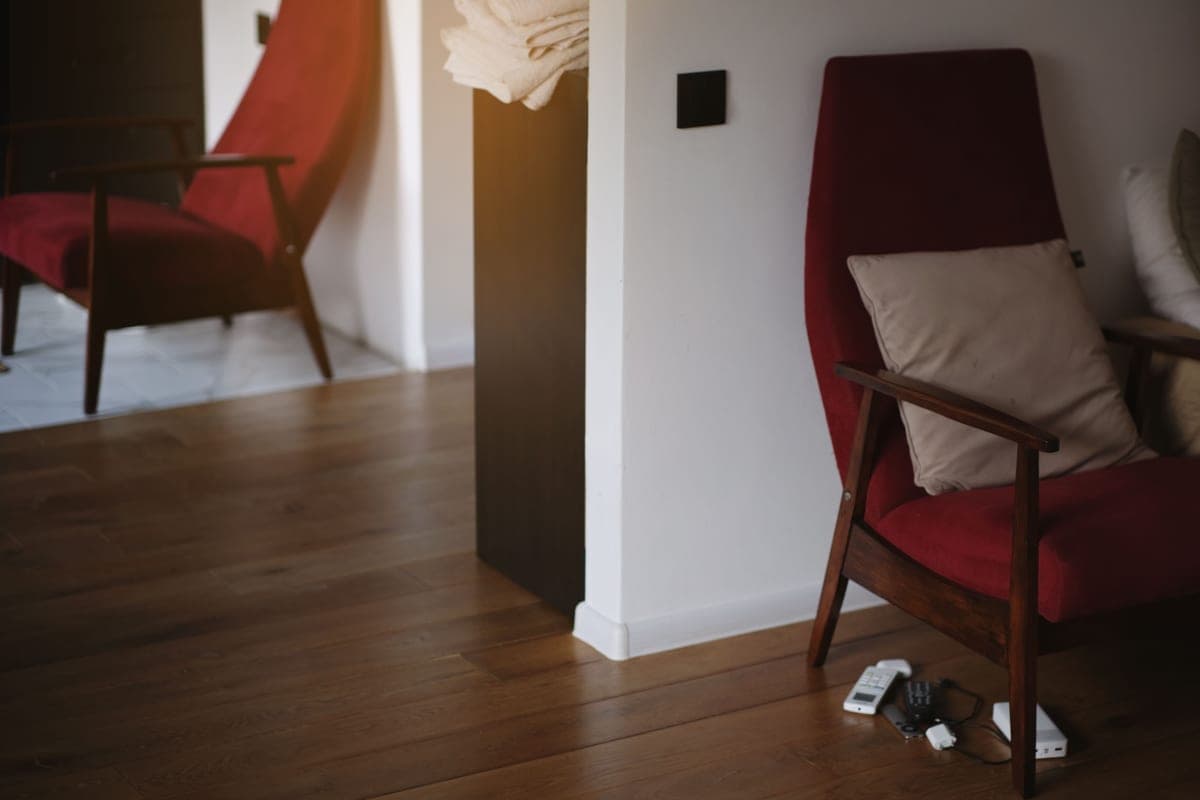
Shuffle to the front edge of the seat, put your feet back underneath you, lean your nose forward over your toes, push down on the chair arms, and stand. Pause for a few seconds before walking off. That is the technique, and it is taught in every physical therapy clinic because most people do it wrong.
The two common errors are pulling on a walking frame instead of pushing on the chair, and standing up too quickly — which, in someone whose blood pressure drops on standing, is how dizziness and falls happen.
This is general information about products, not medical advice. Talk to your doctor or occupational therapist about your own situation.
Some links on this page go to Amazon. If you buy something, we may earn a small commission at no extra cost to you — it never changes which products we pick or the order they appear in. Full disclosure.
The technique, step by step
- Shuffle forward until you are sitting on the front third of the seat.
- Bring your feet back so they are under your knees, slightly apart, flat on the floor.
- Put both hands on the chair arms — not on a walker, not on a table.
- Lean forward until your nose is over your toes. This is the step people skip, and the one that makes it work.
- Push down through your hands and legs together, and stand up in one movement rather than rocking.
- Stand still for a count of five before walking. If you feel light-headed, sit back down and tell your doctor about it.
Quick picks
| # | Product | Best for | Score | Price |
|---|---|---|---|---|
| 1 | MCombo Power Lift Recliner (single motor)Tilts the seat forward and up, doing the hard part of the movement for you. | When the technique is no longer enough | 8.4 | Check price on Amazon #ad Prices change daily, so we send you to check today's. How we earn |
| 2 | Chair Risers (set of four)Lifts an existing armchair a few inches — the cheapest fix on this page. | Raising a chair you already like | 8.2 | Check price on Amazon #ad Prices change daily, so we send you to check today's. How we earn |
Tap any row to jump to the full write-up. The price button goes to Amazon.
How we picked
We don’t run a product lab. Every pick here is chosen by reading the things that actually tell you whether something works for weak hands, poor eyesight or shaky fingers: the manufacturer’s own specifications, the retailer listing, the measurements and weights, and what owners report in their reviews — especially the one-star ones. We read the complaints before the praise.
Prices change constantly, so we send you to Amazon to see today’s price rather than printing a number that goes stale. More about how we choose.
The picks in full
1. Best for when the technique is no longer enough
MCombo Power Lift Recliner (single motor)
MCombo · 8.4/10 on our rubric
#ad Prices change daily, so we send you to check today's. How we earn
Tilts the seat forward and up, doing the hard part of the movement for you.
If standing takes several attempts most days, this is the purchase that restores independence in the living room.
Good
- Lift function removes the hardest part
- Simpler and cheaper than dual motor
- Ordinary recliner appearance
Watch out for
- Check seat depth and height against the person
- Look for battery backup
| Lift | Yes |
|---|---|
| Motors | One |
| Fit | Measure seat height and depth first |
| Insurance | Lift mechanism may be claimable with a doctor's order |
2. Best for raising a chair you already like
Chair Risers (set of four)
Vive Health · 8.2/10 on our rubric
#ad Prices change daily, so we send you to check today's. How we earn
Lifts an existing armchair a few inches — the cheapest fix on this page.
Often this is all that is needed. Try risers and a firm cushion before replacing a chair someone is attached to.
Good
- Very inexpensive
- Keeps a favorite chair in use
- Removable
Watch out for
- Check they fit the chair's legs securely
- Not suitable for chairs with castors
| Lift | A few inches, model dependent |
|---|---|
| Fits | Chairs and beds with straight legs |
| Removable | Yes |
| Best for | Trying before replacing |
What makes a chair easy to get out of
- Arms. Non-negotiable. A chair without arms gives nothing to push on.
- Seat height: high enough that the knees are level with or slightly below the hips when seated.
- Seat firmness. A soft, sinking cushion makes standing far harder than a firm one.
- Seat depth that lets the feet stay flat on the floor while the back is supported.
- A stable base that will not slide or tip when weight goes onto one side.
Cheap fixes before buying a chair
A firm cushion raises the seat and removes the sinking feeling, which is often enough on its own. A chair riser — blocks that lift the legs of an existing chair — does the same for a favorite armchair that is otherwise fine.
Moving a chair next to a solid piece of furniture gives a second surface to push against. Adding a non-slip mat underneath stops a light chair sliding backwards during the push.
If a favorite chair is simply too low and too soft, try the cushion and the risers before replacing it. People are attached to their chairs for good reasons.
When it is time for a lift chair
If standing up takes several attempts, needs a rocking run-up, or requires another person most days, the technique and the cushions have been exhausted. A lift chair tilts the seat forward and up and removes the hardest part of the movement.
It is also worth a conversation with a doctor or physical therapist at that point. Difficulty rising from a chair is a recognized marker of lower-body weakness and fall risk, and it responds well to targeted strength work — sit-to-stand practice, specifically, is one of the most effective exercises there is.
If standing up causes dizziness, tell a doctor. A blood pressure drop on standing is common, often medication-related, and usually treatable — and it is a frequent cause of falls.
Questions people ask
▸What is the correct way to stand up from a chair?
Shuffle to the front of the seat, feet back under the knees, hands on the chair arms, lean your nose over your toes, then push with hands and legs together. Stand still for five seconds before walking.
▸Why is it hard to get up from a soft chair?
A soft cushion lets the hips sink below the knees, which means standing starts from a deeper squat than the leg muscles can manage. A firm cushion or chair risers often solve it entirely.
▸Should you push on a walker to stand up?
No. A walker can tip or roll. Push on the chair arms, stand fully, pause, then reach for the walker once you are steady.
▸Is difficulty standing up a sign of something?
It is a recognized marker of lower-body weakness and higher fall risk, and it responds well to sit-to-stand practice. If it has changed recently, or causes dizziness, mention it to a doctor.
Sources
Read next
Best lift chair
Best lift chairs for elderly adults
Lift recliners compared on fit, motor count and what the listings do not tell you.
Read the guide →
Head to head
Power recliner vs lift chair
What each actually does, what Medicare may cover, and when the cheaper one is enough.
Read the guide →

Guide
Chair exercises for seniors
A ten-movement seated routine with safety notes and how to progress it.
Read the guide →
Best raised toilet seat
Best raised toilet seats for elderly adults
Risers, raised seats and safety frames compared, with fitting notes for each.
Read the guide →