Chair exercises for seniors
Ten minutes, sitting down, no equipment. It is where everything else starts.
By Selena H. · Last checked October 13, 2026 · How we keep pages current
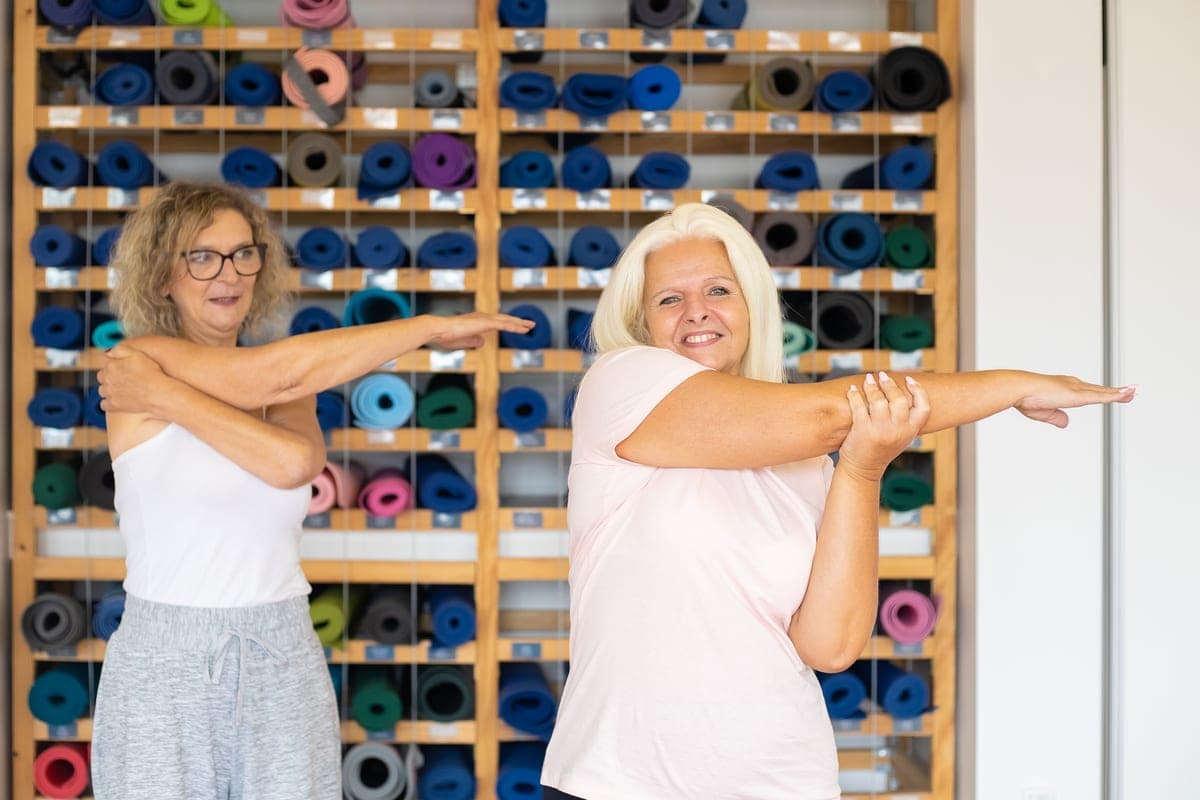
Sit in a firm chair with arms, feet flat on the floor, and work through the ten movements below. Ten repetitions of each takes about ten minutes, needs nothing at all, and can be done every day.
Use a dining chair rather than an armchair — a soft seat lets the hips sink and makes everything harder. If the chair slides on a hard floor, put it against a wall.
This is general information about products, not medical advice. Talk to your doctor or occupational therapist about your own situation.
Some links on this page go to Amazon. If you buy something, we may earn a small commission at no extra cost to you — it never changes which products we pick or the order they appear in. Full disclosure.
The routine, in order
- Ankle circles. Lift one foot slightly, circle the ankle ten times each way, then swap. Wakes up the circulation.
- Heel and toe raises. Feet flat, lift the heels, lower, then lift the toes. Ten of each.
- Knee lifts. Lift one knee towards the chest, lower with control. Ten each side.
- Leg extensions. Straighten one leg out in front, hold for two seconds, lower slowly. Ten each side. This is the quadriceps work that gets you out of chairs.
- Seated marching. March on the spot, lifting the knees, for thirty seconds.
- Shoulder rolls. Roll the shoulders backwards ten times, then forwards ten times.
- Arm raises. Raise both arms forward to shoulder height, lower slowly. Ten repetitions.
- Seated twists. Hands on the shoulders, turn gently to one side, then the other. Ten each way, slowly.
- Neck turns. Look slowly over one shoulder, hold, then the other. Five each side. Never force it.
- Sit-to-stand. From the front of the seat, stand up and sit down with control. Five to ten repetitions, hands on the arms if needed. This is the single most valuable movement in the list.
Quick picks
| # | Product | Best for | Score | Price |
|---|---|---|---|---|
| 1 | 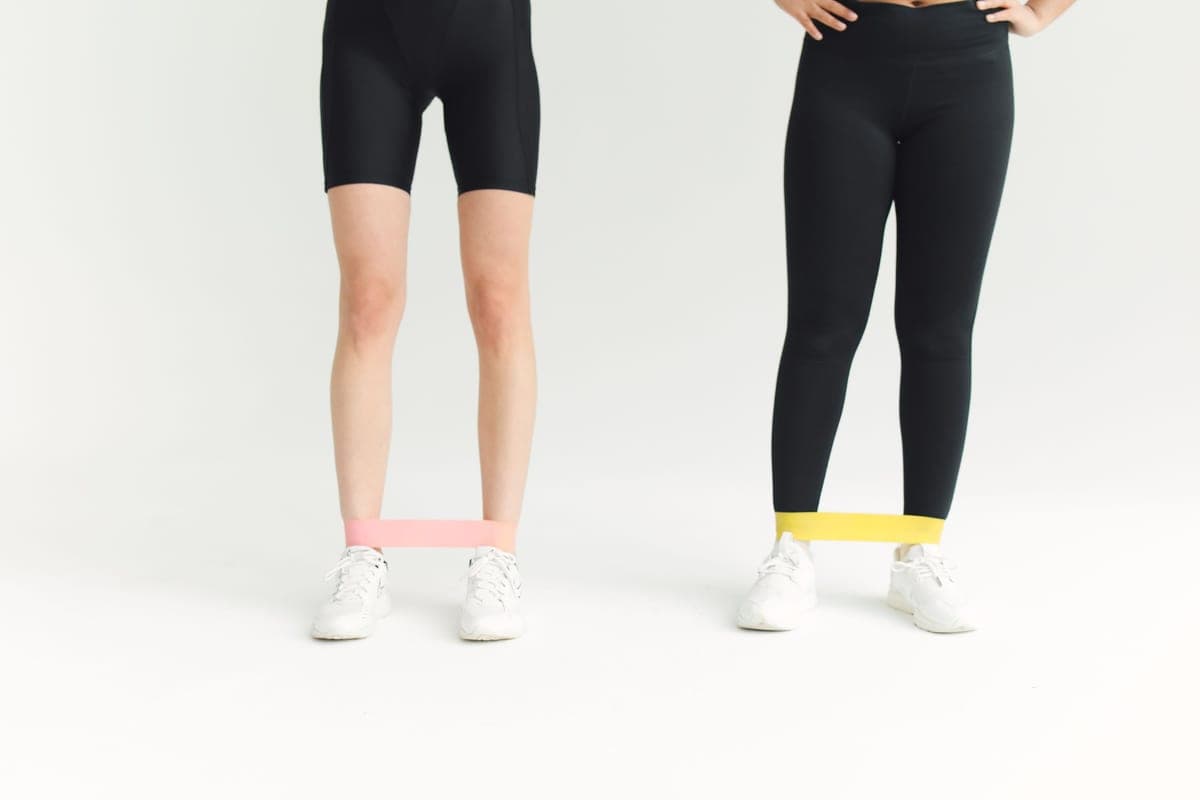 TheraBand Resistance Band SetColor-coded bands that add resistance to the same seated movements. | The next step once the routine is easy | 8.6 | Check price on Amazon #ad Prices change daily, so we send you to check today's. How we earn |
| 2 | 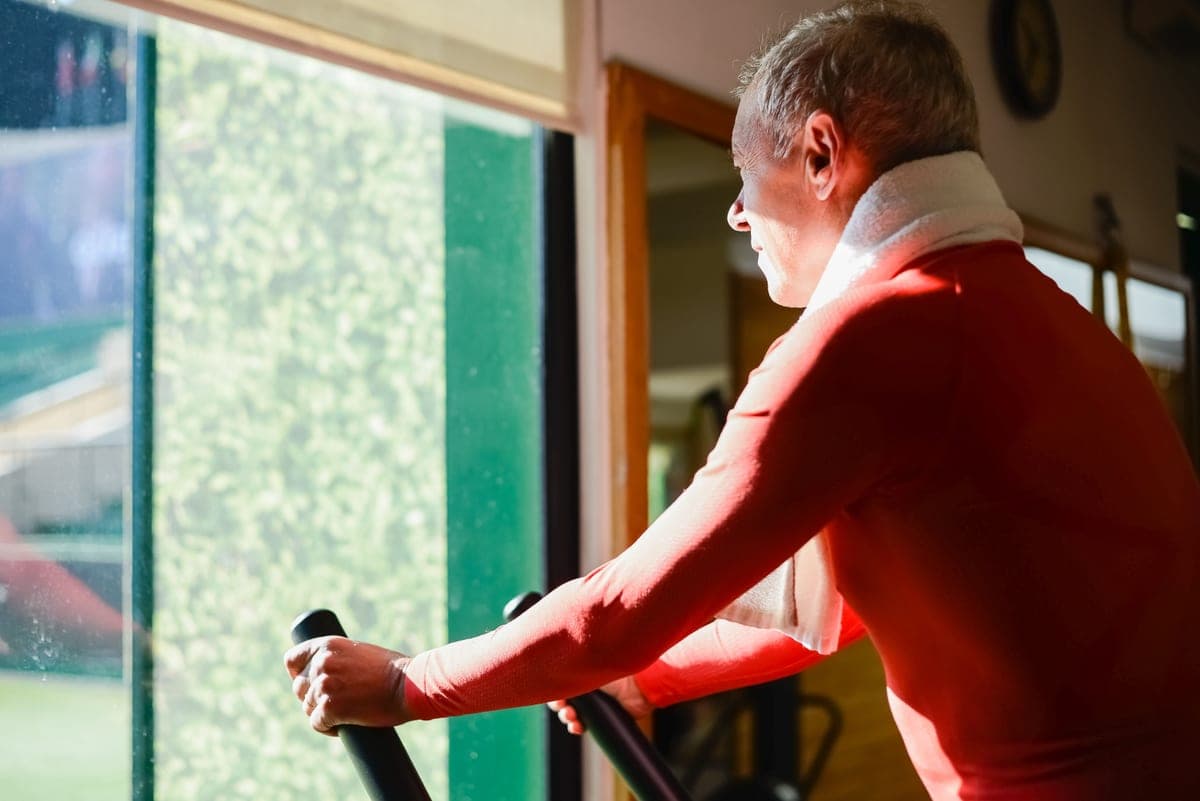 DeskCycle 2 Under-Desk Pedal ExerciserPedals under the same chair, so the routine gains a cardiovascular half. | Adding cardio to the same chair | 9.0 | Check price on Amazon #ad Prices change daily, so we send you to check today's. How we earn |
Tap any row to jump to the full write-up. The price button goes to Amazon.
How we picked
We don’t run a product lab. Every pick here is chosen by reading the things that actually tell you whether something works for weak hands, poor eyesight or shaky fingers: the manufacturer’s own specifications, the retailer listing, the measurements and weights, and what owners report in their reviews — especially the one-star ones. We read the complaints before the praise.
Prices change constantly, so we send you to Amazon to see today’s price rather than printing a number that goes stale. More about how we choose.
The picks in full
1. Best for the next step once the routine is easy
TheraBand Resistance Band Set
TheraBand · 8.6/10 on our rubric
#ad Prices change daily, so we send you to check today's. How we earn
Color-coded bands that add resistance to the same seated movements.
Add these when ten repetitions have become comfortable. The colors match what a physical therapist would prescribe.
Good
- Progressive resistance levels
- Matches therapy instructions
- Latex-free options
Watch out for
- Flat bands need gripping — add handles for weak hands
- Replace when cloudy or sticky
| Type | Flat therapy bands |
|---|---|
| Levels | Color coded |
| Use | Seated arm and leg work |
| Replace | When perished |
2. Best for adding cardio to the same chair
DeskCycle 2 Under-Desk Pedal Exerciser
DeskCycle · 9.0/10 on our rubric
#ad Prices change daily, so we send you to check today's. How we earn
Pedals under the same chair, so the routine gains a cardiovascular half.
Chair exercises build strength; pedaling adds the endurance side without needing a different room.
Good
- No transfer
- Low pedal height
- Adjustable resistance
Watch out for
- Chair must not slide
- Heavier than budget models
| Type | Pedal exerciser |
|---|---|
| Use | Same chair, same routine |
| Resistance | Magnetic |
| Storage | Cupboard |
Before you start
- Check with a doctor first if there is heart disease, uncontrolled blood pressure, recent surgery, a new joint, or any chest pain on exertion.
- Use a firm chair with arms that does not slide. A dining chair against a wall is ideal.
- Wear shoes with backs and non-slip soles, not socks.
- Keep water within reach and the phone nearby.
- Breathe out on the effort. Never hold your breath — it raises blood pressure.
- Stop for chest pain, severe breathlessness, dizziness or sharp joint pain, and mention any of those to a doctor.
Why sit-to-stand matters most
Of everything in that list, the sit-to-stand is the movement that most directly predicts independence. It trains exactly the muscles used to get out of a chair, off a toilet and out of a car, and it is used clinically as a measure of lower-body strength and fall risk.
Start with whatever is manageable — even two repetitions, using the chair arms — and add one a week. Progress to doing it without using the hands when that becomes possible, which is a genuine milestone worth noticing.
Making it a habit
- Tie it to something that already happens: after breakfast, or during the lunchtime news.
- Do it in the same chair every day, so the chair becomes the cue.
- Keep a mark on a calendar. Seeing a row of marks is more motivating than any app.
- Doing half the routine is not failure. Doing none because you could not face all ten is.
- If someone else can join in, they usually will — and both people benefit.
When to progress
When ten repetitions of each movement feel easy, add a light resistance band for the arm and leg work, and increase the sit-to-stands. Bands are the natural next step because they add resistance without anything to drop.
Then add standing balance work at a counter, which is the other half of staying steady. Our balance guide covers a four-week progression that starts with nothing at all.
If movements cause pain rather than effort, stop and ask a physical therapist. Discomfort from working is normal; joint pain is a signal.
Questions people ask
▸What are good chair exercises for seniors?
Ankle circles, heel and toe raises, knee lifts, leg extensions, seated marching, shoulder rolls, arm raises, gentle twists, neck turns and sit-to-stands. Ten repetitions of each takes about ten minutes.
▸How often should chair exercises be done?
Daily is reasonable for a gentle routine like this, with the strength elements — leg extensions and sit-to-stands — on at least two days a week. Build up gradually rather than starting at full repetitions.
▸What is the most important seated exercise?
The sit-to-stand. It trains exactly the muscles used to get out of a chair, off a toilet and out of a car, and it is used clinically as a measure of lower-body strength and fall risk.
▸Are chair exercises enough on their own?
They are an excellent base, particularly for someone starting from very little. Add balance practice at a counter and some resistance work for the fuller benefit, as strength and confidence allow.
Sources
Read next
Guide
Balance exercises to prevent falls
A four-week counter-based progression, and the non-exercise changes that matter as much.
Read the guide →
Best strength kit
Best resistance bands for seniors
Band types compared, with handles, loops and tubes for different grip strength.
Read the guide →
Best pedal exerciser
Best pedal exercisers for seniors
Pedal exercisers ranked on pedal height, stability and resistance that is actually usable.
Read the guide →
Guide
Getting up from a chair safely
The method, the chair features that help, and the equipment worth buying if it is still hard.
Read the guide →