Best raised toilet seats for elderly adults
Sitting down is easy. Standing up from four inches lower than you expected is not.
By Selena H. · Last checked October 13, 2026 · How we keep pages current
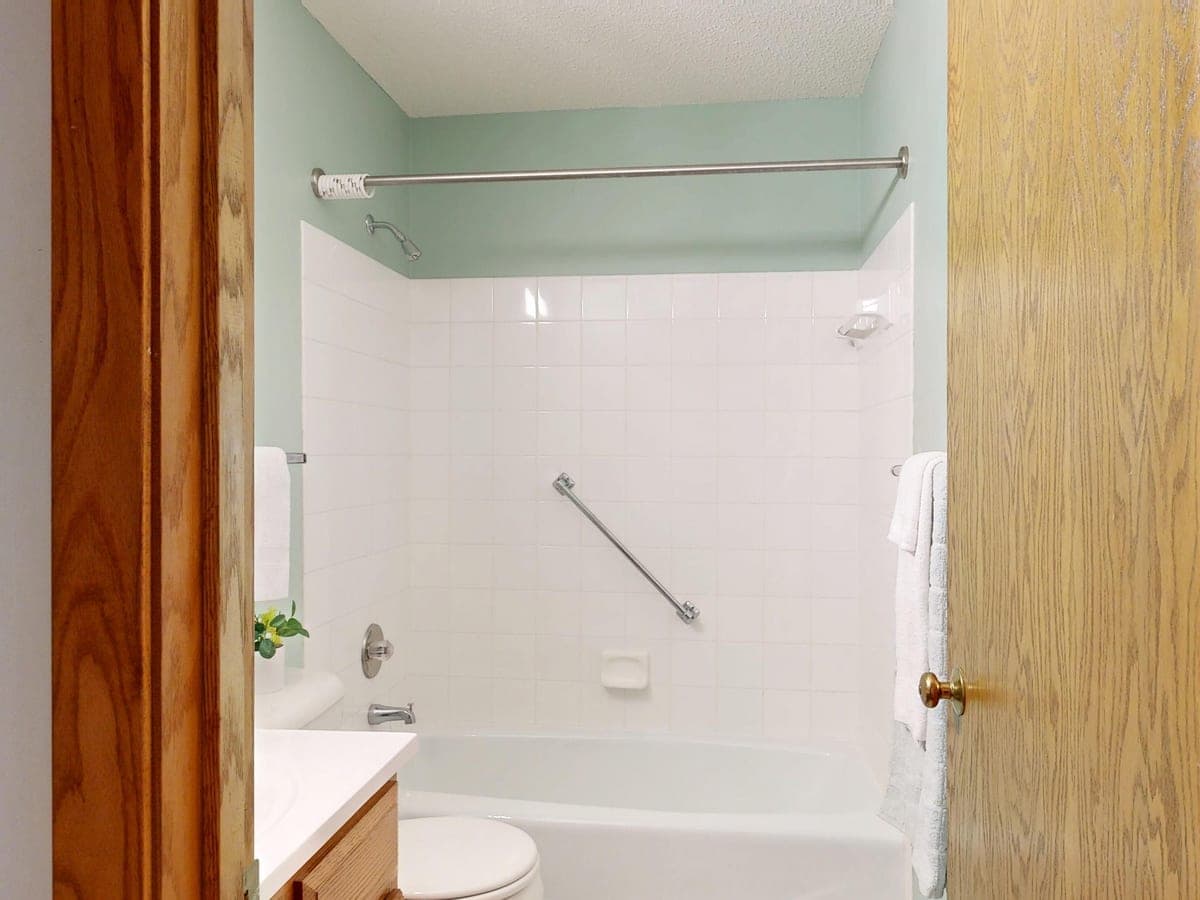
A standard toilet is about fifteen inches high. For knees and hips that no longer bend comfortably, that last few inches down is a controlled fall, and the way back up requires either strong quadriceps or something to push against — which is why so many people end up hauling on a towel rail or a sink, both of which come off the wall.
There are three fixes and they are not interchangeable. A riser lifts the whole seat. A raised seat clamps on top of the existing one. A safety frame adds arms without changing the height. Which you need depends on whether the problem is height, pushing, or both.
This is general information about products, not medical advice. Talk to your doctor or occupational therapist about your own situation.
Some links on this page go to Amazon. If you buy something, we may earn a small commission at no extra cost to you — it never changes which products we pick or the order they appear in. Full disclosure.
The three options, in plain terms
- Toilet seat riser — a molded ring that sits on the bowl under the existing seat, usually adding two to five inches. Cheap, quick, and it changes nothing permanent.
- Raised toilet seat with arms — a seat-and-arm unit that clamps onto the bowl, giving both the height and something to push against. The most common answer.
- Toilet safety frame — a free-standing or bolt-on frame that puts arms either side at the right height, with no change to the seat. Use this when height is fine but pushing up is not.
Quick picks
Ranked for how little strength, eyesight or patience they need — not for how much they cost.
| # | Product | Best for | Score | Price |
|---|---|---|---|---|
| 1 | Drive Medical Raised Toilet Seat with LockAdds a few inches with a locking bracket that stops the shifting cheaper seats do. | Height, fitted securely | 8.4 | Check price on Amazon #ad Prices change daily, so we send you to check today's. How we earn |
| 2 | Carex E-Z Lock Raised Toilet Seat with HandlesHeight plus padded arms in one unit, with a lock that genuinely holds. | Height and arms together | 9.0 | Check price on Amazon #ad Prices change daily, so we send you to check today's. How we earn |
| 3 | Vaunn Medical Toilet Safety FrameAdds arms at an adjustable height while leaving the toilet exactly as it is. | Arms without changing the seat | 8.0 | Check price on Amazon #ad Prices change daily, so we send you to check today's. How we earn |
| 4 | Medline Elevated Toilet SeatA plain riser for a straightforward height problem, at the lowest price here. | A simple, cheap lift | 7.8 | Check price on Amazon #ad Prices change daily, so we send you to check today's. How we earn |
Tap any row to jump to the full write-up. The price button goes to Amazon.
Pick by what’s hard
Most lists sort by price. That is not how this decision actually gets made, so here it is sorted by the thing that is getting in the way.
- Both sitting and standing are hard
- Carex E-Z Lock Raised Toilet Seat with Handles — height and arms together. This is the right purchase for most people and avoids buying twice.
- Only standing up is hard
- Vaunn Medical Toilet Safety Frame — a frame gives leverage without raising the seat, which keeps the bathroom usable for everyone else.
- After a hip or knee replacement
- Drive Medical Raised Toilet Seat with Lock — surgeons often specify a minimum seat height during recovery. Ask what height was recommended before choosing, and follow it.
- Shared bathroom, others object
- Vaunn Medical Toilet Safety Frame — a frame leaves the seat alone. Alternatively buy a raised seat that lifts off in one movement.
How we picked
We don’t run a product lab. Every pick here is chosen by reading the things that actually tell you whether something works for weak hands, poor eyesight or shaky fingers: the manufacturer’s own specifications, the retailer listing, the measurements and weights, and what owners report in their reviews — especially the one-star ones. We read the complaints before the praise.
Prices change constantly, so we send you to Amazon to see today’s price rather than printing a number that goes stale. More about how we choose.
The picks in full
1. Best for height, fitted securely
Drive Medical Raised Toilet Seat with Lock
Drive Medical · 8.4/10 on our rubric
#ad Prices change daily, so we send you to check today's. How we earn
Adds a few inches with a locking bracket that stops the shifting cheaper seats do.
The complaint about raised seats is always the same: they slide. A locking bracket that tightens under the bowl rim is what separates a seat that feels safe from one that is quietly frightening to use.
Buy the shape that matches the toilet — elongated or round. This is the detail people get wrong, and a mismatched seat never sits properly.
Good
- Locking bracket keeps it from shifting
- Available in round and elongated
- Easy to remove for cleaning
Watch out for
- Check the bowl shape before ordering
- No arms — add a frame if pushing up is the problem
| Type | Raised seat, clamp-on |
|---|---|
| Added height | Typically a few inches — check the listing |
| Fixing | Locking bracket |
| Shapes | Round and elongated |
How it scores
- Height gain8.8
- Feels secure8.8
- Helps standing up7.0
- Ease of fitting8.8
2. Best for height and arms together
Carex E-Z Lock Raised Toilet Seat with Handles
Carex · 9.0/10 on our rubric
#ad Prices change daily, so we send you to check today's. How we earn
Height plus padded arms in one unit, with a lock that genuinely holds.
For most people this is the right purchase: the extra height makes sitting down shorter, and the arms make standing up possible without grabbing a sink. One item, one fitting, both problems.
The arms are the part that gets used most, so check they are at a comfortable width and that they can be removed if the toilet is also used by someone who finds them in the way.
Good
- Height and arms in one unit
- Locking mechanism that holds under real use
- Removable for cleaning
Watch out for
- Bulkier than a plain riser
- Arms may be too wide for a very narrow cloakroom
| Type | Raised seat with handles |
|---|---|
| Added height | Typically about five inches — check the listing |
| Fixing | Locking clamp |
| Arms | Padded, removable |
How it scores
- Height gain9.0
- Feels secure9.0
- Helps standing up9.2
- Ease of fitting8.4
3. Best for arms without changing the seat
Vaunn Medical Toilet Safety Frame
Vaunn Medical · 8.0/10 on our rubric
#ad Prices change daily, so we send you to check today's. How we earn
Adds arms at an adjustable height while leaving the toilet exactly as it is.
If the height is fine and the problem is purely leverage, a frame is the cleaner answer. It bolts to the toilet seat fixings or stands over the pan, and it leaves the seat untouched for everyone else in the house.
Adjust the arm height to the person rather than leaving it at the factory setting. The right height is roughly where the forearms rest comfortably when seated.
Good
- Leaves the existing seat in place
- Arm height and width adjustable
- Works for a shared bathroom
Watch out for
- Does not add any height
- Takes up floor space either side of the toilet
| Type | Safety frame with arms |
|---|---|
| Adjustment | Height and width |
| Fitting | Bolts to the seat fixings or stands over the pan |
| Best for | Leverage rather than height |
How it scores
- Height gain3.0
- Feels secure8.8
- Helps standing up9.4
- Ease of fitting8.0
4. Best for a simple, cheap lift
Medline Elevated Toilet Seat
Medline · 7.8/10 on our rubric
#ad Prices change daily, so we send you to check today's. How we earn
A plain riser for a straightforward height problem, at the lowest price here.
Not every situation needs arms and locks. For someone recovering from a hip or knee operation who simply needs a few extra inches for a few weeks, a plain riser is the proportionate purchase.
Check the weight rating and the bowl shape, fit it squarely, and check it has not shifted every few days.
Good
- Cheapest route to extra height
- Quick to fit and remove
- Fine for a temporary need
Watch out for
- Can shift if not fitted squarely
- No arms
| Type | Elevated seat / riser |
|---|---|
| Added height | Typically two to five inches — check the listing |
| Arms | None |
| Best for | Short-term or mild need |
How it scores
- Height gain8.4
- Feels secure7.4
- Helps standing up6.4
- Ease of fitting9.2
How to raise a toilet seat for an elderly person
- Measure the current seat height from the floor, and decide how much more is needed — usually two to five inches.
- Check whether the bowl is round or elongated. Buying the wrong shape is the most common mistake.
- Decide whether arms are needed: can they stand from a dining chair without pushing on the table? If not, buy arms.
- Fit the seat or frame squarely and tighten the lock fully; sit on it and rock gently to test before anyone relies on it.
- Add a grab bar on the wall beside the toilet if there is a stud to fix to. Arms plus a bar covers both hands.
- Re-check the fixing every month — these loosen with use.
After hip or knee surgery, follow the height your surgeon or physical therapist specified. This page describes equipment; your clinician knows your restrictions.
Questions people ask
▸How do you raise a toilet seat for an elderly person?
Three ways: a riser ring under the existing seat, a raised seat with arms that clamps to the bowl, or a safety frame that adds arms at the current height. Pick based on whether the problem is height, leverage, or both.
▸How high should a raised toilet seat be?
Enough that the knees sit level with or slightly below the hips when seated, with the feet flat. That is typically two to five inches above a standard bowl. After joint surgery, follow the height your surgeon specified.
▸Are raised toilet seats safe?
Yes, when the correct shape is fitted squarely and locked. The risk is movement, so choose one with a locking bracket, test it before use, and re-check the fixing monthly.
▸Does insurance cover a raised toilet seat?
Usually not. Medicare generally treats toilet seats and safety frames as convenience items rather than durable medical equipment. Some Medicaid waiver programs and local lending schemes do provide them.
Sources
Read next
Best grab bar
Best grab bars for showers
Grab bars that take weight, plus an honest warning about suction models.
Read the guide →
Best shower chair
Best shower chairs for seniors
Shower chairs and transfer benches ranked for stability, height adjustment and fit.
Read the guide →

Guide
Home safety checklist for aging in place
Room by room: what to fix first, what it costs, and what to stop worrying about.
Read the guide →
Guide
Getting up from a chair safely
The method, the chair features that help, and the equipment worth buying if it is still hard.
Read the guide →