Reading light setup for low vision
An aging eye needs far more light than a young one. Where the lamp goes matters as much as how bright it is.
By Selena H. · Last checked October 13, 2026 · How we keep pages current
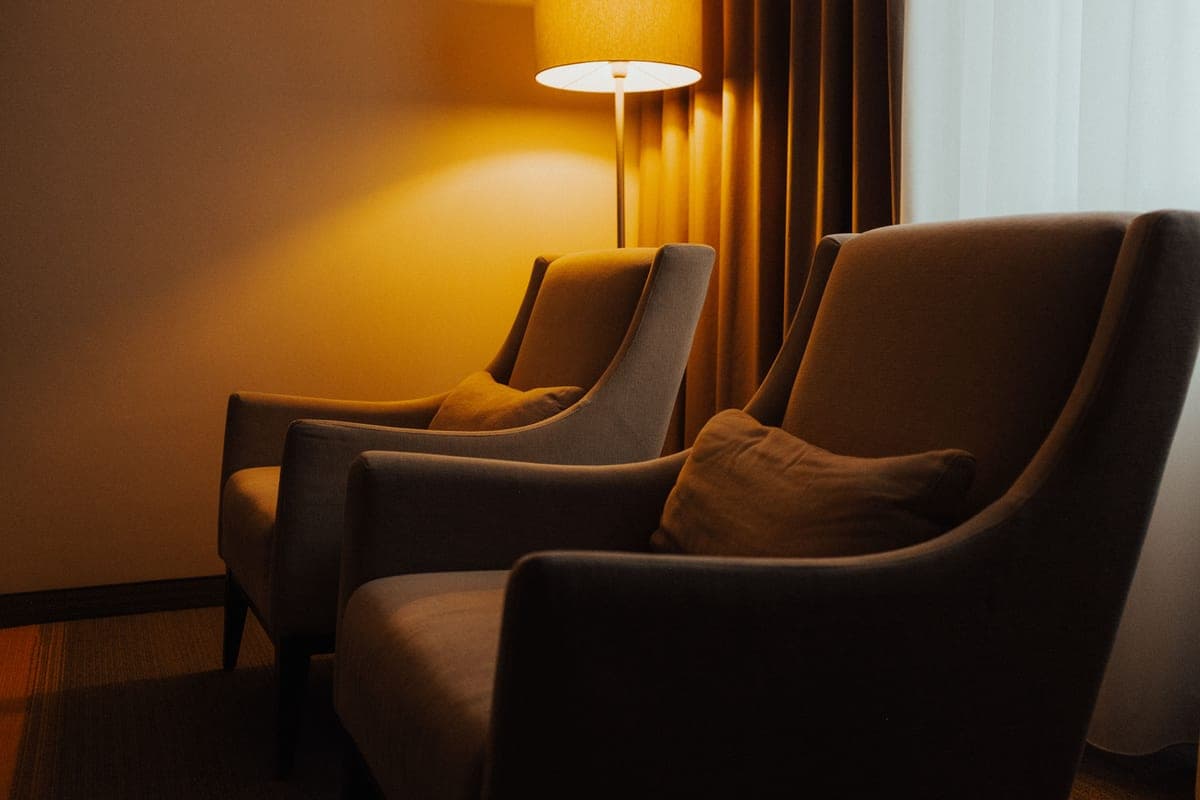
Put a bright, adjustable lamp just behind and to the side of the shoulder, angled down onto the page — not overhead, and never facing the reader. That single change makes more difference than most magnifiers, and it is the thing almost every home gets wrong.
The reason is physics as much as eyesight. Light reaching the retina falls substantially with age, so the same room that was comfortable at forty is dim at eighty. More light on the page, with the source out of the line of sight, is the whole technique.
This is general information about products, not medical advice. Talk to your doctor or occupational therapist about your own situation.
Some links on this page go to Amazon. If you buy something, we may earn a small commission at no extra cost to you — it never changes which products we pick or the order they appear in. Full disclosure.
The setup, step by step
- Put the lamp behind the shoulder, on the same side as the better eye, angled down onto the page.
- Position it close — 12 to 18 inches from the page. Light falls off sharply with distance, so a lamp across the room contributes almost nothing.
- Choose a bright bulb: 800 to 1,100 lumens or more for a reading lamp. Lumens, not watts, is the figure to read.
- Pick a neutral to cool white, around 4000K to 5000K. Warmer bulbs feel cozier and show less contrast on printed text.
- Make sure the bulb is shielded so it cannot be seen directly from the reading position. Visible bulbs cause glare, and glare is worse than dimness.
- Add a second light in the room, so there is no sharp contrast between a bright page and a dark room — that contrast is tiring to the eye.
Quick picks
| # | Product | Best for | Score | Price |
|---|---|---|---|---|
| 1 | Adjustable LED Reading Floor LampA gooseneck floor lamp positions light exactly where it is needed, and stays out of the line of sight. | Light over the shoulder onto the page | 8.8 | Check price on Amazon #ad Prices change daily, so we send you to check today's. How we earn |
| 2 | 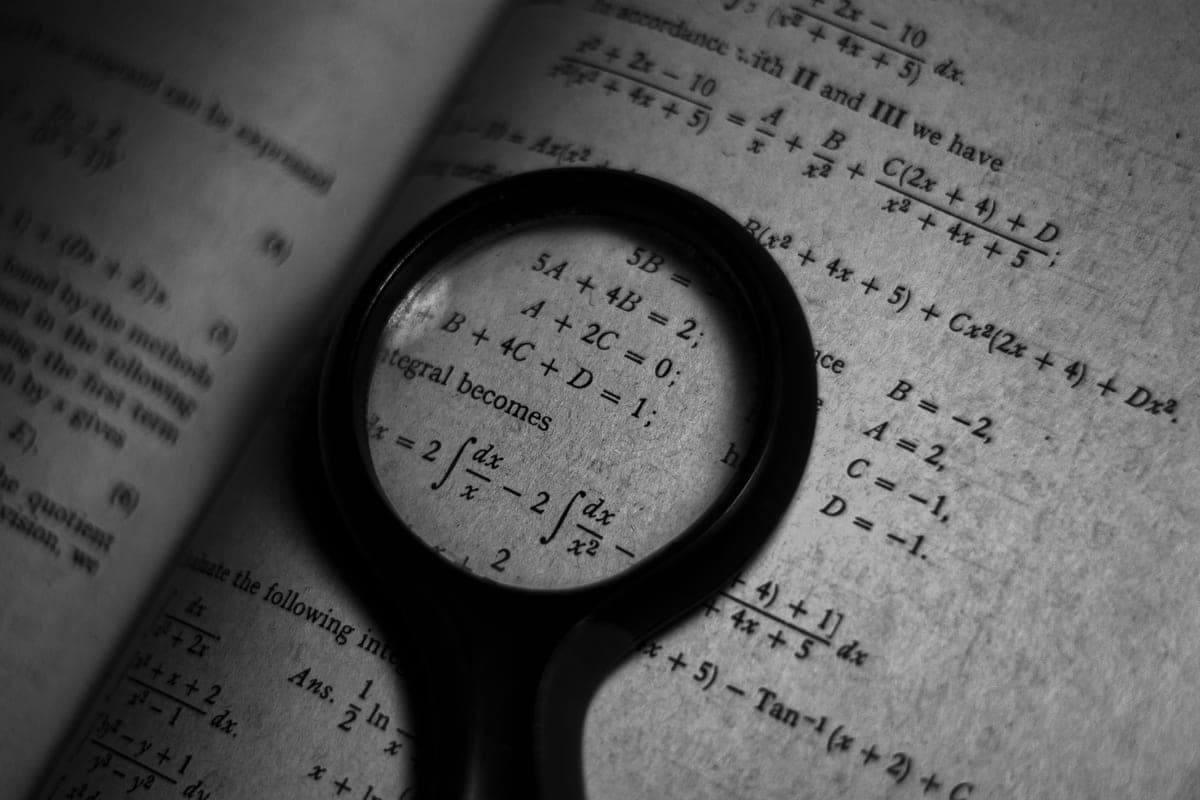 Carson LED Lighted Hand MagnifierA lit magnifier for the times good lighting is not quite enough. | The next step after light | 8.2 | Check price on Amazon #ad Prices change daily, so we send you to check today's. How we earn |
| 3 | Eschenbach Mobilux LED Handheld MagnifierAspheric optics that stay sharp to the edge, for reading rather than glancing. | Sustained reading | 9.0 | Check price on Amazon #ad Prices change daily, so we send you to check today's. How we earn |
Tap any row to jump to the full write-up. The price button goes to Amazon.
How we picked
We don’t run a product lab. Every pick here is chosen by reading the things that actually tell you whether something works for weak hands, poor eyesight or shaky fingers: the manufacturer’s own specifications, the retailer listing, the measurements and weights, and what owners report in their reviews — especially the one-star ones. We read the complaints before the praise.
Prices change constantly, so we send you to Amazon to see today’s price rather than printing a number that goes stale. More about how we choose.
The picks in full
1. Best for light over the shoulder onto the page
Adjustable LED Reading Floor Lamp
Brightech · 8.8/10 on our rubric
#ad Prices change daily, so we send you to check today's. How we earn
A gooseneck floor lamp positions light exactly where it is needed, and stays out of the line of sight.
A floor lamp with a flexible neck is the right shape for this job: it reaches over the shoulder of an armchair and points down at the page, which a table lamp usually cannot.
Look for a dimmable model with adjustable color temperature, so the same lamp suits reading and television.
Good
- Positions light over the shoulder
- Adjustable arm and often adjustable color
- Bright enough for sustained reading
Watch out for
- Needs floor space and a outlet near the chair
- Check the stated lumens, not the wattage
| Type | Adjustable floor lamp |
|---|---|
| Brightness | Look for 800+ lumens |
| Color | Adjustable or 4000-5000K |
| Position | Behind and to the side of the shoulder |
2. Best for the next step after light
Carson LED Lighted Hand Magnifier
Carson · 8.2/10 on our rubric
#ad Prices change daily, so we send you to check today's. How we earn
A lit magnifier for the times good lighting is not quite enough.
Keep one in the room where small print turns up, rather than one in a drawer somewhere.
Good
- Light and magnification together
- Cheap enough for several
- Easy to hold
Watch out for
- Edge distortion compared with premium optics
- Batteries
| Type | Handheld lit magnifier |
|---|---|
| Light | Built-in LED |
| Best for | Labels, bills, recipes |
| Keep it | Where small print happens |
3. Best for sustained reading
Eschenbach Mobilux LED Handheld Magnifier
Eschenbach · 9.0/10 on our rubric
#ad Prices change daily, so we send you to check today's. How we earn
Aspheric optics that stay sharp to the edge, for reading rather than glancing.
For reading a book or a newspaper, lens quality matters more than magnification. This is the step up.
Good
- Sharp edge to edge
- Even LED light
- Comfortable for a whole article
Watch out for
- More expensive
- Batteries
| Lens | Aspheric |
|---|---|
| Light | LED |
| Best for | Sustained reading |
| Weight | Light enough to hold |
Glare is the enemy, not darkness
An aging lens scatters light more than a young one, which is why glare is so much more disabling with age. A bare bulb in the line of sight, or a glossy magazine page reflecting a lamp, washes out contrast completely.
The fixes are simple: shield the bulb, angle the lamp so reflections bounce away rather than back, use matte rather than glossy paper where you can, and avoid sitting facing a bright window.
If someone complains about bright light and poor vision at the same time, glare is usually what they mean, and the answer is better-directed light rather than less of it.
Lighting the rest of the house
- Brighter bulbs throughout, which is the single cheapest improvement in any home with low vision.
- Task lighting under kitchen cabinets, aimed at the countertop rather than the room.
- Motion-sensor night lights along the route from bedroom to bathroom.
- Even lighting in hallways and stairs — pools of light and shadow are a trip hazard in themselves.
- Light switches at both ends of every corridor and staircase.
- A flashlight within reach of the bed and another in the kitchen.
When light is not enough
If a well-lit page is still unreadable, the next steps are magnification and contrast, in that order: a lit handheld magnifier for occasional use, or an electronic magnifier with contrast reversal for serious vision loss.
And before either, an eye test. Light and magnification are the right tools for permanent loss such as macular degeneration; they are the wrong answer to a cataract or an old prescription, both of which are fixable.
Sudden vision change, flashes, new floaters or a curtain across the vision need same-day medical attention. Those are not lighting problems.
Questions people ask
▸Where should a reading lamp be placed?
Behind and slightly to the side of the shoulder, on the same side as the better eye, angled down onto the page and 12 to 18 inches away. Never overhead and never facing the reader.
▸How bright should a reading light be for an older adult?
Look for 800 to 1,100 lumens or more for the reading lamp itself, with a second softer light in the room so the page is not a bright island in a dark space.
▸What color light is best for reading?
Neutral to cool white, roughly 4000K to 5000K, which renders contrast on printed text better than warm bulbs. Warm light feels cozier but makes text harder to resolve.
▸Why does bright light sometimes make seeing harder?
Glare. An aging lens scatters light, so a visible bulb or a reflection off a glossy page washes out contrast. Shield the bulb, angle the lamp, and avoid glossy paper.
Sources
Read next
Best magnifier
Best magnifiers for low vision
Optical and electronic magnifiers compared for reading, labels and close work.
Read the guide →

Guide
Setting up a kitchen for arthritic hands
The free rearranging first, then the handful of tools worth buying.
Read the guide →
Guide
Home safety checklist for aging in place
Room by room: what to fix first, what it costs, and what to stop worrying about.
Read the guide →
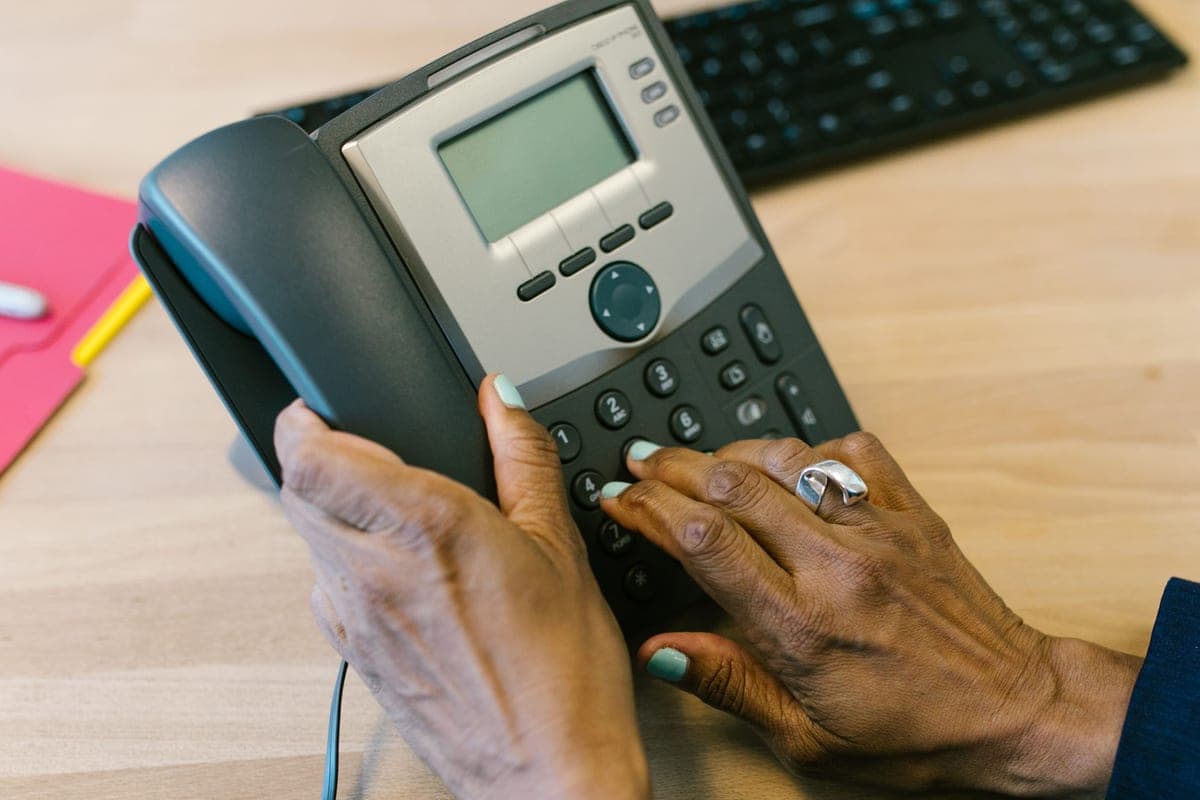
Best big-button keys
Best large button cell phones for seniors
Phones with physical keys big enough to find without looking, including two with spoken digits.
Read the guide →