What to look for in a phone for an older adult
Eight checks, in the order they matter. Most of them are not on the front of the box.
By Selena H. · Last checked October 13, 2026 · How we keep pages current
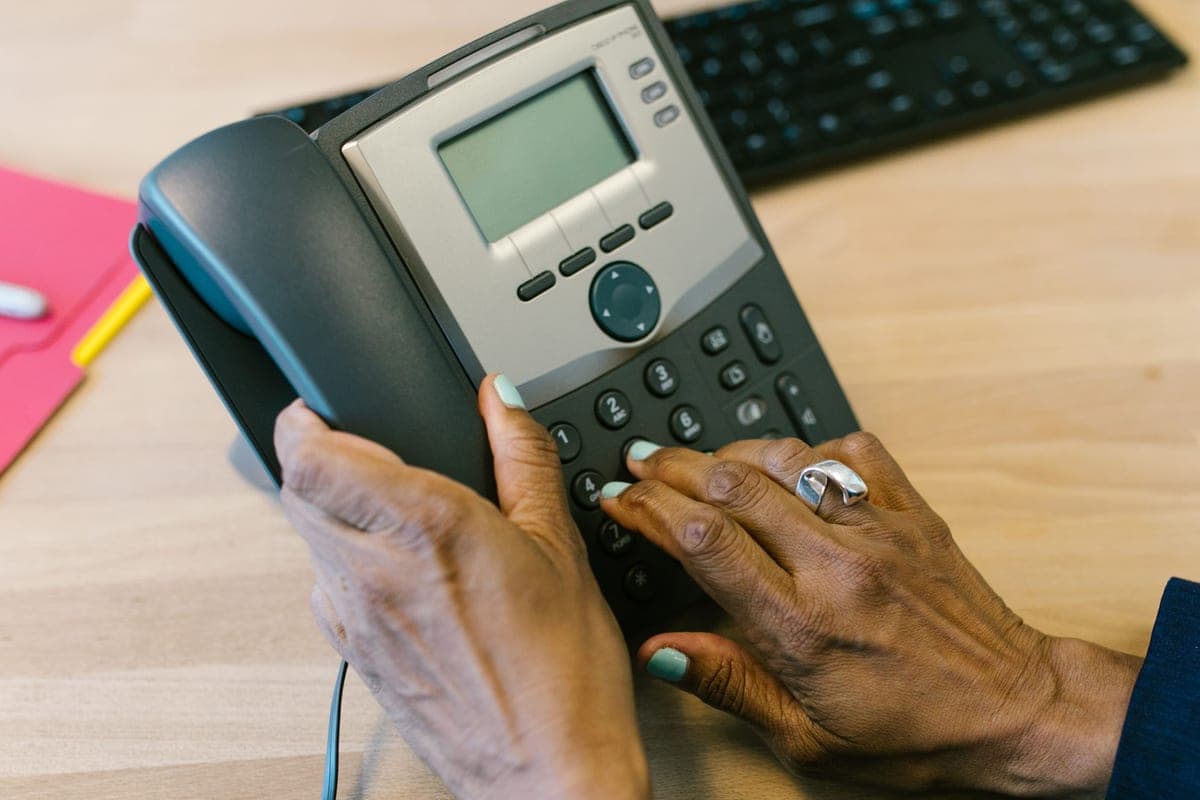
Start with the hearing-aid rating, then the keys, then what the emergency button actually dials. Those three decide most of it. Screen size, camera and storage — the specifications phone marketing leads with — barely matter for this buyer.
Here is the full list, in the order we would check it, with the specific thing to look for in the listing rather than a general principle.
Some links on this page go to Amazon. If you buy something, we may earn a small commission at no extra cost to you — it never changes which products we pick or the order they appear in. Full disclosure.
The eight checks
- Hearing-aid compatibility. Look for M3/T3 at minimum, M4/T4 ideally. The T rating is the one that matters if hearing aids have a telecoil setting.
- Key feel and spacing. Separated, domed keys with a definite click. Big printed numbers on flat keys are not the same thing.
- What the emergency button does. Some dial 911, some dial family, some require a paid monitoring plan. Find out which before relying on it.
- Charging method. A drop-in dock beats a cable for shaky hands, and it keeps the phone in one known place.
- Network generation. It must say 4G or LTE. 3G networks are off, and those phones will not connect.
- Locked or unlocked. A locked phone ties you to one carrier's plan, which is frequently more expensive over two years than the phone itself.
- Whether the menu can be changed by accident. A fixed home screen is a feature. If the listing boasts about customization, that is a warning for this buyer.
- Who will set it up. Picture keys, contacts and font size need doing once. If nobody will do it, buy something useful out of the box.
Quick picks
| # | Product | Best for | Score | Price |
|---|---|---|---|---|
| 1 | 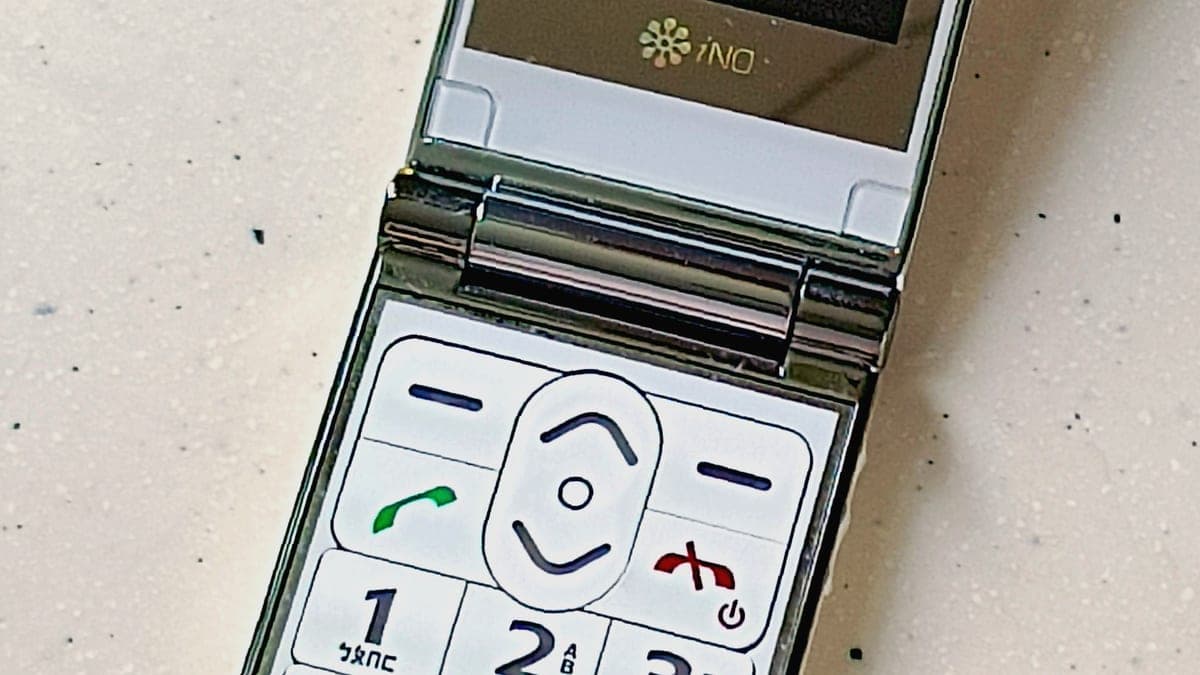 Nokia 2780 FlipCurrent 4G, real keys, a dedicated emergency key and an unlocked option — it ticks most boxes above. | Meeting most of the checklist | 8.4 | Check price on Amazon #ad Prices change daily, so we send you to check today's. How we earn |
| 2 | 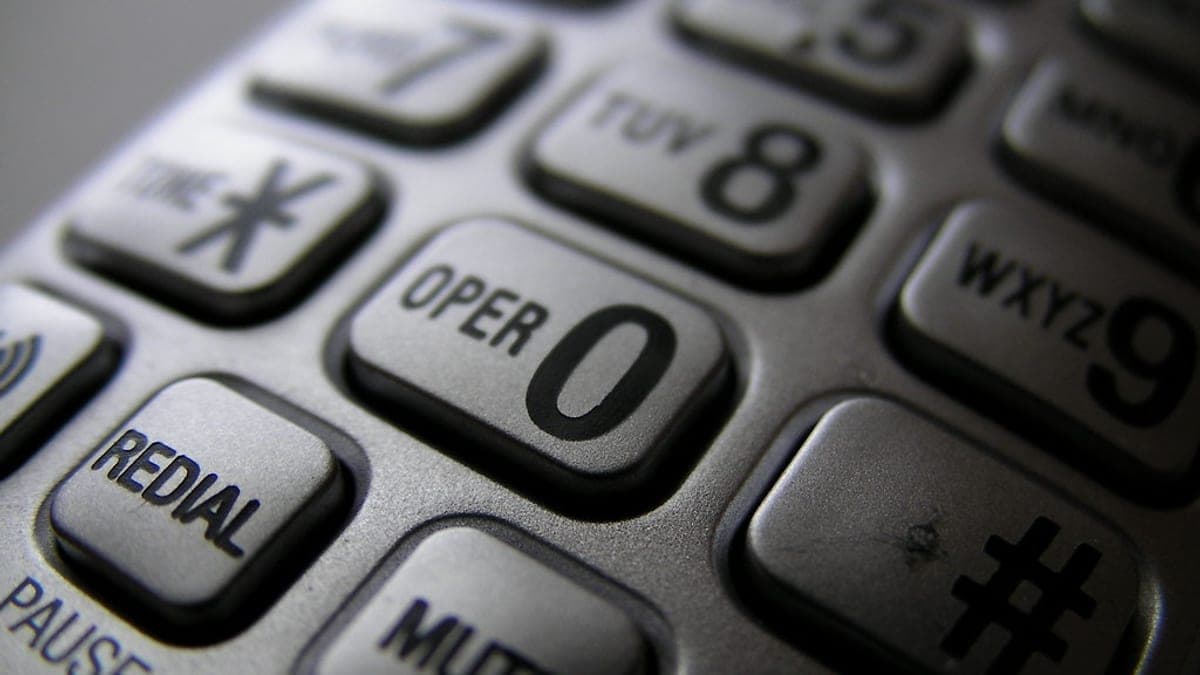 VTech SN5147 Amplified Corded/Cordless PhoneIf the first check — hearing — is the one that fails, this is the phone to buy. | When hearing tops the checklist | 8.6 | Check price on Amazon #ad Prices change daily, so we send you to check today's. How we earn |
Tap any row to jump to the full write-up. The price button goes to Amazon.
How we picked
We don’t run a product lab. Every pick here is chosen by reading the things that actually tell you whether something works for weak hands, poor eyesight or shaky fingers: the manufacturer’s own specifications, the retailer listing, the measurements and weights, and what owners report in their reviews — especially the one-star ones. We read the complaints before the praise.
Prices change constantly, so we send you to Amazon to see today’s price rather than printing a number that goes stale. More about how we choose.
The picks in full
1. Best for meeting most of the checklist
Nokia 2780 Flip
Nokia (HMD) · 8.4/10 on our rubric
#ad Prices change daily, so we send you to check today's. How we earn
Current 4G, real keys, a dedicated emergency key and an unlocked option — it ticks most boxes above.
If you want one phone that satisfies most of this checklist without further research, this is it. The main gap is dialing help: there is no photo dialing or spoken digits.
Good
- Current 4G with manufacturer support
- Dedicated emergency key
- Available unlocked
Watch out for
- No photo dialing
- Check carrier lock on cheaper listings
| Network | 4G |
|---|---|
| Emergency | Dedicated key |
| Keys | Raised physical keypad |
| Lock | Unlocked versions available |
2. Best for when hearing tops the checklist
VTech SN5147 Amplified Corded/Cordless Phone
VTech · 8.6/10 on our rubric
#ad Prices change daily, so we send you to check today's. How we earn
If the first check — hearing — is the one that fails, this is the phone to buy.
Amplification is the specification no mobile can match. If calls are being missed or misheard at home, start here rather than with a better mobile.
Good
- Up to 50 dB amplification (manufacturer listing)
- Largest keys available
- Works in a power cut
Watch out for
- Landline required
- Not portable
| Amplification | Up to 50 dB (manufacturer listing) |
|---|---|
| Ringer | Extra loud |
| Dialing help | Photo speed-dial keys |
| Extras | Answering system, call blocker |
What the hearing-aid rating actually means
Phones sold in the United States carry an M rating and a T rating, each from 1 to 4. M is about how little interference the phone produces when a hearing aid is in its normal microphone mode. T is about how well the phone works with a hearing aid's telecoil, which picks up the phone's magnetic signal directly and usually gives the cleanest call.
M4/T4 is the best available and is what to look for. M3/T3 is acceptable. Anything lower, or a listing that does not mention it at all, is a phone that has not been designed with hearing aids in mind — which for this buyer is a meaningful omission rather than a detail.
The emergency button trap
"Emergency button" covers at least three different products. On some phones it dials 911 directly. On others it rings through a list of family numbers in order until someone answers. On senior-brand phones it often connects to a 24/7 monitoring service, which requires a monthly plan and stops working if that plan lapses.
None of these is wrong, but they are not interchangeable, and a family that believes they have bought monitoring when they have bought a speed dial to a daughter's mobile has bought a false reassurance. Read the listing, then test it once on the day it arrives.
If genuine monitoring is the goal, a dedicated medical alert is usually the better answer than a phone's button — it is worn, it is waterproof, and it works when the phone is in another room.
Questions to ask before you buy
- Will they carry it, or will it live on a table? That decides mobile versus amplified home phone.
- Is hearing or dexterity the bigger problem today? The answer changes the pick entirely.
- Does anyone need to be able to reach them at all times, or is this for outings?
- Is there Wi-Fi at home, and is there a landline?
- Who is going to set it up, and who gets the call when something goes wrong?
Questions people ask
▸What should I look for in a phone for an elderly parent?
Hearing-aid compatibility rated M4/T4, physical keys with real spacing, and a clear answer to what the emergency button dials. Then check it is 4G, and whether it is locked to a carrier.
▸Do seniors need a smartphone?
Only if they want what a smartphone does — photos from family, messaging apps, maps. If calls are the whole job, a simple phone will be used more and resented less.
▸What is M4/T4 hearing aid compatibility?
The highest ratings for interference (M) and telecoil performance (T) on a scale of 1 to 4. A phone rated M4/T4 works best with hearing aids, especially in telecoil mode, which usually gives the clearest call.
▸Is an emergency button on a phone enough?
Not for a fall. The phone has to be reachable, which it often is not. If genuine emergency cover is the goal, a worn medical alert is more reliable than any phone button.
Sources
Read next
Best overall phone
Best phones for seniors that are genuinely easy to use
Our main phone roundup: flip phones, big-button handsets and the one with photo dialing, sorted by constraint.
Read the guide →
Best flip phone
Best flip phones for seniors
Current 4G flip phones worth buying, ranked for one-handed use, key feel and call volume.
Read the guide →
Best big-button keys
Best large button cell phones for seniors
Phones with physical keys big enough to find without looking, including two with spoken digits.
Read the guide →

Best medical alert
Best medical alert systems for seniors
Alerts ranked by where they work and who answers, including no-monthly-fee options.
Read the guide →