Best medical alert systems for seniors
The right alert depends on three things: do they go out, will they wear it, and will someone answer.
By Selena H. · Last checked October 13, 2026 · How we keep pages current

Most families arrive here after a long night, and buy the most advertised system within an hour. Slow down for ten minutes, because three questions decide this and none of them is brand. Does the person leave the house? Will they actually wear the thing? And is there someone who will reliably answer a phone call at three in the morning?
Answer those and the category narrows fast. Someone who gardens and shops needs a mobile unit with GPS, not an in-home base. Someone who will not wear a pendant needs wall buttons or a watch. And a household with no reliable family responder needs a monitored service with trained operators, which is what the monthly fee buys.
We are going to be straight about something the industry blurs: the best-known monitored services — Medical Guardian, Bay Alarm Medical, MobileHelp, Lifeline — are sold directly with their own plans, so they are not picks on this page and we earn nothing from them. They are covered below because for some households a trained operator is the right answer and no gadget replaces it.
This is general information about products, not medical advice. Talk to your doctor or occupational therapist about your own situation.
Some links on this page go to Amazon. If you buy something, we may earn a small commission at no extra cost to you — it never changes which products we pick or the order they appear in. Full disclosure.
Quick picks
Ranked for how little strength, eyesight or patience they need — not for how much they cost.
| # | Product | Best for | Score | Price |
|---|---|---|---|---|
| 1 | LogicMark Guardian Alert 911 PlusDials 911 directly over its own 4G connection with no subscription at all. | No monthly fee, anywhere you go | 8.8 | Check price on Amazon #ad Prices change daily, so we send you to check today's. How we earn |
| 2 | 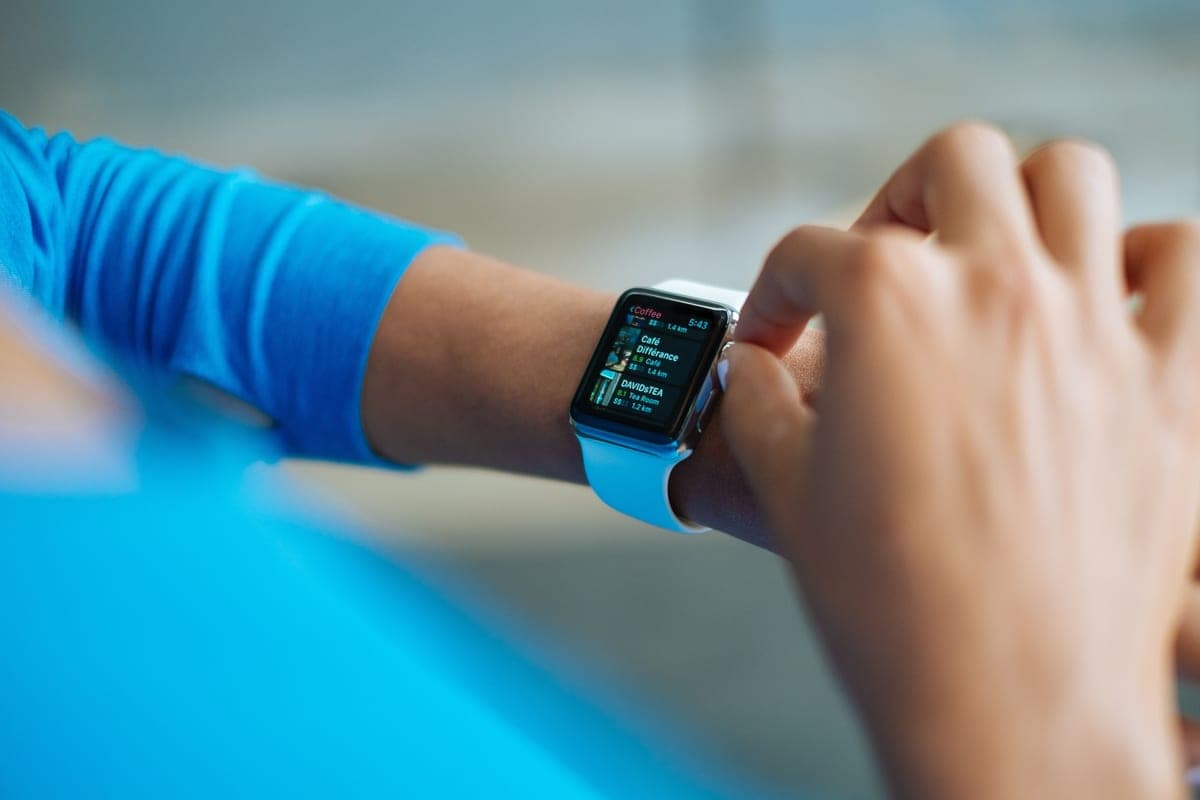 Apple Watch SEFall detection and emergency calling on a device people are willing to wear every day. | Someone who will wear a watch but not a pendant | 8.6 | Check price on Amazon #ad Prices change daily, so we send you to check today's. How we earn |
| 3 | CallToU Wireless Caregiver PagerA call button and a receiver — all the help a household with someone else in it usually needs. | Someone with family in the house | 8.4 | Check price on Amazon #ad Prices change daily, so we send you to check today's. How we earn |
| 4 | Silent Beacon 2.0A button that calls and messages a chosen list of people, with no subscription. | Alerting family rather than 911 | 8.0 | Check price on Amazon #ad Prices change daily, so we send you to check today's. How we earn |
| 5 | Daytech Wireless SOS Call Button SystemStick buttons on the walls where falls actually happen, rather than hoping a pendant is being worn. | Wall buttons where falls are likely | 8.2 | Check price on Amazon #ad Prices change daily, so we send you to check today's. How we earn |
Tap any row to jump to the full write-up. The price button goes to Amazon.
Pick by what’s hard
Most lists sort by price. That is not how this decision actually gets made, so here it is sorted by the thing that is getting in the way.
- They go out alone
- LogicMark Guardian Alert 911 Plus — you need a device with its own cellular connection and GPS. An in-home base unit does nothing in a supermarket parking lot.
- They will not wear a pendant
- Apple Watch SE — a watch gets worn because it is a watch. If a watch is also refused, wall buttons are the realistic fallback.
- Someone else is in the house
- CallToU Wireless Caregiver Pager — a caregiver pager solves the real problem — calling the person in the next room — for the price of one month of monitoring.
- Nobody can reliably answer a call
- this is the case where a monitored service earns its fee. A trained operator stays on the line, knows the address and the medication list, and escalates. See the section below.
- The budget is genuinely fixed
- Daytech Wireless SOS Call Button System — wall buttons plus a pager cover most of the risk for very little money. It is not as good as monitoring; it is far better than nothing.
How we picked
We don’t run a product lab. Every pick here is chosen by reading the things that actually tell you whether something works for weak hands, poor eyesight or shaky fingers: the manufacturer’s own specifications, the retailer listing, the measurements and weights, and what owners report in their reviews — especially the one-star ones. We read the complaints before the praise.
Prices change constantly, so we send you to Amazon to see today’s price rather than printing a number that goes stale. More about how we choose.
The picks in full
1. Best for no monthly fee, anywhere you go
LogicMark Guardian Alert 911 Plus
LogicMark · 8.8/10 on our rubric
#ad Prices change daily, so we send you to check today's. How we earn
Dials 911 directly over its own 4G connection with no subscription at all.
This is the device families buy when the monthly fee is the obstacle. It connects over its own cellular link, so it works away from the house with no phone needed, and the press of its button opens a two-way voice call to 911 dispatch. LogicMark states fall detection and several days of battery life on the current generation.
What you give up is the monitoring center. Nobody who knows the person's address, medication list and front-door code is on the line — you get 911, which is excellent at emergencies and has no context about anything else. For a genuine fall that is usually what you want; for the 2am "I have fallen but I am all right" call it is less ideal.
Good
- No monthly fee of any kind
- Works away from home on its own cellular connection
- Two-way voice straight to 911 dispatch
Watch out for
- Calls 911, not a monitoring center that knows the person
- Higher up-front cost than a subscription device
| Monthly fee | None |
|---|---|
| Works | At home and out, on 4G |
| Call goes to | 911 dispatch, two-way voice |
| Fall detection | Built in (manufacturer listing) |
How it scores
- Works where they live9.2
- Likely to be worn8.4
- Who answers7.6
- Total cost9.4
2. Best for someone who will wear a watch but not a pendant
Apple Watch SE
Apple · 8.6/10 on our rubric
#ad Prices change daily, so we send you to check today's. How we earn
Fall detection and emergency calling on a device people are willing to wear every day.
The single biggest failure of medical alerts is that they sit in a drawer. A watch is worn because it is a watch, and that alone makes it more protective than a better device nobody puts on.
Apple's fall detection calls emergency services and notifies chosen contacts if there is no response after a hard fall, and the SE is the inexpensive model that includes it. It also does the ordinary things that keep people wearing it — the time in large digits, medication reminders, a step count.
Two honest limits: it must be charged daily, which is a new habit, and a cellular model plus plan is needed for it to call for help when the phone is in another room. Set that up or the protection is partial.
Good
- Actually gets worn, which is the whole game
- Fall detection plus emergency calling and contact alerts
- Useful every day, not only in a crisis
Watch out for
- Needs charging daily
- Cellular model and plan required to call for help away from the phone
| Monthly fee | None for the watch; cellular plan optional but recommended |
|---|---|
| Fall detection | Yes, with automatic emergency call |
| Battery | About a day — daily charging |
| Also does | Time, reminders, activity |
How it scores
- Works where they live8.8
- Likely to be worn9.4
- Who answers8.0
- Total cost7.4
3. Best for someone with family in the house
CallToU Wireless Caregiver Pager
CallToU · 8.4/10 on our rubric
#ad Prices change daily, so we send you to check today's. How we earn
A call button and a receiver — all the help a household with someone else in it usually needs.
When there is a spouse or an adult child under the same roof, the problem is not summoning an ambulance. It is being able to call someone from the bathroom without shouting. A caregiver pager solves exactly that for a fraction of any subscription.
Buy extra buttons: one by the bed, one in the bathroom, one on a lanyard. The receiver plugs into a outlet wherever the carer usually is.
Good
- No fee, no contract, no account
- Extra buttons are cheap, so every room can have one
- Loud enough to hear across a house
Watch out for
- Only reaches someone in range — it does not call for outside help
- Batteries in the buttons need replacing occasionally
| Monthly fee | None |
|---|---|
| Works | Within the home, within range |
| Alerts | A receiver carried or plugged in nearby |
| Expandable | Extra buttons and receivers |
How it scores
- Works where they live7.0
- Likely to be worn8.6
- Who answers8.8
- Total cost9.8
4. Best for alerting family rather than 911
Silent Beacon 2.0
Silent Beacon · 8.0/10 on our rubric
#ad Prices change daily, so we send you to check today's. How we earn
A button that calls and messages a chosen list of people, with no subscription.
This one pairs with a phone and sends a call plus a location message to contacts you choose. For a person who is out and about and wants family to know rather than wanting an ambulance, that is often the more useful response.
It depends on the paired phone being present and charged, so it is not a replacement for a standalone device at home.
Good
- No subscription
- Alerts a chosen list with location
- Doubles as a personal safety alarm
Watch out for
- Needs a paired phone nearby
- Family must be reachable for it to help
| Monthly fee | None |
|---|---|
| Requires | A paired smartphone |
| Alerts | Chosen contacts, with location |
| Extras | Audible alarm |
How it scores
- Works where they live7.8
- Likely to be worn8.0
- Who answers7.4
- Total cost9.2
5. Best for wall buttons where falls are likely
Daytech Wireless SOS Call Button System
Daytech · 8.2/10 on our rubric
#ad Prices change daily, so we send you to check today's. How we earn
Stick buttons on the walls where falls actually happen, rather than hoping a pendant is being worn.
The weakness of every worn alert is that it has to be worn. Wall buttons in the bathroom, beside the bed and at the bottom of the stairs cover the three places where falls cluster, whether or not anyone remembered their pendant.
Use them alongside a worn device rather than instead of one. They cost little enough that there is no reason to choose.
Good
- Covers the rooms where falls happen
- Cheap enough to fit several
- No fee, no account
Watch out for
- Only useful if the person can reach a button
- Range limited to the house
| Monthly fee | None |
|---|---|
| Fitting | Adhesive or screw to the wall |
| Alerts | Plug-in receiver |
| Best with | A worn device as well |
How it scores
- Works where they live7.6
- Likely to be worn9.0
- Who answers8.0
- Total cost9.6
Monitored services, and why they are not picks here
Medical Guardian, Bay Alarm Medical, MobileHelp and Lifeline sell monitored alerts with a monthly fee, typically in the mid-twenties to mid-thirties of dollars per month, with fall detection usually an extra charge on top. We do not earn anything from them and they are sold directly, so they cannot be picks on this page.
What the fee buys is a trained operator who answers within seconds, knows the person's address and medical notes, stays on the line, and calls family or an ambulance as the situation requires. For someone living alone with no nearby family, that is worth paying for and we would not pretend otherwise.
Two things to check before signing anything: what the advertised price excludes — the protection plan, the lockbox, fall detection — and whether there is a contract or an equipment deposit. The headline rate and the actual monthly bill are rarely the same number.
We earn nothing from any monitored service mentioned here. If the right answer for your household is one of them, buy it.
What to check before you buy
- Range if it is an in-home base: can they reach the garden, the garage, the end of the drive?
- Battery life and how charging works. A device that needs daily charging will be found flat.
- Waterproof rating, because the bathroom is where falls happen. A pendant taken off for the shower protects nobody.
- What happens when the button is pressed: an operator, 911, or a family list? These are different products.
- Whether fall detection costs extra, and what the manufacturer says about its reliability.
- How the responders get in. A lockbox with a key, agreed with family, prevents a broken door.
Questions people ask
▸What is the best medical alert system for seniors?
There isn't one best. Match it to the situation: a cellular device for someone who goes out, a watch for someone who refuses a pendant, a caregiver pager when family is in the house, and a monitored service when nobody can reliably answer.
▸Does Medicare pay for a medical alert system?
Original Medicare does not cover personal emergency response systems. Some Medicare Advantage plans include them as a supplemental benefit, and some state Medicaid waiver programs do. Check your specific plan rather than any general claim.
▸Are no-monthly-fee medical alerts any good?
Yes, for the right household. They dial 911 or family directly rather than a monitoring center, so there is no operator who knows the person. If family is reachable, that trade is often worth the saving.
▸Should the alert be worn in the shower?
Yes — the bathroom is where most household falls happen. Buy a device with a genuine waterproof rating rather than one that is only splash resistant, and check it is rated for showering, not just hand washing.
▸What happens if they press the button by accident?
On a monitored system, an operator answers and you tell them it was a mistake. On a 911 device, you speak to dispatch and say the same. Nobody is annoyed by this, and fear of a false alarm should never stop someone pressing.
Sources
Read next
Best with no monthly fee
Best medical alerts with no monthly fee
Subscription-free alerts, with the honest trade-off column nobody else prints.
Read the guide →
Best fall detection
Best fall detection devices for elderly adults
Devices with automatic fall detection, and a plain account of the limits.
Read the guide →
Head to head
Apple Watch vs a medical alert system
Watch versus monitored pendant, compared on wearing, battery, water and who responds.
Read the guide →
Head to head
Life Alert vs Medical Guardian
The contract, the equipment and the exit terms compared — plus the no-fee alternative.
Read the guide →
Guide
What is automatic fall detection?
A plain explanation of how it works, what it catches, and what it misses.
Read the guide →

Best rollator
Best rollators for seniors
Rollators ranked by weight, brake feel, wheel size and how small they fold.
Read the guide →