Best balance trainers for seniors
Balance training is the only thing that reduces fall risk at the source. It also has to be done safely.
By Selena H. · Last checked October 13, 2026 · How we keep pages current
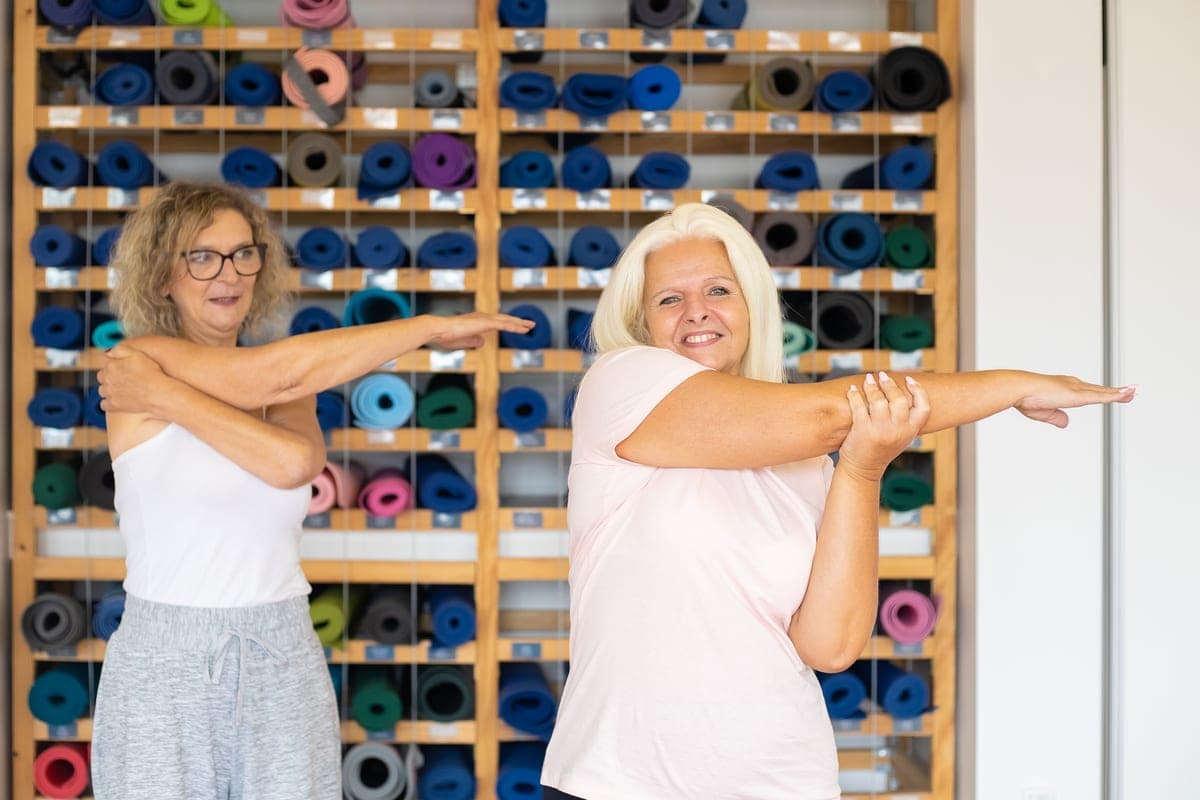
Everything else in home safety manages the consequences of a fall. Balance training is the only intervention that reduces the chance of one happening, and the evidence for it is strong enough that fall-prevention programs are built around it.
It also carries an obvious irony: practicing balance means deliberately being slightly unsteady, which for someone at risk of falling has to be set up carefully. The rule is simple and non-negotiable — always within arm's reach of a solid counter or a sturdy chair back, never a wobbly table, never alone if balance is poor.
Start with no equipment at all. Standing with the feet together at a counter, then one foot in front of the other, then on one leg, is a complete program for the first month. Buy a balance pad when those have become easy, not before.
This is general information about products, not medical advice. Talk to your doctor or occupational therapist about your own situation.
Some links on this page go to Amazon. If you buy something, we may earn a small commission at no extra cost to you — it never changes which products we pick or the order they appear in. Full disclosure.
Quick picks
Ranked for how little strength, eyesight or patience they need — not for how much they cost.
| # | Product | Best for | Score | Price |
|---|---|---|---|---|
| 1 | Balance Pad (foam)A firm foam pad that makes the floor slightly unstable — enough challenge, not too much. | The first piece of equipment | 8.9 | Check price on Amazon #ad Prices change daily, so we send you to check today's. How we earn |
| 2 | Balance Disc CushionSit on it for core work, or stand on it later for a harder ankle challenge. | Seated core work and ankle training | 8.4 | Check price on Amazon #ad Prices change daily, so we send you to check today's. How we earn |
| 3 | Standing Support Handle / Security PoleA fixed handle to practice beside — the safety half that makes balance training sensible at home. | The thing to hold on to | 8.4 | Check price on Amazon #ad Prices change daily, so we send you to check today's. How we earn |
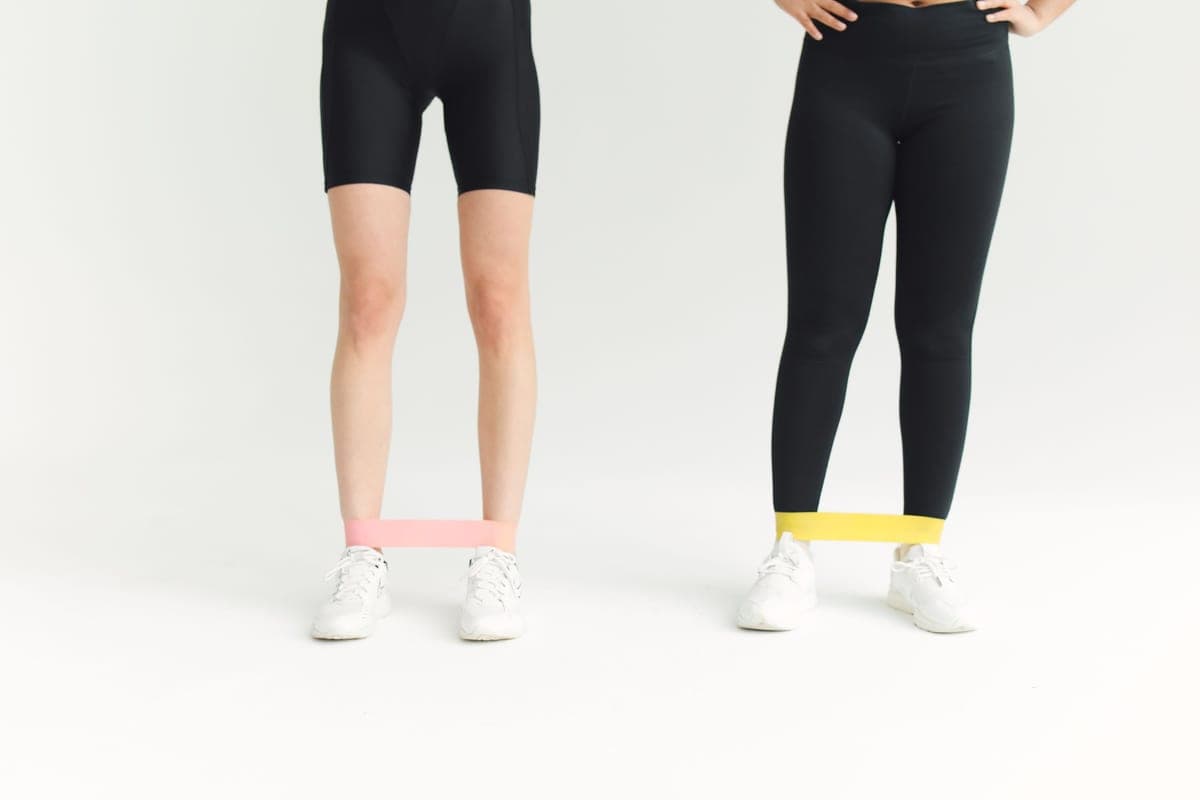
| 4 | Fit Simplify Loop Resistance BandsHip strength is half of balance, and loop bands build it sitting down. | The strength half of balance | 9.0 | Check price on Amazon #ad Prices change daily, so we send you to check today's. How we earn |
Tap any row to jump to the full write-up. The price button goes to Amazon.
Pick by what’s hard
Most lists sort by price. That is not how this decision actually gets made, so here it is sorted by the thing that is getting in the way.
- Already unsteady
- Standing Support Handle / Security Pole — fit the handhold first and practice at a counter with no equipment at all. Unstable surfaces come later, if ever.
- Ready for a gentle challenge
- Balance Pad (foam) — a foam pad beside a counter, with the hand progression from two hands to none over several weeks.
- Cannot stand for long
- Balance Disc Cushion — use it seated for core work, which is where standing balance partly comes from anyway.
- Legs feel weak as well as unsteady
- Fit Simplify Loop Resistance Bands — hip strength is half of balance. Loop band work seated builds it with no fall risk at all.
- Has already fallen
- ask the doctor for a falls assessment and a referral to a structured program such as A Matter of Balance. Those are more effective than home equipment, and often free locally.
How we picked
We don’t run a product lab. Every pick here is chosen by reading the things that actually tell you whether something works for weak hands, poor eyesight or shaky fingers: the manufacturer’s own specifications, the retailer listing, the measurements and weights, and what owners report in their reviews — especially the one-star ones. We read the complaints before the praise.
Prices change constantly, so we send you to Amazon to see today’s price rather than printing a number that goes stale. More about how we choose.
The picks in full
1. Best for the first piece of equipment
Balance Pad (foam)
Yes4All · 8.9/10 on our rubric
#ad Prices change daily, so we send you to check today's. How we earn
A firm foam pad that makes the floor slightly unstable — enough challenge, not too much.
Standing on foam forces the ankles and hips to make constant small corrections, which is exactly the system that needs training. It is a gentle step up from solid ground rather than a dramatic one.
Use it beside a counter, two hands on at first, then one, then a fingertip. That progression is the whole program for several weeks.
Good
- Gentle, controllable increase in difficulty
- Large enough for both feet
- Light to move and easy to store
Watch out for
- Never use it away from a counter or sturdy chair
- Firmness varies between brands — a softer pad is harder, not easier
| Type | Firm foam pad |
|---|---|
| Use | Both feet, beside a counter |
| Progression | Two hands, one hand, fingertip, none |
| Storage | Under a bed or against a wall |
How it scores
- Suitable for beginners9.0
- Progression available8.6
- Safety8.8
- Value9.2
2. Best for seated core work and ankle training
Balance Disc Cushion
Vive Health · 8.4/10 on our rubric
#ad Prices change daily, so we send you to check today's. How we earn
Sit on it for core work, or stand on it later for a harder ankle challenge.
A balance disc has two lives. Sitting on it during television turns passive sitting into gentle core work, which is both safe and easy to remember. Standing on it later — one foot, beside a counter — is a genuinely difficult ankle challenge.
Start with it on a chair, not on the floor. Standing on an inflated disc is advanced, and it is not where anyone should begin.
Good
- Safe seated use from day one
- Progresses to a real standing challenge
- Inflation adjusts the difficulty
Watch out for
- Standing on it is advanced — do not start there
- Needs occasional reinflation
| Type | Inflated disc cushion |
|---|---|
| Seated use | Core activation while sitting |
| Standing use | Advanced — counter required |
| Adjustment | Inflation level |
How it scores
- Suitable for beginners8.2
- Progression available9.0
- Safety8.0
- Value9.0
3. Best for the thing to hold on to
Standing Support Handle / Security Pole
Stander · 8.4/10 on our rubric
#ad Prices change daily, so we send you to check today's. How we earn
A fixed handle to practice beside — the safety half that makes balance training sensible at home.
The equipment that matters most in balance training is not the unstable surface, it is the stable thing beside it. A fitted support handle or floor-to-ceiling pole gives a solid handhold at the right height in a room without a suitable counter.
Fit it according to the instructions and test it hard with your own weight before anyone leans on it.
Good
- Provides the solid handhold that makes practice safe
- Useful for standing up as well as balance work
- Available in fitted and tension-mounted versions
Watch out for
- Must be installed exactly per instructions and tested before use
- Tension-mounted poles need a sound floor and ceiling
| Type | Support handle or floor-to-ceiling pole |
|---|---|
| Use | Handhold for balance practice and standing |
| Fitting | Per manufacturer instructions, then test |
| Alternative | A kitchen counter, which is free |
How it scores
- Suitable for beginners9.4
- Progression available6.0
- Safety9.4
- Value8.0
4. Best for the strength half of balance
Fit Simplify Loop Resistance Bands
Fit Simplify · 9.0/10 on our rubric
#ad Prices change daily, so we send you to check today's. How we earn
Hip strength is half of balance, and loop bands build it sitting down.
Balance is not only a sensing problem; it is also a strength problem. The hip muscles that stop a sideways stumble are trained most directly with a loop band above the knees.
This is the exercise to do on days when standing practice feels too much, and it can be done entirely seated.
Good
- Builds the hip strength balance depends on
- Can be done seated
- Very cheap
Watch out for
- Not balance practice itself
- Rubber loops can roll on bare skin
| Type | Loop bands |
|---|---|
| Use | Hip abduction, seated or standing |
| Grip needed | None |
| Pairs with | Standing balance practice |
How it scores
- Suitable for beginners9.4
- Progression available8.0
- Safety9.6
- Value9.6
The safety rules, which are not optional
- Always practice within arm's reach of a solid counter, a fitted handle or a heavy chair back. Never a table that can slide.
- If balance is poor, have someone else in the room. Not supervising, just present.
- Wear shoes with backs and non-slip soles. Not socks, not backless slippers.
- Clear the floor around you of rugs, cables and pets.
- Progress the hands, not the difficulty: two hands, then one hand, then one fingertip, then none. That is the progression.
- Stop if you feel dizzy, and tell the doctor about it — dizziness on standing is common, treatable, and a major cause of falls.
If there has been a fall in the past year, a doctor's falls assessment should come before home balance training. Many areas run free evidence-based classes, which work better than practicing alone.
A four-week starting program, with no equipment
- Week 1: stand at the counter with feet together, 30 seconds, three times a day.
- Week 2: feet in a line, heel to toe, 30 seconds each way. Hold the counter as much as you need.
- Week 3: the same, but with one hand on the counter instead of two.
- Week 4: stand on one leg, 10 seconds each side, hand on the counter. Build towards 30 seconds.
- Then: repeat the whole progression on a foam pad, starting again with two hands.
Questions people ask
▸Do balance exercises prevent falls?
Balance and strength training is the intervention with the strongest evidence for reducing falls, which is why fall-prevention programs are built around it. Equipment is optional; the practice is what matters.
▸Is a balance pad safe for an older adult?
Used beside a counter or a fitted handle, with shoes on and a clear floor, yes. Used in the middle of a room, no. The handhold is the important piece of equipment, not the pad.
▸How long should balance practice take?
A few minutes, several times a day, works better than one long session. Thirty seconds at the counter three times a day is a complete starting program.
▸What if someone is too unsteady to practice?
Start seated: hip strength work with a loop band, and ankle movements. Then ask a doctor about a falls assessment and a supervised class, which is safer than practicing alone.
Sources
Read next
Guide
Balance exercises to prevent falls
A four-week counter-based progression, and the non-exercise changes that matter as much.
Read the guide →
Best strength kit
Best resistance bands for seniors
Band types compared, with handles, loops and tubes for different grip strength.
Read the guide →
Guide
Chair exercises for seniors
A ten-movement seated routine with safety notes and how to progress it.
Read the guide →
Best fall detection
Best fall detection devices for elderly adults
Devices with automatic fall detection, and a plain account of the limits.
Read the guide →
Best cane
Best canes for balance
Folding, quad and offset canes compared, with the sizing rule that most people get wrong.
Read the guide →