No-contract cell phone plans for seniors
Nobody signs two-year contracts anymore. The question now is whether the phone locks you to one carrier.
By Selena H. · Last checked October 17, 2026 · How we keep pages current

Almost every US cell phone plan is now month to month, so no-contract is close to meaningless as a selling point. The decision that actually matters is whether the phone is locked to one carrier's service, because a locked senior phone commits you to that company's prices for as long as you keep the handset.
There are two routes. A senior-branded phone such as the Jitterbug comes with a service built around it: simplified menus, an urgent response button, and support staff used to older callers - but it only works on that company's plans. An unlocked simple phone works on any prepaid plan, which is usually cheaper, with no specialist support behind it.
Below is how the costs actually break down, the questions to ask before activating anything, and which route suits which household. We do not print prices here, because carrier pricing changes constantly and a stale figure is worse than none - get the current number from the carrier before you commit.
Some links on this page go to Amazon. If you buy something, we may earn a small commission at no extra cost to you — it never changes which products we pick or the order they appear in. Full disclosure.
Two routes, compared
Quick picks
| # | Product | Best for | Score | Price |
|---|---|---|---|---|
| 1 | 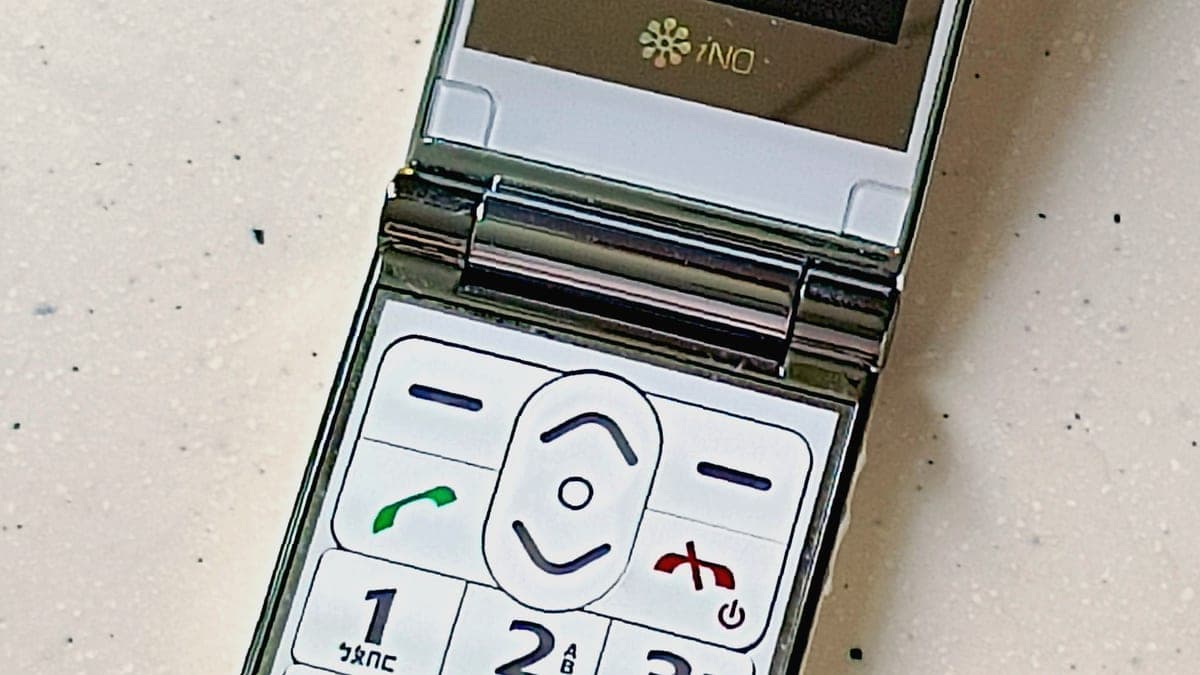 Easyfone Prime-A1 Pro Flip PhoneA simple flip phone that is not tied to one carrier, so you can shop the plan separately. | Unlocked, so any prepaid plan works | -- | Check price on Amazon #ad Prices change daily, so we send you to check today's. How we earn |
| 2 | TCL FLIP 4A current flip phone on modern networks, widely sold through prepaid carriers. | A modern network without a smartphone | -- | Check price on Amazon #ad Prices change daily, so we send you to check today's. How we earn |
| 3 | 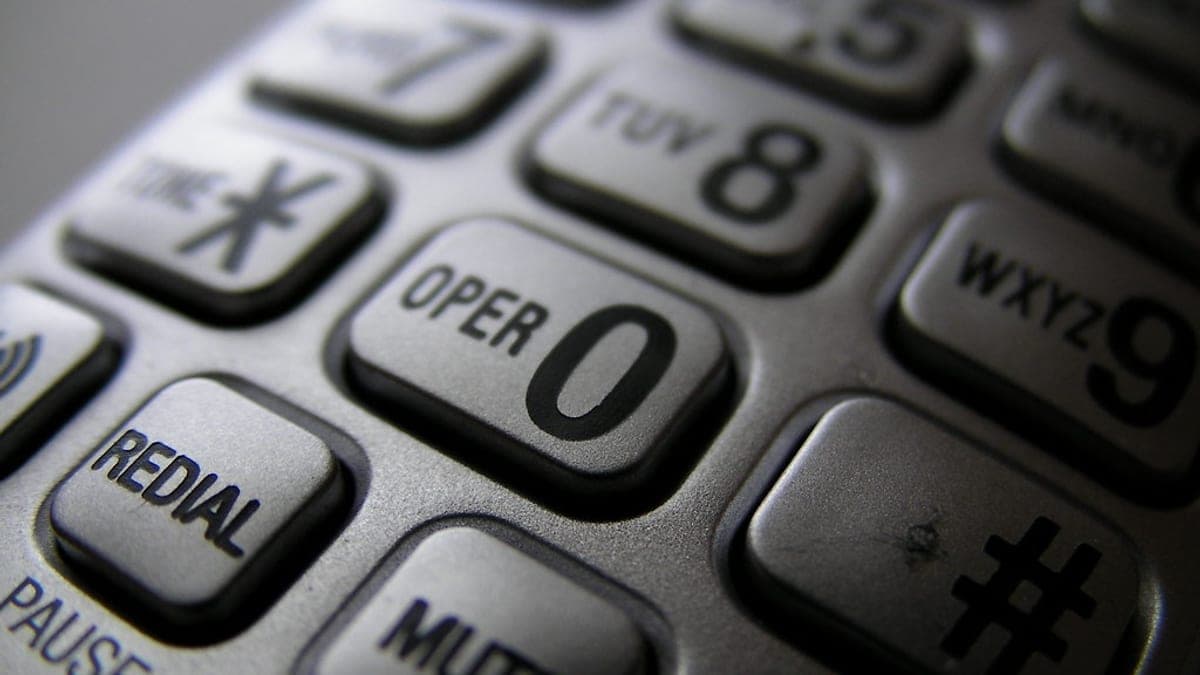 VTech SN5147 Amplified Corded/Cordless PhoneFor someone who never leaves the house alone, a landline is often cheaper and easier than any cell plan. | Keeping a home phone instead | -- | Check price on Amazon #ad Prices change daily, so we send you to check today's. How we earn |
Tap any row to jump to the full write-up. The price button goes to Amazon.
How we picked
We don’t run a product lab. Every pick here is chosen by reading the things that actually tell you whether something works for weak hands, poor eyesight or shaky fingers: the manufacturer’s own specifications, the retailer listing, the measurements and weights, and what owners report in their reviews — especially the one-star ones. We read the complaints before the praise.
Prices change constantly, so we send you to Amazon to see today’s price rather than printing a number that goes stale. More about how we choose.
The picks in full
1. Best for unlocked, so any prepaid plan works
Easyfone Prime-A1 Pro Flip Phone
Easyfone
#ad Prices change daily, so we send you to check today's. How we earn
A simple flip phone that is not tied to one carrier, so you can shop the plan separately.
Buying the phone and the plan separately is how you avoid being locked in. An unlocked simple phone takes a SIM from any prepaid carrier, and if the price goes up you change the SIM rather than the phone.
Photo speed dial buttons mean the people who matter are one press away, which is the single most useful feature on a phone for someone with memory difficulties.
Check coverage for the specific address before choosing a prepaid carrier - the cheapest plan is no use on a network with one bar in the kitchen.
Good
- Unlocked - works on any prepaid plan
- Photo speed dial
- Charging cradle, so no fiddly cable
Watch out for
- No specialist support line behind it
- You have to choose the plan yourself
| Locked | No - unlocked |
|---|---|
| Plan | Any compatible prepaid SIM |
| Key feature | Photo speed dial |
2. Best for a modern network without a smartphone
TCL FLIP 4
TCL
#ad Prices change daily, so we send you to check today's. How we earn
A current flip phone on modern networks, widely sold through prepaid carriers.
Older flip phones can stop working when carriers retire old network generations. A current model avoids that, which is worth checking on any bargain handset.
It is commonly offered by prepaid carriers directly, so it is often the simplest way to get a basic phone and a cheap plan in one transaction - just confirm whether that version is locked.
Good
- Current network support
- Widely available on prepaid
- Physical keys
Watch out for
- Carrier versions may be locked
- Menus are plainer than a senior-branded phone
| Type | Flip phone |
|---|---|
| Plan | Often sold with prepaid service |
| Check | Whether the version offered is locked |
3. Best for keeping a home phone instead
VTech SN5147 Amplified Corded/Cordless Phone
VTech
#ad Prices change daily, so we send you to check today's. How we earn
For someone who never leaves the house alone, a landline is often cheaper and easier than any cell plan.
It is worth asking whether a cell phone is needed at all. For someone who does not go out unaccompanied, an amplified home phone with big buttons and photo dial keys does the job better and usually costs less per month.
A home phone also never needs charging, which removes the most common reason a cell phone is not working when it is needed.
If there is any chance of being out alone, keep a simple cell phone as well - but the home phone can stay the main one.
Good
- Loud, amplified handset
- Large buttons and photo dial keys
- Never needs charging
Watch out for
- No use outside the house
- Needs a landline or a VoIP adapter
| Type | Amplified corded and cordless |
|---|---|
| Plan | Landline or VoIP service |
| Key feature | Amplification and photo dial |
Where the money actually goes
- The monthly plan. Tiered by minutes, texts and data. A phone used for calls and a few texts needs the smallest tier, and most households are sold a larger one.
- Activation fee. A one-off charge on many senior-branded services. It is frequently waived if you activate online or simply ask.
- The handset. Bought outright on nearly every prepaid and senior plan. There is no two-year subsidy anymore, so the phone price is a real line item.
- Add-on services. Urgent response, nurse advice lines and device setup help are usually separate monthly charges, not included in the base plan.
- Taxes and fees. Advertised prices rarely include them. Ask for the all-in monthly figure.
Questions to ask before activating
- Is the phone locked to your service, and what does it cost to unlock it later?
- Is there an activation fee, and will you waive it?
- What is the all-in monthly total including taxes and fees?
- Can we keep the existing phone number? Porting is a legal right, but start it before canceling the old service.
- Is there a cancellation fee, and what happens if the person moves into a care home?
- Which network does the service run on, and is the coverage good at this address? Ask for the carrier behind it, not just the brand.
- Does the plan include any emergency or urgent response feature, and is that a monitored service or just a dialer?
- Is there a discount for paying annually, and does it lock you in?
Never cancel the old service before the number has successfully transferred. Canceling first releases the number and it can be lost permanently.
When a senior-branded service is worth the premium
The premium buys three things: a simplified phone that cannot easily be put into a strange state, support staff who are used to explaining things slowly and more than once, and in some plans an urgent response button that reaches a trained operator.
For a household where nobody local can provide technical help, that support line is a genuine product rather than a markup. The alternative is an adult child on the phone at nine in the evening trying to describe a settings menu they cannot see.
Where there is a family member nearby who can set up a phone and troubleshoot it, the same money goes further on an unlocked phone and a cheap prepaid plan - with the difference spent on something else.
The urgent response button, and what it is not
Several senior phone plans include an urgent response button that connects to an operator. It is a useful feature and it is not equivalent to a medical alert system.
The difference is that the phone has to be on the person. A phone left on the kitchen counter helps nobody after a fall in the hallway, whereas a pendant or wristband is worn continuously. Phone-based buttons also depend on the phone being charged.
If falls are the actual concern, read our medical alert roundup and our guide to what a medical alert system costs. A phone button is a reasonable supplement and a poor substitute.
Keeping the bill honest after you sign up
- Check the first two bills line by line. Add-ons activated during the sales call show up here.
- Review the data allowance after three months. Most simple-phone users need the smallest tier available.
- Set up paperless billing on an email a family member can also see, so a problem is spotted early.
- Turn off any premium text services, which are a common source of small recurring charges.
- Re-check the plan annually. Carriers introduce cheaper tiers and rarely move existing customers onto them.
Discount programs worth asking about
Before settling on any plan, spend ten minutes on the programs that reduce the bill, because none of them are advertised at the point of sale. The federal Lifeline program provides a monthly discount on phone or internet service for households on a low income or enrolled in certain assistance programs, including Medicaid and SNAP. It is applied through participating carriers, limited to one benefit per household, and applied for directly rather than through a sales line.
Some carriers also run age-based plans with a reduced rate for customers over a certain age, typically with a modest allowance of minutes and texts. These are rarely offered unprompted. Ask whether there is a senior or simple plan that does not appear on the main pricing page.
Membership organizations are the third route. Discounts for AARP members, veterans and current or retired public service workers exist across several carriers, and they usually require nothing more than saying so during activation.
Finally, check whether the household is paying twice. A great many older adults keep a landline they no longer use alongside a cell phone, or carry a data allowance on a phone that never leaves the house. Cutting one of those usually saves more each month than any discount program adds.
Questions people ask
▸Do senior cell phone plans require a contract?
Almost none do. Nearly all US plans are month to month now. The thing to check is whether the phone itself is locked to that carrier, because that commits you to their pricing for as long as you keep the handset.
▸Is an unlocked phone on prepaid cheaper than a senior plan?
Usually yes on the monthly cost. What you give up is the specialist support line and any bundled urgent response feature. If a family member can handle setup and troubleshooting, the unlocked route is normally the better value.
▸Can I keep my phone number when I switch?
Yes. Number porting is a legal right in the US. Start the transfer with the new carrier before canceling the old service - canceling first releases the number and it may be lost for good.
▸Is the urgent response button on a senior phone the same as a medical alert?
No. It depends on the phone being carried and charged, whereas a medical alert pendant is worn continuously. Treat a phone button as a supplement to a medical alert system, not a replacement for one.
▸How much data does a simple phone plan need?
A basic flip phone used for calls and texts needs little or none. Most households are sold a larger tier than they use, so check the actual usage on the second bill and move down if there is room.
Sources
Read next
Best overall phone
Best phones for seniors that are genuinely easy to use
Our main phone roundup: flip phones, big-button handsets and the one with photo dialing, sorted by constraint.
Read the guide →
Best flip phone
Best flip phones for seniors
Current 4G flip phones worth buying, ranked for one-handed use, key feel and call volume.
Read the guide →
Guide
What to look for in a phone for an older adult
The buying checklist: what to verify before spending, and the traps in the listings.
Read the guide →
Best amplified phone
Best amplified phones for hard of hearing seniors
Amplified home phones ranked by boost, ringer volume and how usable the keypad is.
Read the guide →

Guide
How much does a medical alert system cost?
The real cost of a medical alert system, line by line, and the no-monthly-fee alternatives.
Read the guide →