How to make the TV easier to hear
Try the free fixes first. Two of them solve the problem for a lot of households.
By Selena H. · Last checked October 13, 2026 · How we keep pages current
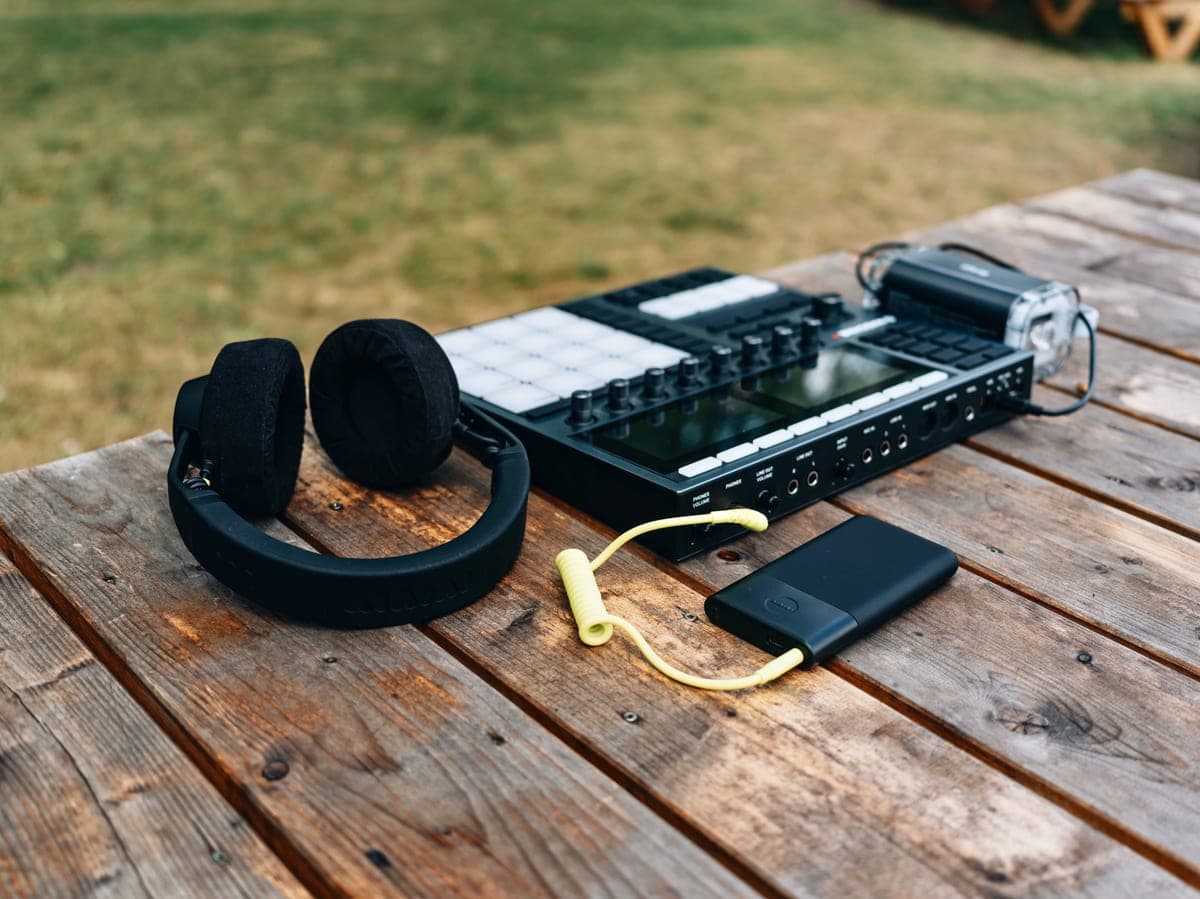
Start with the television's own sound settings: switch the sound mode to Speech, Dialogue or Clear Voice, turn off any surround or virtual-sound processing, and turn on subtitles. Those three take two minutes, cost nothing, and fix the problem for a surprising number of households.
If they are not enough, the next step depends on who needs help. One person with hearing loss needs their own volume — headphones or a personal speaker. A whole room struggling with mumbled dialogue needs a soundbar or better speaker placement.
This is general information about products, not medical advice. Talk to your doctor or occupational therapist about your own situation.
Some links on this page go to Amazon. If you buy something, we may earn a small commission at no extra cost to you — it never changes which products we pick or the order they appear in. Full disclosure.
The free fixes, in order
- Set the sound mode to Speech, Dialogue, Clear Voice or News. Every modern television has one of these and it boosts the frequencies speech lives in.
- Turn off surround sound, virtual sound and any "cinema" processing. These spread dialogue across channels and make it harder to follow.
- Turn on subtitles. The fastest fix of all, and the one people resist longest — try it for a week before deciding.
- Turn off night mode or dynamic range compression if dialogue is quiet and effects are loud; on some sets, turning it ON helps instead. Try both.
- Move the soundbar or speaker so it is not firing into a shelf or a wall, and not hidden behind the TV cabinet door.
- If the TV speakers fire downwards or backwards — most flat sets do — angle the television slightly, or put a hard surface behind it to reflect sound forwards.
Quick picks
| # | Product | Best for | Score | Price |
|---|---|---|---|---|
| 1 | TV Ears Original Wireless HeadsetSeparate volume and tone for one listener, with the room left alone. | One person, dialogue first | 9.0 | Check price on Amazon #ad Prices change daily, so we send you to check today's. How we earn |
| 2 | Avantree TV Headphones (dual-headset set)Two headsets, two volumes, and pass-through so the room still hears the television. | Two listeners with different needs | 8.6 | Check price on Amazon #ad Prices change daily, so we send you to check today's. How we earn |
Tap any row to jump to the full write-up. The price button goes to Amazon.
How we picked
We don’t run a product lab. Every pick here is chosen by reading the things that actually tell you whether something works for weak hands, poor eyesight or shaky fingers: the manufacturer’s own specifications, the retailer listing, the measurements and weights, and what owners report in their reviews — especially the one-star ones. We read the complaints before the praise.
Prices change constantly, so we send you to Amazon to see today’s price rather than printing a number that goes stale. More about how we choose.
The picks in full
1. Best for one person, dialogue first
TV Ears Original Wireless Headset
TV Ears · 9.0/10 on our rubric
#ad Prices change daily, so we send you to check today's. How we earn
Separate volume and tone for one listener, with the room left alone.
The tone dial is what makes it work: it lifts speech rather than making everything louder.
Good
- Tone control aimed at speech
- Light under-chin fit
- Simple dials
Watch out for
- Not hi-fi
- Check compatibility with your hearing aids
| Connection | Infrared transmitter |
|---|---|
| Controls | Volume and tone dials |
| Fit | Under-chin |
| Room sound | Unaffected |
2. Best for two listeners with different needs
Avantree TV Headphones (dual-headset set)
Avantree · 8.6/10 on our rubric
#ad Prices change daily, so we send you to check today's. How we earn
Two headsets, two volumes, and pass-through so the room still hears the television.
The answer when both people in the room need help, by different amounts.
Good
- Two independent volumes
- Pass-through to TV speakers
- Long battery life
Watch out for
- Check your TV's audio output first
- Warm over a long evening
| Connection | Dedicated transmitter |
|---|---|
| Headsets | Two |
| Pass-through | Yes |
| Controls | Physical |
If one person needs help, not the room
This is the common case and the free fixes rarely solve it, because the issue is one person's hearing rather than the television's sound. What works is giving that person their own volume: a wireless headset, or a small personal speaker that sits on the arm of their chair.
Headphones give the clearest result and the most control, including tone adjustment on the better models. A personal speaker is the compromise for someone who will not wear anything on their head: the room hears it too, but at a much lower overall level than turning the television up.
If everyone is struggling with mumbled dialogue
Modern television sound is genuinely poor — thin speakers firing away from the viewer, mixed for cinema systems rather than living rooms. A soundbar with a dialogue or speech mode usually makes a bigger difference than its price suggests.
Place it in front of the television, not inside a cabinet, and run the TV's audio to it rather than leaving both sets of speakers active.
When it is time to see an audiologist
If one person cannot follow conversation at the table, asks for repetition in ordinary rooms, or has been turning the television up steadily over a couple of years, the issue is hearing rather than the television, and equipment is a workaround rather than an answer.
Hearing loss is associated with isolation and is worth addressing properly. We write about equipment; an audiologist assesses hearing. Both, not either.
Questions people ask
▸Why can I hear the TV but not understand the words?
Age-related hearing loss takes high frequencies first, and consonants live there. Volume raises everything equally so speech stays muddy. A speech sound mode, subtitles, or a headset with tone control all target the right frequencies.
▸What TV setting makes dialogue clearer?
Look for a sound mode called Speech, Dialogue, Clear Voice or News, and turn off surround or virtual sound processing. On many sets this alone makes dialogue noticeably easier to follow.
▸Are speakers for the TV better than headphones?
A personal speaker by the chair helps one person without anything worn, but the room hears it. Headphones give that person their own volume and tone, and leave everyone else alone.
▸Will a soundbar fix hearing loss?
No. A soundbar improves the television's sound for everyone, which helps with poor TV speakers. It cannot give one person a different volume, which is what hearing loss actually requires.
Sources
Read next
Best TV sound
Best TV headphones for hard of hearing seniors
TV listening systems picked for speech clarity, lip-sync delay and controls you can work by feel.
Read the guide →
Easiest TV remote
Easiest TV remotes for seniors
Simplified universal remotes, ranked by how few buttons they have and how hard they are to misprogram.
Read the guide →

Best amplified phone
Best amplified phones for hard of hearing seniors
Amplified home phones ranked by boost, ringer volume and how usable the keypad is.
Read the guide →
Best streaming box
Best streaming devices for seniors
Streaming boxes compared on remote simplicity, menu predictability and set-up burden.
Read the guide →