Best TV headphones for hard of hearing seniors
One person hears the dialogue clearly. Everyone else keeps the volume where they like it. The argument ends.
By Selena H. · Last checked October 13, 2026 · How we keep pages current
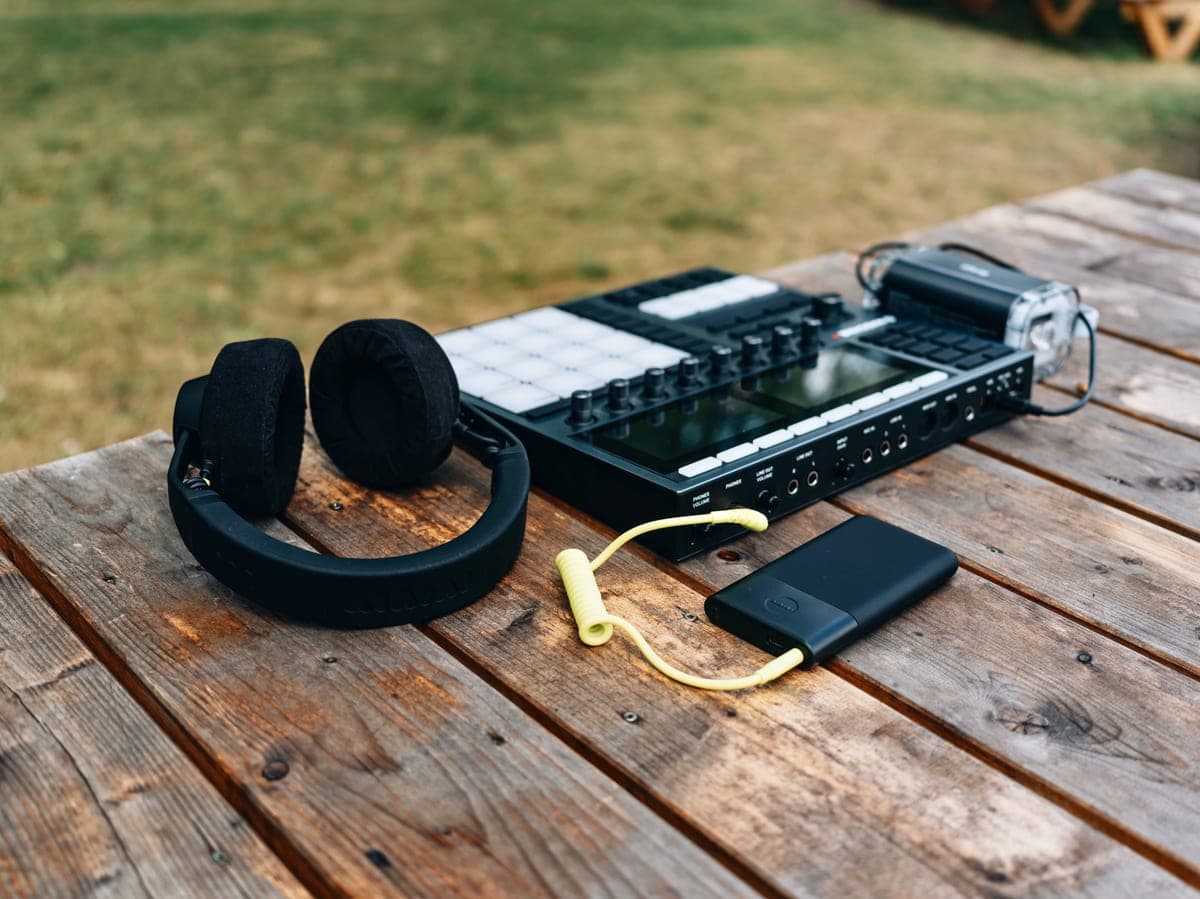
Age-related hearing loss takes the high frequencies first, and that is exactly where consonants live. The result is a television that sounds loud but unclear: you can hear that people are talking, and you cannot tell what they said. Turning it up makes the music louder without making the dialogue clearer, which is why the volume war in so many living rooms never resolves.
A dedicated TV listening system fixes it by giving one person their own volume and, on the better models, their own tone control to lift speech frequencies. The rest of the room stays where it was.
Two technical points decide whether the thing gets used. Latency: if the sound lags the picture, mouths move out of time and it is unbearable, so look for RF or a dedicated 2.4 GHz link rather than ordinary Bluetooth. And controls: a volume dial you can find by touch beats a touch-sensitive panel every single time.
This is general information about products, not medical advice. Talk to your doctor or occupational therapist about your own situation.
Some links on this page go to Amazon. If you buy something, we may earn a small commission at no extra cost to you — it never changes which products we pick or the order they appear in. Full disclosure.
Quick picks
Ranked for how little strength, eyesight or patience they need — not for how much they cost.
| # | Product | Best for | Score | Price |
|---|---|---|---|---|
| 1 | Avantree TV Headphones (dual-headset set)Two headsets with independent volume, so a couple with different hearing can watch together. | Two people who both need help | 8.6 | Check price on Amazon #ad Prices change daily, so we send you to check today's. How we earn |
| 2 | TV Ears Original Wireless HeadsetBuilt around speech rather than music, with a tone control that lifts voices out of the background. | Dialogue above everything | 9.0 | Check price on Amazon #ad Prices change daily, so we send you to check today's. How we earn |
| 3 | Sennheiser RS 120-WThe best-sounding option here, with a speech mode and a charging cradle you drop it into. | Sound quality as well as volume | 8.7 | Check price on Amazon #ad Prices change daily, so we send you to check today's. How we earn |
| 4 | ZUPVIY 2.4 GHz Wireless TV HeadphonesA cheap way to find out whether headphones are the answer before spending properly. | A low-cost first try | 7.9 | Check price on Amazon #ad Prices change daily, so we send you to check today's. How we earn |
Tap any row to jump to the full write-up. The price button goes to Amazon.
Pick by what’s hard
Most lists sort by price. That is not how this decision actually gets made, so here it is sorted by the thing that is getting in the way.
- Two people, two different levels of hearing loss
- Avantree TV Headphones (dual-headset set) — a dual-headset set is the only thing that solves this. One volume control each.
- Can hear it but cannot make out words
- TV Ears Original Wireless Headset — you need a tone control that lifts speech frequencies, not more volume. That is the specification to look for.
- Wears hearing aids
- ask the audiologist about a telecoil neckloop or a direct streaming accessory for those aids — it often beats headphones. Check before buying anything here.
- Will not wear headphones at all
- ZUPVIY 2.4 GHz Wireless TV Headphones — find out cheaply, then look at a speech-focused speaker that sits by the chair instead. Our guide on making the TV easier to hear covers those.
How we picked
We don’t run a product lab. Every pick here is chosen by reading the things that actually tell you whether something works for weak hands, poor eyesight or shaky fingers: the manufacturer’s own specifications, the retailer listing, the measurements and weights, and what owners report in their reviews — especially the one-star ones. We read the complaints before the praise.
Prices change constantly, so we send you to Amazon to see today’s price rather than printing a number that goes stale. More about how we choose.
The picks in full
1. Best for two people who both need help
Avantree TV Headphones (dual-headset set)
Avantree · 8.6/10 on our rubric
#ad Prices change daily, so we send you to check today's. How we earn
Two headsets with independent volume, so a couple with different hearing can watch together.
The genuinely common situation nobody designs for: both people in the room have hearing loss, and not the same amount. A dual-headset set gives each person their own volume on their own headset, which no soundbar can do.
Avantree's transmitters also pass sound through to the television speakers, so a visiting grandchild is not left out while the headsets are in use.
Good
- Two headsets, each with its own volume
- Long battery life per charge
- Pass-through keeps the TV speakers working
Watch out for
- Setup needs the right cable for your television's audio output
- Over-ear design gets warm over a long evening
| Connection | Dedicated wireless transmitter |
|---|---|
| Headsets | Two, independent volume |
| Pass-through | Yes |
| Controls | Physical dial and buttons |
How it scores
- Speech clarity8.6
- Lip-sync delay8.8
- Controls by feel8.8
- Comfort over hours8.0
2. Best for dialogue above everything
TV Ears Original Wireless Headset
TV Ears · 9.0/10 on our rubric
#ad Prices change daily, so we send you to check today's. How we earn
Built around speech rather than music, with a tone control that lifts voices out of the background.
TV Ears has been making exactly one thing for a long time, and the design shows it: a lightweight under-chin headset, a volume dial and a tone dial, and a transmitter that sits by the television. The tone control is the part that matters — it lifts the frequencies speech occupies rather than raising everything.
The under-chin shape suits people who dislike over-ear cups or who wear glasses and hearing aids, though hearing aid users should check compatibility: some aids work better removed, with the headset doing the work.
Good
- Tone control aimed specifically at speech
- Light under-chin design, no pressure on glasses
- Simple dials, no app
Watch out for
- Not high fidelity — this is a speech device
- Check how it works with your particular hearing aids
| Connection | Infrared transmitter |
|---|---|
| Controls | Volume dial and tone dial |
| Fit | Under-chin headset |
| Best for | Dialogue clarity |
How it scores
- Speech clarity9.2
- Lip-sync delay9.0
- Controls by feel9.2
- Comfort over hours8.4
3. Best for sound quality as well as volume
Sennheiser RS 120-W
Sennheiser · 8.7/10 on our rubric
#ad Prices change daily, so we send you to check today's. How we earn
The best-sounding option here, with a speech mode and a charging cradle you drop it into.
If the person still enjoys music and films as well as the news, this is the set that does not make everything sound like a telephone. It has a speech-intelligibility mode for dialogue and a proper hi-fi mode for everything else.
The cradle is a quiet accessibility win: the headset drops into it rather than being plugged in, so charging never gets forgotten or fumbled.
Good
- Genuine sound quality plus a speech mode
- Drop-in charging cradle
- Low-latency wireless, not ordinary Bluetooth
Watch out for
- More expensive than a speech-only set
- Over-ear cups are warm for long sessions
| Connection | Dedicated low-latency wireless |
|---|---|
| Modes | Speech and hi-fi |
| Charging | Drop-in cradle |
| Fit | Over-ear |
How it scores
- Speech clarity8.8
- Lip-sync delay9.2
- Controls by feel8.2
- Comfort over hours8.2
4. Best for a low-cost first try
ZUPVIY 2.4 GHz Wireless TV Headphones
ZUPVIY · 7.9/10 on our rubric
#ad Prices change daily, so we send you to check today's. How we earn
A cheap way to find out whether headphones are the answer before spending properly.
Before committing to a dedicated system, it is reasonable to spend little and discover whether the person will actually wear headphones at all. Plenty will not, and that is worth knowing cheaply.
A 2.4 GHz set avoids the Bluetooth lip-sync problem, which is the main thing that makes budget headphones unwatchable.
Good
- Low cost for a genuine try
- 2.4 GHz avoids Bluetooth lag
- Simple physical controls
Watch out for
- Build quality is modest
- No speech-specific tone control
| Connection | 2.4 GHz transmitter |
|---|---|
| Controls | Physical volume |
| Fit | Over-ear |
| Best for | Trying the idea cheaply |
How it scores
- Speech clarity7.6
- Lip-sync delay8.8
- Controls by feel8.0
- Comfort over hours7.4
Check your TV's audio output before you order
- Look at the back of the television for the audio outputs: optical (a small square flap), 3.5 mm headphone, or RCA red-and-white.
- Check which of those the transmitter accepts. Most include optical and 3.5 mm; some need an adapter for RCA.
- If the TV only has optical and the transmitter only takes 3.5 mm, you need a converter — buy it at the same time.
- Check whether the TV mutes its own speakers when the output is in use. If it does, look for a transmitter with pass-through so the room still hears sound.
- Set the TV's audio output to PCM rather than Dolby if the sound is distorted or silent — this fixes most optical problems.
Headphones, speaker or soundbar?
This page is about equipment, not hearing health. Persistent hearing loss is worth an audiologist's appointment, and nothing here substitutes for one.
Questions people ask
▸Are TV headphones better than a soundbar for hearing loss?
For one person with hearing loss, yes. Headphones give that person their own volume and often their own tone control, so the rest of the room stays at a normal level. A soundbar helps everyone a little instead.
▸Why does the TV sound loud but unclear?
Age-related hearing loss affects high frequencies first, which is where consonants live. Volume raises everything equally, so speech stays muddy. What helps is a tone control that lifts speech frequencies specifically.
▸Can you use TV headphones with hearing aids?
Sometimes. Many people get better results with a telecoil neckloop or a streaming accessory made for their hearing aids. Ask the audiologist before buying headphones, since it depends on the specific aids.
▸Will Bluetooth headphones work for TV?
Often badly. Standard Bluetooth adds enough delay that lips move out of sync, which most people find unwatchable. Look for RF or a dedicated 2.4 GHz transmitter instead.
Sources
Read next
Guide
How to make the TV easier to hear
Free TV settings that help with dialogue, then the equipment worth buying if they are not enough.
Read the guide →

Best amplified phone
Best amplified phones for hard of hearing seniors
Amplified home phones ranked by boost, ringer volume and how usable the keypad is.
Read the guide →
Easiest TV remote
Easiest TV remotes for seniors
Simplified universal remotes, ranked by how few buttons they have and how hard they are to misprogram.
Read the guide →
Best streaming box
Best streaming devices for seniors
Streaming boxes compared on remote simplicity, menu predictability and set-up burden.
Read the guide →