Life Alert vs Medical Guardian
Two monitored services, one big difference: what you are signing up to, and for how long.
By Selena H. · Last checked October 13, 2026 · How we keep pages current

The short version: Medical Guardian sells month-to-month monitoring with a current equipment range and no long-term contract. Life Alert is the better-known brand and has historically used multi-year agreements. If flexibility matters — and with an older person's circumstances it usually does — that difference outweighs everything else.
We earn nothing from either. Both are sold directly, neither is a pick on this site, and this page exists because the comparison is the one families actually make.
This is general information about products, not medical advice. Talk to your doctor or occupational therapist about your own situation.
Some links on this page go to Amazon. If you buy something, we may earn a small commission at no extra cost to you — it never changes which products we pick or the order they appear in. Full disclosure.
The decision table
Quick picks
| # | Product | Best for | Score | Price |
|---|---|---|---|---|
| 1 | LogicMark Guardian Alert 911 PlusIf the contract is the sticking point, a direct-to-911 device removes it entirely. | The no-contract alternative | 8.8 | Check price on Amazon #ad Prices change daily, so we send you to check today's. How we earn |
| 2 | 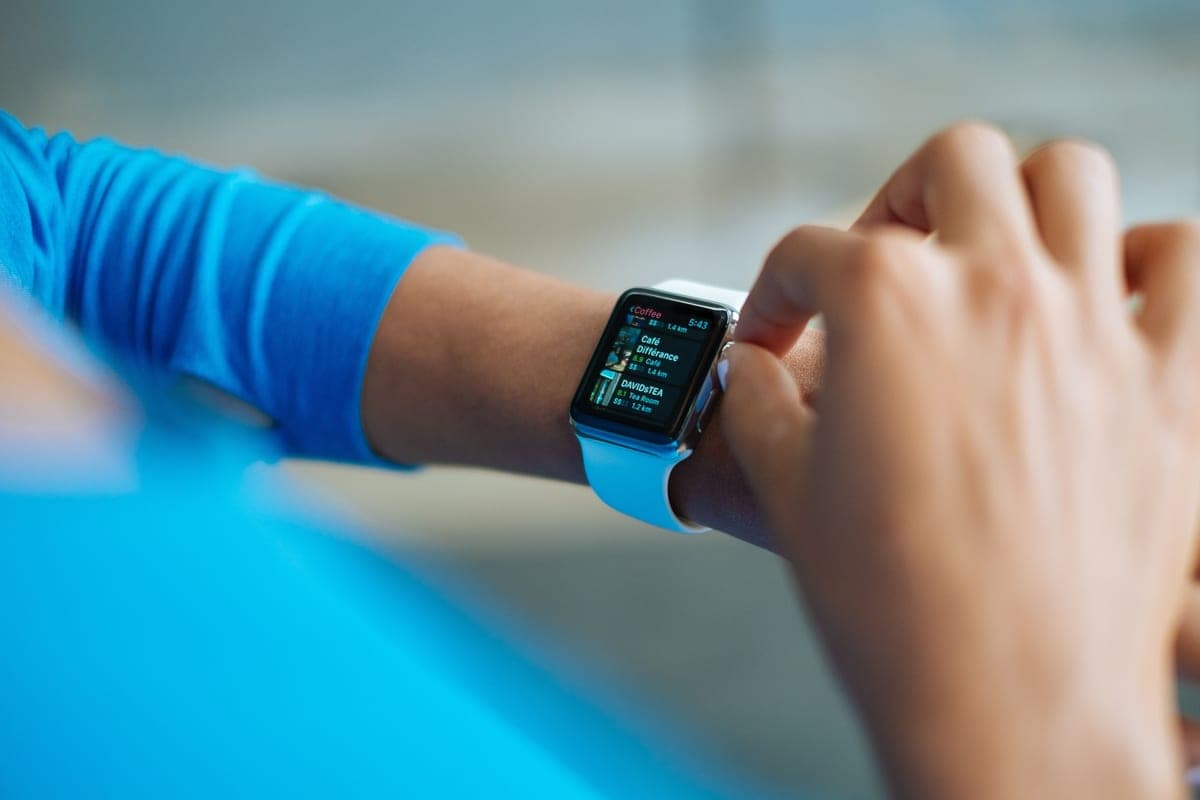 Apple Watch SENo contract, fall detection included, and far more likely to be worn than a pendant. | Monitoring-free fall detection they will wear | 8.6 | Check price on Amazon #ad Prices change daily, so we send you to check today's. How we earn |
Tap any row to jump to the full write-up. The price button goes to Amazon.
How we picked
We don’t run a product lab. Every pick here is chosen by reading the things that actually tell you whether something works for weak hands, poor eyesight or shaky fingers: the manufacturer’s own specifications, the retailer listing, the measurements and weights, and what owners report in their reviews — especially the one-star ones. We read the complaints before the praise.
Prices change constantly, so we send you to Amazon to see today’s price rather than printing a number that goes stale. More about how we choose.
The picks in full
1. Best for the no-contract alternative
LogicMark Guardian Alert 911 Plus
LogicMark · 8.8/10 on our rubric
#ad Prices change daily, so we send you to check today's. How we earn
If the contract is the sticking point, a direct-to-911 device removes it entirely.
No agreement, no monthly bill, no cancellation conversation. The trade is that 911 answers rather than an operator who knows the person — acceptable when family is reachable, less so when nobody is.
Good
- No contract and no monthly fee
- Works away from home on 4G
- Fall detection included (manufacturer listing)
Watch out for
- No operator who knows the person
- Higher up-front cost
| Contract | None |
|---|---|
| Monthly fee | None |
| Call goes to | 911 dispatch |
| Works | At home and out |
2. Best for monitoring-free fall detection they will wear
Apple Watch SE
Apple · 8.6/10 on our rubric
#ad Prices change daily, so we send you to check today's. How we earn
No contract, fall detection included, and far more likely to be worn than a pendant.
For an active person who refuses a medical alert on principle, the watch is often the only thing that actually gets worn — which makes it better protection than the better service they would leave in a drawer.
Good
- No monitoring contract
- Fall detection with emergency calling
- Worn willingly
Watch out for
- Daily charging
- Cellular plan needed for full independence
| Contract | None |
|---|---|
| Fall detection | Yes |
| Battery | About a day |
| Optional cost | Cellular plan |
Why the contract is the thing to focus on
Circumstances change quickly at this stage of life. Someone moves in with family, goes into residential care, recovers enough not to need monitoring, or sadly dies. A month-to-month service ends with a phone call. A multi-year agreement may not.
Before signing anything, ask three questions and get the answers in writing: what is the total monthly cost with every feature you intend to use, what is the minimum term, and what happens to the agreement if the subscriber moves into a care facility or passes away. A service that will not answer those plainly is telling you something.
What both do well
- A trained operator answers within seconds and stays on the line.
- The operator has the person's address, conditions and contact list.
- They escalate appropriately — family for a minor fall, ambulance for a serious one.
- Equipment is replaced if it fails while you are a subscriber.
- A lockbox option means responders can get in without breaking a door.
The question neither will ask you
Will the person wear it? Monitoring protects nobody if the pendant stays on the dressing table. Before paying for either service, test willingness honestly with something cheap — a watch they like, or a lightweight pendant — and watch what actually happens over two weeks.
If the answer is no, spend the money on wall buttons and a caregiver pager instead, and accept the smaller level of protection. Half a plan that is used beats a full one that is not.
Questions people ask
▸Is Life Alert worth the money?
It provides genuine monitored protection, but it has historically used long-term agreements. Compare the all-in monthly cost and the minimum term against month-to-month competitors before signing anything.
▸Does Medical Guardian require a contract?
Medical Guardian sells month-to-month plans without a long-term contract, which is its main practical advantage for families whose circumstances may change quickly.
▸Can you cancel a medical alert service?
Month-to-month services end with a phone call and the return of equipment. Multi-year agreements vary — ask specifically what happens if the subscriber moves into care or dies, and get the answer in writing.
▸Is there an alternative to both?
Yes: a no-fee device that dials 911 directly, or a smartwatch with fall detection. Both lose the trained operator but remove the monthly bill and the contract entirely.
Sources
Read next
Best medical alert
Best medical alert systems for seniors
Alerts ranked by where they work and who answers, including no-monthly-fee options.
Read the guide →
Best with no monthly fee
Best medical alerts with no monthly fee
Subscription-free alerts, with the honest trade-off column nobody else prints.
Read the guide →
Head to head
Apple Watch vs a medical alert system
Watch versus monitored pendant, compared on wearing, battery, water and who responds.
Read the guide →
Guide
What is automatic fall detection?
A plain explanation of how it works, what it catches, and what it misses.
Read the guide →