What is automatic fall detection?
Sensors that watch for the signature of a fall, then call for help if you do not answer. Useful, and not certain.
By Selena H. · Last checked October 13, 2026 · How we keep pages current
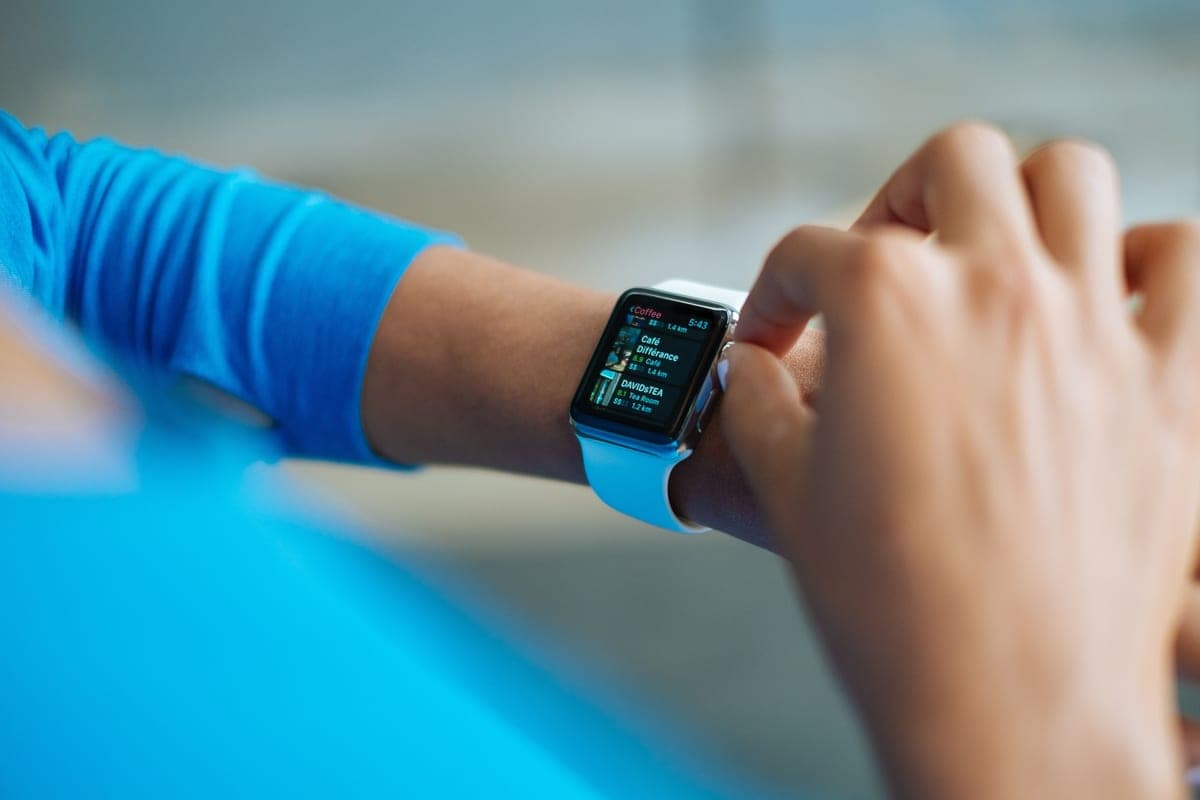
Automatic fall detection is a sensor in a pendant, watch or belt clip that watches for the pattern of a fall — a sudden change in speed followed by an impact and then stillness. When it sees that pattern it asks whether you are all right, and if there is no answer it calls for help by itself.
It exists for one scenario a button cannot cover: a fall where the person is knocked out, dazed, or unable to reach the button. That scenario is exactly the one families fear most, which is why the feature is worth having and why it is sold so confidently.
It is not certain, and every manufacturer says so in its own terms. Understanding where the uncertainty lives is the point of this page.
This is general information about products, not medical advice. Talk to your doctor or occupational therapist about your own situation.
Some links on this page go to Amazon. If you buy something, we may earn a small commission at no extra cost to you — it never changes which products we pick or the order they appear in. Full disclosure.
How it actually works
- An accelerometer measures sudden changes in movement; a gyroscope measures orientation.
- The device looks for a specific signature: rapid downward acceleration, a sharp impact, then little or no movement.
- When it sees that pattern it alerts — usually a vibration or a sound asking you to confirm you are all right.
- If you confirm, nothing happens. If you do not respond within roughly 30 to 60 seconds, it calls the monitoring center or emergency services and notifies your contacts.
Quick picks
| # | Product | Best for | Score | Price |
|---|---|---|---|---|
| 1 | Apple Watch SEConfirmation prompt, then an automatic emergency call and contact alerts. | Fall detection on something worn daily | 8.9 | Check price on Amazon #ad Prices change daily, so we send you to check today's. How we earn |
| 2 |  LogicMark Guardian Alert 911 PlusFall detection included rather than charged as a monthly extra. | Detection without a subscription | 8.8 | Check price on Amazon #ad Prices change daily, so we send you to check today's. How we earn |
Tap any row to jump to the full write-up. The price button goes to Amazon.
How we picked
We don’t run a product lab. Every pick here is chosen by reading the things that actually tell you whether something works for weak hands, poor eyesight or shaky fingers: the manufacturer’s own specifications, the retailer listing, the measurements and weights, and what owners report in their reviews — especially the one-star ones. We read the complaints before the praise.
Prices change constantly, so we send you to Amazon to see today’s price rather than printing a number that goes stale. More about how we choose.
The picks in full
1. Best for fall detection on something worn daily
Apple Watch SE
Apple · 8.9/10 on our rubric
#ad Prices change daily, so we send you to check today's. How we earn
Confirmation prompt, then an automatic emergency call and contact alerts.
The most common implementation, and a well-judged one — it waits before calling, which handles most false alarms.
Good
- Worn willingly
- Sensible confirmation window
- Alerts contacts with location
Watch out for
- Daily charging
- Usually off in the shower
| Detection | Hard falls |
|---|---|
| Confirmation | Prompt before calling |
| Then | Emergency call plus contact alerts |
| Fee | None for the watch |
2. Best for detection without a subscription
LogicMark Guardian Alert 911 Plus
LogicMark · 8.8/10 on our rubric
#ad Prices change daily, so we send you to check today's. How we earn
Fall detection included rather than charged as a monthly extra.
Most monitored services charge $8 to $12 a month for detection. This includes it with no fee at all.
Good
- No add-on charge
- Own cellular connection
- Two-way voice
Watch out for
- Calls 911, not an operator who knows them
- Must be worn
| Detection | Included (manufacturer listing) |
|---|---|
| Then | Two-way call to 911 |
| Fee | None |
| Works | At home and out |
What it catches well
Hard falls. A trip onto a tiled floor, a fall from a standing position onto concrete, a collapse that ends with a real impact — these produce the clear signature the sensors are tuned for, and detection rates are good.
That is the right thing to be good at, because those are also the falls most likely to leave someone unable to press a button.
What it misses
- The slow slide down a wall or cupboard door. No sharp impact, so no signature.
- A collapse into a chair or onto a bed, which looks to the sensor like sitting down.
- Falls from a low position — kneeling in the garden, getting up from the floor.
- Falls where the person catches themselves on furniture on the way down.
- Any fall at all if the device is not being worn, which is the most common failure by a wide margin.
False alarms, and why they matter
The opposite failure is a device that calls for help when nothing has happened: a dropped pendant, vigorous housework, a heavy bag put down fast. Modern devices handle this with the confirmation prompt, which catches nearly all of them.
False alarms matter because of what they do to behavior. Someone embarrassed by an unnecessary ambulance may stop wearing the device, and then the protection is zero. If a false alarm happens, treat it as the system working, say so out loud, and move on.
So should you buy it?
Yes, if the person lives alone and a fall where they cannot press anything is a realistic worry. It is the only technology that addresses that case at all.
No, if it would replace a device they would actually wear. A plain button worn every day beats fall detection in a drawer, every time.
And in either case, keep a manual button as well. Detection is the backup; the button is the primary.
Fall detection reduces the time someone spends on the floor. It does not reduce the chance of falling. Strength and balance work, a medication review and an eye test are what address that.
Questions people ask
▸What is automatic fall detection?
A sensor that watches for the movement pattern of a fall — sudden acceleration, impact, then stillness — and calls for help if the wearer does not respond to a prompt. It catches hard falls well and slow slides poorly.
▸How accurate is automatic fall detection?
Good for hard falls onto a firm surface, unreliable for slow slides, collapses into furniture and falls from a low position. Every manufacturer states it may not detect all falls, and that wording is accurate rather than evasive.
▸Does fall detection work if the device isn't worn?
No. Not wearing the device is the most common reason fall detection fails, far ahead of any sensor limitation. Choose something the person will genuinely wear all day.
▸What happens after a fall is detected?
The device prompts you to confirm you are all right. If you do not respond within roughly 30 to 60 seconds it calls the monitoring center or emergency services and alerts your contacts, usually with a location.
Sources
Read next
Best fall detection
Best fall detection devices for elderly adults
Devices with automatic fall detection, and a plain account of the limits.
Read the guide →
Best medical alert
Best medical alert systems for seniors
Alerts ranked by where they work and who answers, including no-monthly-fee options.
Read the guide →
Head to head
Apple Watch vs a medical alert system
Watch versus monitored pendant, compared on wearing, battery, water and who responds.
Read the guide →

Guide
Balance exercises to prevent falls
A four-week counter-based progression, and the non-exercise changes that matter as much.
Read the guide →