Best medical alerts with no monthly fee
No subscription means no monitoring center. For a household with reachable family, that trade often makes sense.
By Selena H. · Last checked October 13, 2026 · How we keep pages current

A monitored medical alert costs roughly $25 to $37 a month before extras, which over five years is a significant sum for a household on a fixed income. The no-fee category exists because for many families the monitoring center is not the part they need.
Here is the honest trade. With a fee, a trained operator answers in seconds, knows the address and the medical notes, and stays on the line while help comes. Without one, the device calls 911 directly or rings a list of family numbers — faster to emergency services in some cases, but with nobody who knows anything about the person.
If there is family within reach who answer their phones, no-fee is a reasonable choice. If the person lives alone with nobody nearby, pay the fee and do not feel bad about it.
This is general information about products, not medical advice. Talk to your doctor or occupational therapist about your own situation.
Some links on this page go to Amazon. If you buy something, we may earn a small commission at no extra cost to you — it never changes which products we pick or the order they appear in. Full disclosure.
The no-fee options, with the trade-off
Quick picks
Ranked for how little strength, eyesight or patience they need — not for how much they cost.
| # | Product | Best for | Score | Price |
|---|---|---|---|---|
| 1 | LogicMark Guardian Alert 911 PlusIts own cellular connection, two-way voice to 911, fall detection, and nothing to pay monthly. | The closest thing to a monitored device without the fee | 9.2 | Check price on Amazon #ad Prices change daily, so we send you to check today's. How we earn |
| 2 | 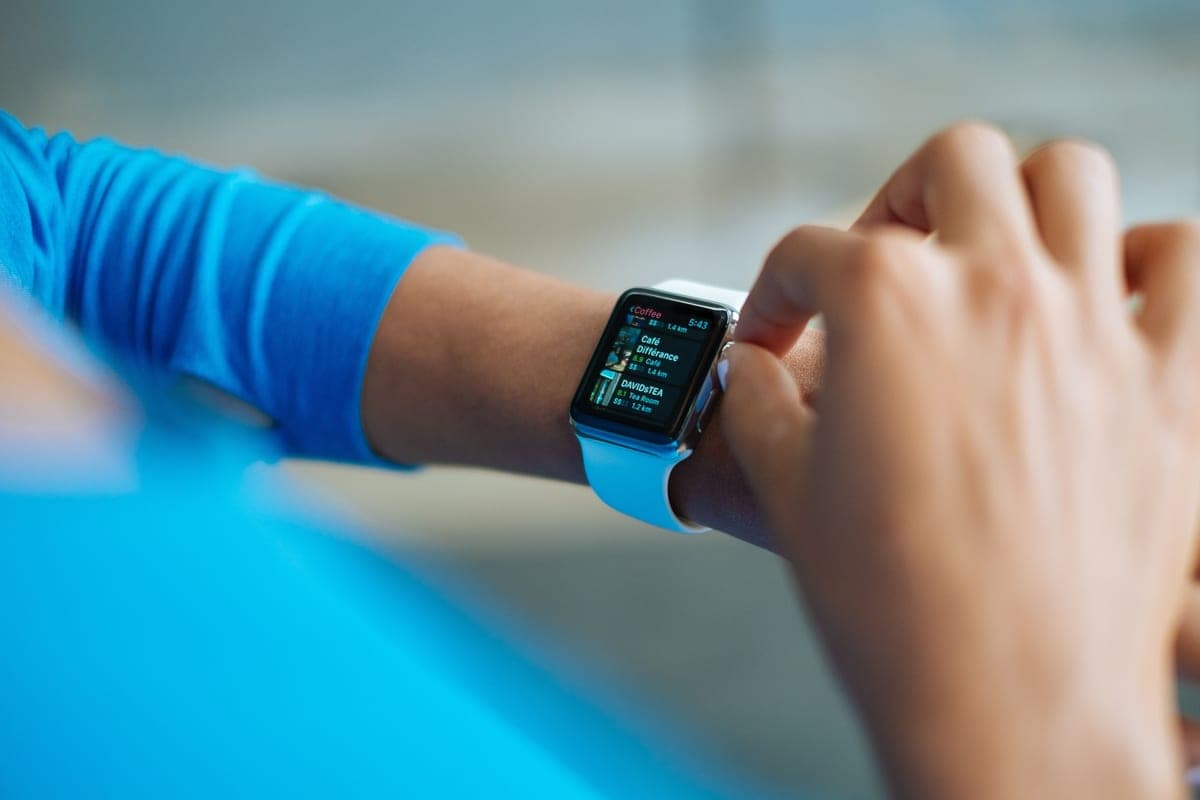 Apple Watch SENo subscription for the watch itself, and fall detection that calls for help automatically. | Fall detection on something they will wear | 8.6 | Check price on Amazon #ad Prices change daily, so we send you to check today's. How we earn |
| 3 | CallToU Wireless Caregiver PagerThe cheapest useful thing in this category, when the help needed is in the next room. | A household with someone else in it | 7.8 | Check price on Amazon #ad Prices change daily, so we send you to check today's. How we earn |
| 4 | Silent Beacon 2.0One press calls and messages a chosen list with location, with nothing to pay. | Telling family rather than calling an ambulance | 8.0 | Check price on Amazon #ad Prices change daily, so we send you to check today's. How we earn |
Tap any row to jump to the full write-up. The price button goes to Amazon.
Pick by what’s hard
Most lists sort by price. That is not how this decision actually gets made, so here it is sorted by the thing that is getting in the way.
- Lives alone, family far away
- this is the case where a monthly fee genuinely buys something. A monitored service with a trained operator is the honest recommendation, and we earn nothing from it.
- Lives alone, family nearby and reliable
- LogicMark Guardian Alert 911 Plus — a direct-to-911 device with no fee covers the emergency, and family handles everything else.
- Lives with a spouse
- CallToU Wireless Caregiver Pager — a pager and a few buttons solve the real problem for a fraction of any subscription.
- Active and out most days
- Apple Watch SE — a watch with fall detection and a cellular line covers them wherever they are, and gets worn because it is also a watch.
How we picked
We don’t run a product lab. Every pick here is chosen by reading the things that actually tell you whether something works for weak hands, poor eyesight or shaky fingers: the manufacturer’s own specifications, the retailer listing, the measurements and weights, and what owners report in their reviews — especially the one-star ones. We read the complaints before the praise.
Prices change constantly, so we send you to Amazon to see today’s price rather than printing a number that goes stale. More about how we choose.
The picks in full
1. Best for the closest thing to a monitored device without the fee
LogicMark Guardian Alert 911 Plus
LogicMark · 9.2/10 on our rubric
#ad Prices change daily, so we send you to check today's. How we earn
Its own cellular connection, two-way voice to 911, fall detection, and nothing to pay monthly.
This is the device that makes the no-fee category credible. It does not need a phone, it works away from the house, and the two-way speaker means the person can talk to dispatch from the floor.
Set the expectations with the family: the call goes to 911, so the first question will be the address. Keep a card with the address and medication list by the phone for whoever arrives.
Good
- No fee at all
- Works out of the house on 4G
- Two-way voice and fall detection (manufacturer listing)
Watch out for
- 911 does not know the person
- Up-front price is higher than subscription hardware
| Monthly fee | None |
|---|---|
| Connection | Built-in 4G |
| Call goes to | 911 dispatch |
| Battery | Several days (manufacturer listing) |
How it scores
- Help arrives9.0
- Works away from home9.4
- No ongoing cost10.0
- Ease of use8.8
2. Best for fall detection on something they will wear
Apple Watch SE
Apple · 8.6/10 on our rubric
#ad Prices change daily, so we send you to check today's. How we earn
No subscription for the watch itself, and fall detection that calls for help automatically.
The watch has no monthly fee, though a cellular model needs a plan to call for help when the phone is elsewhere. Weigh that: a plan line is usually cheaper than medical alert monitoring, and the watch does a great deal more.
Turn fall detection on explicitly — on some setups it is only enabled automatically above a certain age in the health profile.
Good
- No monitoring fee
- Fall detection with automatic emergency call
- Worn willingly, unlike most alerts
Watch out for
- Daily charging
- Cellular plan needed for full independence from the phone
| Monthly fee | None for the watch |
|---|---|
| Optional cost | Cellular plan line |
| Fall detection | Yes |
| Battery | About a day |
How it scores
- Help arrives8.6
- Works away from home8.8
- No ongoing cost8.0
- Ease of use8.4
3. Best for a household with someone else in it
CallToU Wireless Caregiver Pager
CallToU · 7.8/10 on our rubric
#ad Prices change daily, so we send you to check today's. How we earn
The cheapest useful thing in this category, when the help needed is in the next room.
If the realistic emergency is "I need my husband and he is downstairs with the television on", this solves it completely and costs less than a month of monitoring.
Buy extra buttons rather than extra features: bathroom, bedside, and one on a cord.
Good
- Very inexpensive
- Expandable to every room
- Loud receiver
Watch out for
- Does not summon outside help
- Range limited to the house and garden
| Monthly fee | None |
|---|---|
| Range | Within the home |
| Alerts | A plug-in or carried receiver |
| Expandable | Yes |
How it scores
- Help arrives7.0
- Works away from home2.0
- No ongoing cost10.0
- Ease of use9.4
4. Best for telling family rather than calling an ambulance
Silent Beacon 2.0
Silent Beacon · 8.0/10 on our rubric
#ad Prices change daily, so we send you to check today's. How we earn
One press calls and messages a chosen list with location, with nothing to pay.
For someone active who wants family notified rather than emergency services dispatched, this is the right shape of device. It leans on a paired phone, which is fine for someone who carries one.
Good
- No fee
- Location sent to contacts
- Works as a personal alarm too
Watch out for
- Needs the phone present
- Depends on family answering
| Monthly fee | None |
|---|---|
| Requires | Paired smartphone |
| Alerts | Chosen contacts with location |
| Extras | Loud alarm |
How it scores
- Help arrives7.4
- Works away from home8.2
- No ongoing cost10.0
- Ease of use8.4
What you are really giving up
The monitoring center does three things a no-fee device cannot. It answers within seconds with a human who knows the person's name, address and medical notes. It stays on the line, which matters enormously to someone lying on a bathroom floor. And it escalates intelligently — family first for a minor fall, ambulance for a serious one.
A 911 device does the third thing bluntly: every press becomes an emergency response. That is correct for a broken hip and heavy-handed for a slip with no injury, and some people will hesitate to press because of it. Hesitation is the real risk with direct-to-911 devices and it is worth discussing openly.
Make a no-fee setup work properly
- Write the address, date of birth, conditions and medications on a card and tape it inside a kitchen cupboard door. Tell family where it is.
- Agree who is first to call, and make sure that person's phone is not silenced at night.
- Fit a key safe by the door with a code family and, if appropriate, emergency services know.
- Test the device monthly, on the same day as the smoke alarm test.
- Charge it on a schedule tied to something else — Sunday evening, with the pill box refill.
Questions people ask
▸Are there medical alert systems with no monthly fee?
Yes. Devices such as the LogicMark Guardian Alert 911 Plus dial 911 directly over their own cellular connection with no subscription. Smartwatches with fall detection and in-home caregiver pagers are the other no-fee routes.
▸What is the catch with no-fee medical alerts?
There is no monitoring center. Nobody who knows the person's address, conditions or door code answers the call, and nobody stays on the line. For households with reachable family that is often an acceptable trade.
▸Is a smartwatch as good as a medical alert?
For a person who will wear it and charge it, often yes — fall detection plus an automatic emergency call covers the main scenario. It is weaker on battery life and on the human response at the other end.
▸How much do monitored systems cost?
Commonly around $25 to $37 a month before extras, with fall detection usually an additional charge. Ask what the advertised price excludes: protection plans, lockboxes and equipment deposits are often extra.
Sources
Read next
Best medical alert
Best medical alert systems for seniors
Alerts ranked by where they work and who answers, including no-monthly-fee options.
Read the guide →
Best fall detection
Best fall detection devices for elderly adults
Devices with automatic fall detection, and a plain account of the limits.
Read the guide →
Head to head
Apple Watch vs a medical alert system
Watch versus monitored pendant, compared on wearing, battery, water and who responds.
Read the guide →
Head to head
Life Alert vs Medical Guardian
The contract, the equipment and the exit terms compared — plus the no-fee alternative.
Read the guide →