Best over-the-counter hearing aids for seniors
Since 2022 you can buy a real hearing aid off a shelf. Here is which ones measure up, which ones are amplifiers in a nice box, and when to see a doctor instead.
By Selena H. · Last checked October 15, 2026 · How we keep pages current
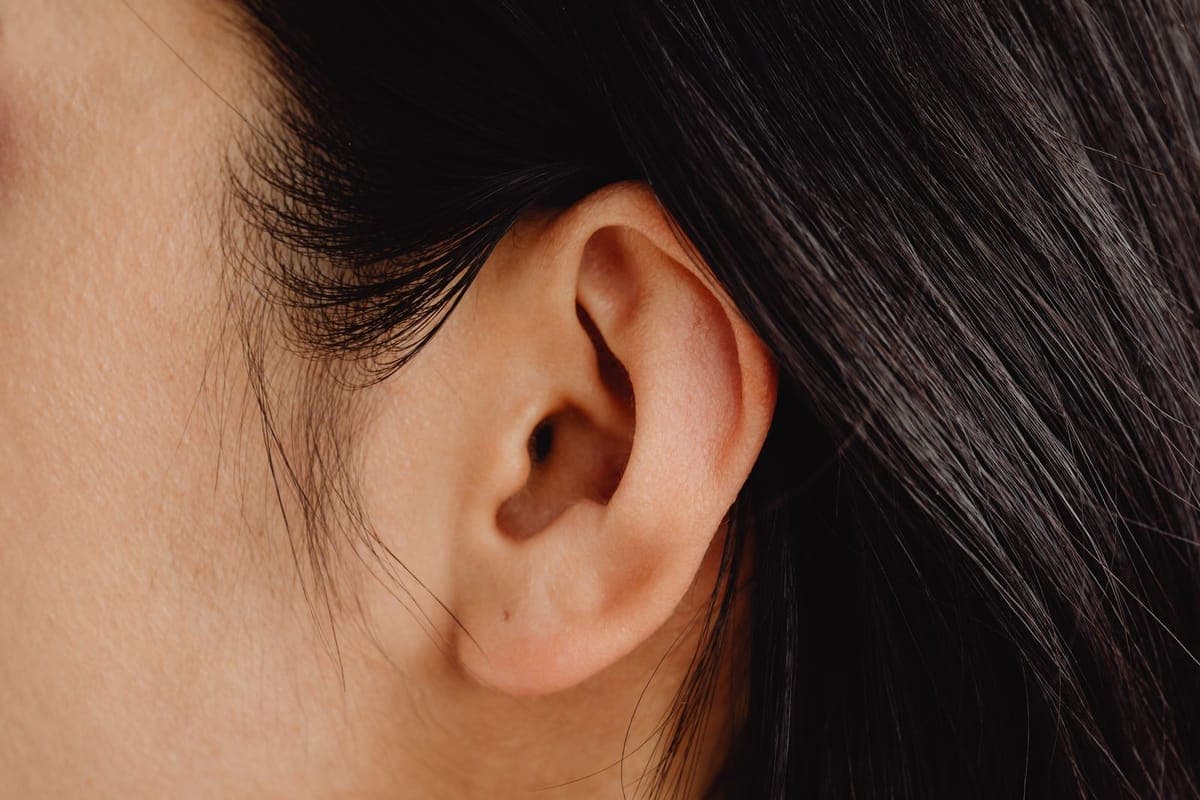
Over-the-counter hearing aids became legal in the United States in 2022, and the category has taken three years to get genuinely good. The first wave was mostly amplifiers with a new label. What is on sale now includes devices built by the same companies that make prescription aids, sold without an appointment, at a fraction of the clinic price.
That is the opportunity. The trap is that the same search results page also contains a hundred cheap earpieces that make everything louder, including the refrigerator, and that measure no better than nothing at all in independent testing. The gap between the best and the worst thing on one screen is wider here than in any other category on this site.
We have not tested hearing aids ourselves and we are not going to pretend otherwise. What this page does is put together the FDA's own rules about who OTC aids are for, the manufacturers' published specifications, and the lab measurements published by HearingTracker, which runs the only widely available speech-in-quiet and speech-in-noise testing of consumer hearing aids. Where we give a score, it is our reading of those sources, not a measurement we took.
One thing to settle before you spend anything: OTC aids are for adults 18 and over with hearing loss they would describe as mild to moderate. If one ear is much worse than the other, if hearing dropped suddenly, if there is pain, drainage, dizziness or ringing in one ear only, the FDA says see a doctor rather than a shopping cart. That list is below in full, and it matters more than any pick on this page.
This is general information about products, not medical advice. Talk to your doctor or occupational therapist about your own situation.
Some links on this page go to Amazon. If you buy something, we may earn a small commission at no extra cost to you — it never changes which products we pick or the order they appear in. Full disclosure.
Quick picks
Ranked for how little strength, eyesight or patience they need — not for how much they cost.
| # | Product | Best for | Score | Price |
|---|---|---|---|---|
| 1 | Sennheiser All-Day ClearBuilt by the company behind Phonak, set up by answering questions rather than taking a test, and the best-measuring OTC aid sold on Amazon. | The best measured sound without an appointment | 8.8 | Check price on Amazon #ad Prices change daily, so we send you to check today's. How we earn |
| 2 | ELEHEAR BeyondMid-tier price, lab results close to aids costing three times as much, and a battery that lasts the day. | Most people, most budgets | 8.6 | Check price on Amazon #ad Prices change daily, so we send you to check today's. How we earn |
| 3 | Apple AirPods Pro 3An FDA-authorized hearing aid feature inside a product nobody reads as a hearing aid - for part of the day. | Someone who refuses to wear a hearing aid | 7.6 | Check price on Amazon #ad Prices change daily, so we send you to check today's. How we earn |
| 4 | Yeasound RIC800Four preset programs, a thirty-hour battery and no app to understand - mid-priced and deliberately plain. | A house where nobody wants to manage an app | 8.2 | Check price on Amazon #ad Prices change daily, so we send you to check today's. How we earn |
| 5 | Jabra Enhance Select 500A four-figure package that includes licensed US audiologist care and years of remote adjustments. | Buying a professional, not just a device | 8.4 | Check price on Amazon #ad Prices change daily, so we send you to check today's. How we earn |
Tap any row to jump to the full write-up. The price button goes to Amazon.
Pick by what’s hard
Most lists sort by price. That is not how this decision actually gets made, so here it is sorted by the thing that is getting in the way.
- They will not be seen wearing a hearing aid
- Apple AirPods Pro 3 — earbuds carry no stigma, and the hearing aid feature inside them is the real thing. Treat it as the first step rather than the last one.
- Nobody at home can manage an app
- Yeasound RIC800 — pick an aid with physical presets. The failure that matters is not poor sound, it is a setting that got changed and cannot be changed back.
- Money is tight but you want something that works
- ELEHEAR Beyond — this is the cheapest device here that measures like a hearing aid rather than an amplifier. Below this tier the lab results fall off a cliff.
- Fingers cannot handle something tiny
- choose a behind-the-ear shape over an in-canal one, and look at the charging case: the ones that drop in on a magnet are far easier than the ones you have to seat precisely.
- The trouble is only the television
- do not buy hearing aids yet. A set of TV headphones solves that one problem for a fraction of the money, and our TV sound guide covers it.
- One ear is much worse than the other
- see a doctor before buying anything. Uneven hearing loss is on the FDA's own list of signs that need a medical opinion first.
How we picked
We don’t run a product lab. Every pick here is chosen by reading the things that actually tell you whether something works for weak hands, poor eyesight or shaky fingers: the manufacturer’s own specifications, the retailer listing, the measurements and weights, and what owners report in their reviews — especially the one-star ones. We read the complaints before the praise.
Prices change constantly, so we send you to Amazon to see today’s price rather than printing a number that goes stale. More about how we choose.
The picks in full
1. Best for the best measured sound without an appointment
Sennheiser All-Day Clear
Sennheiser · 8.8/10 on our rubric
#ad Prices change daily, so we send you to check today's. How we earn
Built by the company behind Phonak, set up by answering questions rather than taking a test, and the best-measuring OTC aid sold on Amazon.
This is a receiver-in-canal aid, the same shape a clinic would fit: a small body behind the ear and a thin wire to a speaker in the canal. It is manufactured by Sonova, the parent company of Phonak, which is the single biggest reason it behaves like a hearing aid rather than an earbud with a boost switch. In HearingTracker's lab testing it earns the highest overall score of any over-the-counter aid they rate on Amazon.
Fitting is done by answering questions about which voices you struggle with rather than sitting through a tone test, which suits someone who would never finish a beeping test on a phone. If that is not enough, Sennheiser's network allows an optional in-office fitting with a professional, which also extends the warranty by a year.
The honest limit is noise. Even the best OTC aids measure far below a well-fitted prescription pair in a crowded room, and this one is no exception: quiet rooms, television and one-to-one conversation are where it earns its money. If the main complaint is restaurants, read the restaurant section below before you spend.
Good
- Highest published lab score of any OTC aid currently rated on Amazon
- Fitted by answering questions, not by passing a tone test
- IP68 rating, so sweat and rain are not a problem
- Optional in-office professional fitting, which also extends the warranty
Watch out for
- Premium tier - the most expensive pick here apart from the Jabra package
- The charging case has no battery of its own, so it has to stay plugged in at the wall
- Speech in a noisy room is only fair, as it is across the whole OTC category
| Style | Receiver-in-canal, behind the ear |
|---|---|
| Battery | 20-24 hours per charge (manufacturer) |
| Fitting | Guided questions, optional in-office fitting |
| Water resistance | IP68 |
| Made by | Sonova, the maker of Phonak |
How it scores
- Speech in a quiet room9.0
- Speech in noise6.2
- Set up without help8.8
- Battery you can forget9.0
2. Best for most people, most budgets
ELEHEAR Beyond
ELEHEAR · 8.6/10 on our rubric
#ad Prices change daily, so we send you to check today's. How we earn
Mid-tier price, lab results close to aids costing three times as much, and a battery that lasts the day.
The Beyond is the value answer and it is not a close contest. It is a receiver-in-canal aid like the Sennheiser, it streams phone calls and audio on both iPhone and Android, and its speech-in-quiet measurement sits within touching distance of the best aid on this page at roughly a third of the price.
It also carries a tinnitus masker, which is a genuine feature rather than a bullet point for anyone whose evenings are spoiled by ringing. Battery life runs to about twenty hours with a case that holds four more charges, so a forgotten charging night is not a lost day.
What you give up is self-service. There is no hearing test inside the app on this model, so getting the settings right means booking a remote session with the company's support team rather than dragging a slider yourself. For a confident user that is a nuisance; for someone who would rather be told what to do, it is arguably better.
Good
- Lab speech-in-quiet performance close to the best OTC aid tested
- About twenty hours per charge, with four more charges in the case
- Streams calls and audio from both iPhone and Android
- Tinnitus masking built in
Watch out for
- No hearing test inside the app, so adjustments mean a remote support appointment
- IPX5 rating - splash resistant, not submersible
- Remote care keeps business hours, so a Saturday problem waits until Monday
| Style | Receiver-in-canal, behind the ear |
|---|---|
| Battery | Up to 20 hours, case holds 4 charges |
| Fitting | Remote support session |
| Streaming | iPhone and Android, hands-free calling |
| Water resistance | IPX5 |
How it scores
- Speech in a quiet room8.6
- Speech in noise5.4
- Set up without help7.0
- Battery you can forget9.2
3. Best for someone who refuses to wear a hearing aid
Apple AirPods Pro 3
Apple · 7.6/10 on our rubric
#ad Prices change daily, so we send you to check today's. How we earn
An FDA-authorized hearing aid feature inside a product nobody reads as a hearing aid - for part of the day.
This is the pick for the person whose hearing is going and who will not have a hearing aid in the house. AirPods carry no stigma because half the room is wearing them. Apple's Hearing Aid feature is authorized by the FDA as a software hearing aid, it is set up by a five-minute hearing test on an iPhone, and HearingTracker's tuned measurements put it ahead of plenty of purpose-built OTC devices.
Two conditions decide whether this works. There has to be an iPhone or iPad in the house to run the hearing test and hold the settings. And the battery means these are an evening device rather than an all-day one: roughly eight hours a charge, less with the hearing features working hard, against twenty-plus hours for every real hearing aid here.
Treat them as a way in rather than a destination. Plenty of people who refuse an aid at 72 will accept earbuds, notice how much they had been missing, and be ready for the real thing at 74.
Good
- The hearing aid function is FDA-authorized, not a wellness feature
- Self-fitted by a short hearing test on an iPhone
- No stigma - they look like everyone else's earbuds
- Doubles as noise canceling for flights and waiting rooms
Watch out for
- Roughly eight hours a charge, so they cannot cover a full day
- Needs an iPhone or iPad to run the hearing test and store the profile
- The self-fitted setting measures poorly in noise until it is tuned properly
- Nobody can see them, so people carry on talking to the back of your head
| Style | Sealed earbud, in-ear |
|---|---|
| Battery | About 8 hours per charge (manufacturer) |
| Fitting | Self-test in the iPhone Health app |
| Regulatory | FDA-authorized hearing aid feature |
| Requires | iPhone or iPad for setup |
How it scores
- Speech in a quiet room7.0
- Speech in noise5.4
- Set up without help7.6
- Battery you can forget4.0
4. Best for a house where nobody wants to manage an app
Yeasound RIC800
Yeasound · 8.2/10 on our rubric
#ad Prices change daily, so we send you to check today's. How we earn
Four preset programs, a thirty-hour battery and no app to understand - mid-priced and deliberately plain.
Most OTC aids assume a smartphone sits between the wearer and the settings. The RIC800 mostly does not. It ships with four preset listening programs you switch between on the device, it accepts an audiogram sent in by email if you have one from a clinic, and it runs past thirty hours on a charge, which is the longest battery on this page by a wide margin.
That matters more than it sounds. The most common reason a hearing aid ends up in a drawer is not sound quality, it is that the wearer could not get back to the setting that worked. A device offering four buttons-worth of choice has fewer ways to end up wrong.
HearingTracker rates its mid-range performance highly, and an in-app hearing test arrived by firmware update that was still being re-tested when we wrote this - so do not buy it for that feature yet. Buy it for the presets and the battery.
Good
- Four preset programs chosen on the device, no app required day to day
- Past thirty hours per charge - the longest battery here
- Accepts a clinic audiogram by email for a closer fit
- Receiver-in-canal shape, so it sits like a clinic aid
Watch out for
- No hands-free calling
- Limited fine-tuning compared with the app-driven aids
- The in-app hearing test is new and was still being verified when we wrote this
| Style | Receiver-in-canal, behind the ear |
|---|---|
| Battery | Up to 31 hours per charge (manufacturer) |
| Fitting | Four presets, or email an audiogram |
| Calls | No hands-free calling |
How it scores
- Speech in a quiet room8.0
- Speech in noise5.6
- Set up without help9.0
- Battery you can forget9.6
5. Best for buying a professional, not just a device
Jabra Enhance Select 500
Jabra · 8.4/10 on our rubric
#ad Prices change daily, so we send you to check today's. How we earn
A four-figure package that includes licensed US audiologist care and years of remote adjustments.
Jabra's Enhance Select line is sold as a package: the aids, plus access to licensed hearing care professionals in the United States, plus remote adjustments over a multi-year window. For somebody who would have gone to a clinic and balked at the clinic price, that is the point of the product.
The oddity in the lineup is that the cheaper Select 500 measures better in noise than the dearer Select 700 in HearingTracker's testing, so the top of the range is not automatically the right buy. A newer generation exists that had not reached Amazon when we wrote this, which is worth checking before you commit.
Be clear-eyed about what you are paying for. The hardware is good but not categorically better than the mid-priced aids above; the service is the product. If nobody in the family will ever make the support call, buy the ELEHEAR and keep the difference.
Good
- Licensed US hearing professionals included, seven days a week
- Remote adjustments included for years, not weeks
- Measures better in noise than Jabra's own more expensive model
- All-day battery with extra charges in the case
Watch out for
- Four figures - by far the most expensive route here
- You are buying service; the hardware alone does not justify the gap
- The model lineup changes often, so check which generation you are being sold
| Style | Receiver-in-canal, behind the ear |
|---|---|
| Battery | About 24 hours, case adds 3 charges |
| Fitting | Remote, by a licensed professional |
| Care included | Multi-year remote adjustments |
How it scores
- Speech in a quiet room8.4
- Speech in noise6.0
- Set up without help9.4
- Battery you can forget9.0
When over-the-counter is the wrong aisle
- Hearing that dropped suddenly in the last six months, or that comes and goes
- One ear noticeably worse than the other, or ringing in only one ear
- Blood, pus or fluid from an ear in the last six months
- Ear pain or discomfort
- Heavy earwax, or the feeling that something is in the ear
- Severe dizziness or vertigo
- An ear injury, deformity or unusual ear shape
- Not being able to follow speech even in a quiet room
The FDA allows OTC hearing aids for adults 18 and over with what it calls perceived mild to moderate hearing loss. They are explicitly not for severe or profound loss, and not for children. The agency also publishes a list of signs that mean you should see an ear doctor before buying anything at all.
Earwax deserves a special mention. Clinics see people every week who spent four figures on hearing aids for a problem an earwax removal appointment would have fixed. If it has been years, get the ears looked at first - it is the cheapest possible outcome.
What separates a good OTC aid from a bad one
- Who fits it. A guided questionnaire, a self-administered hearing test or a remote professional all work. A volume dial and nothing else does not.
- Independent measurement. Manufacturer claims are marketing; published speech-in-quiet and speech-in-noise numbers are the closest thing this category has to evidence.
- Who fixes it when it is wrong. The first fit is rarely the right fit. Remote adjustment, an app with a real test, or an in-office option all beat nothing.
- Shape and dexterity. Behind-the-ear bodies are easier to handle than in-canal buds for arthritic fingers, and charging cases vary enormously in how fiddly they are.
- The return window. Buy where you can send them back, and put the date on the calendar - most people need two or three weeks to know.
Allow for the adjustment period. A brain that has not heard consonants clearly for a decade finds a correctly fitted hearing aid harsh at first. Three or four hours a day for two weeks, building up, is the usual advice - not an hour on day one and back in the box.
The cheap end of Amazon, honestly
A search for hearing aids returns hundreds of results under a hundred dollars, and they are not all the same kind of thing. Many are personal sound amplifiers, which are not regulated as hearing aids at all: they make everything louder without shaping sound around the frequencies you have lost, which is why they get described so often as making the world noisy without making speech clearer.
There are honest exceptions at the bottom of the market. JLab's OTC aid sits near a hundred dollars a pair and measures decently in a quiet room while scoring close to nothing in noise - genuinely useful at the kitchen table, useless in a restaurant, and sold at a price where that trade is reasonable. At the other extreme, independent testing of some budget sellers has found devices scoring zero for speech intelligibility, meaning the wearer understood less with them in than with nothing at all.
The practical rule: if you cannot find an independent measurement of a hearing aid, assume it is an amplifier until proven otherwise, and spend that hundred dollars on a TV listening device instead, where cheap hardware genuinely does work.
Brands come and go - check before you buy a bargain
Sony's CRE-C10 and CRE-E10, which appeared on every OTC list for three years, were discontinued in 2026, with the manufacturer saying it will honor existing warranties while remaining stock sells through. That is the pattern to watch for across this young category.
A discontinued hearing aid is not necessarily a bad buy - the hardware does not stop working - but app support, replacement domes, wax filters and warranty service all depend on a company that is still interested. If a deal looks unusually good, check whether the model is still listed on the manufacturer's own website before you take it.
Who pays, and what the money buys
Original Medicare does not cover hearing aids or the exams used to fit them - that is the plain language on Medicare's own coverage page, and it is a large part of why this category exists. Some Medicare Advantage plans include a hearing benefit, so it is worth a phone call to the plan before you spend. Veterans enrolled in VA health care should ask VA audiology first: hearing aids are a long-standing VA benefit and that route costs nothing like retail.
Hearing aids are also an eligible expense for an FSA or HSA, which is effectively a discount equal to your tax rate for anyone still working or recently retired with a funded account.
On brackets rather than prices: a serious OTC pair runs from the mid hundreds to around a thousand dollars; the service-included packages sit in four figures; a clinic fitting of prescription aids typically runs several thousand. Prices move constantly, so every buy button here sends you to the current listing instead of printing a number that will be wrong next month.
Why restaurants stay hard
Every aid on this page measures far better in a quiet room than in noise, and that is not a flaw in our picks - it is where the OTC category currently sits. Separating one voice from forty is the hardest problem in hearing technology, and it is the thing prescription aids with professional fitting still do measurably better.
If restaurants are the main complaint, try three things before upgrading. Sit with your back to the wall and the room in front of you. Ask for a booth, which is worth more than any feature on a spec sheet. And consider a remote microphone accessory, which puts a microphone on the table in front of the person you came to hear - in a noisy room it usually does more than a more expensive pair of aids.
Questions people ask
▸Are over-the-counter hearing aids any good?
The best of them now measure close to entry-level prescription aids in a quiet room, which is a real change from 2022. The gap is still wide in noisy places, and the cheapest devices on the same search page can measure no better than nothing at all. Buy one with a published independent measurement and a return window.
▸What is the difference between OTC and prescription hearing aids?
OTC aids are sold without an appointment to adults 18 and over with perceived mild to moderate hearing loss. Anything else is a prescription aid, which only a licensed professional can sell and program, and which can be fitted to any degree of loss. The hardware overlaps more than the price gap suggests; the fitting is what you are really buying.
▸Does Medicare pay for hearing aids?
Original Medicare does not cover hearing aids or the exams used to fit them. Some Medicare Advantage plans include a hearing benefit, and veterans enrolled in VA health care should ask VA audiology, where hearing aids are a long-standing benefit. Hearing aids are also FSA and HSA eligible.
▸Can you use AirPods as hearing aids?
AirPods Pro with Apple's Hearing Aid feature are authorized by the FDA to work as a hearing aid, set up by a hearing test on an iPhone. They are a genuine option for mild to moderate loss, with two catches: you need an Apple device to set them up, and the battery covers an evening rather than a full day.
▸How much should you spend on OTC hearing aids?
The useful tier starts in the mid hundreds for a pair. Below that you are mostly buying amplification rather than hearing correction. Above a thousand you are usually paying for included professional support, which is worth it if you will use it and wasted if you will not.
▸How long does it take to get used to hearing aids?
Most people need two to three weeks of daily wear, building up from a few hours a day. Voices sound sharp and your own voice sounds odd at first because your brain has not processed those frequencies in years. Judge them at the end of the return window, not on day one.
Sources
Read next
Best TV sound
Best TV headphones for hard of hearing seniors
TV listening systems picked for speech clarity, lip-sync delay and controls you can work by feel.
Read the guide →
Best amplified phone
Best amplified phones for hard of hearing seniors
Amplified home phones ranked by boost, ringer volume and how usable the keypad is.
Read the guide →
Guide
How to make the TV easier to hear
Free TV settings that help with dialogue, then the equipment worth buying if they are not enough.
Read the guide →
Best big-digit clock
Best big-digit clocks for seniors
Big-digit, day-of-week and talking clocks, picked by whether the problem is eyesight, hearing or memory.
Read the guide →
Best overall phone
Best phones for seniors that are genuinely easy to use
Our main phone roundup: flip phones, big-button handsets and the one with photo dialing, sorted by constraint.
Read the guide →